
Prof. Dr. Soner Esmer: “The Turkish Port Industry Is Entering the New Century as a Global Power”
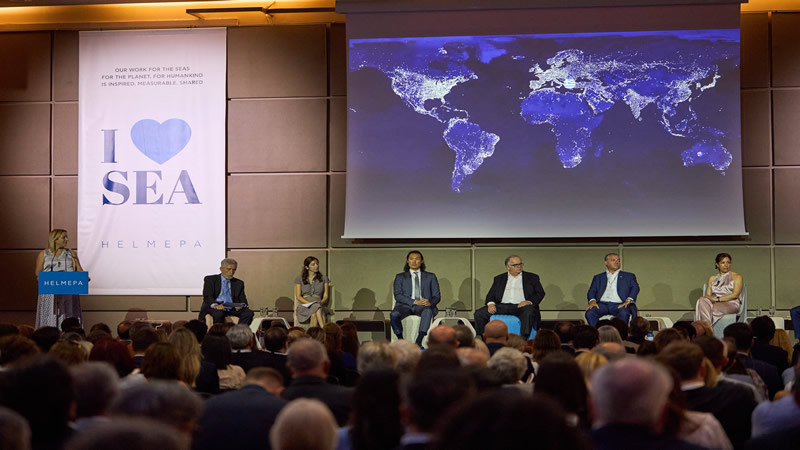
Prof. Dr. Soner Esmer stated that the transformation of the Turkish port sector over the past 100 years has positioned Türkiye as a regional logistics hub and a global port power.
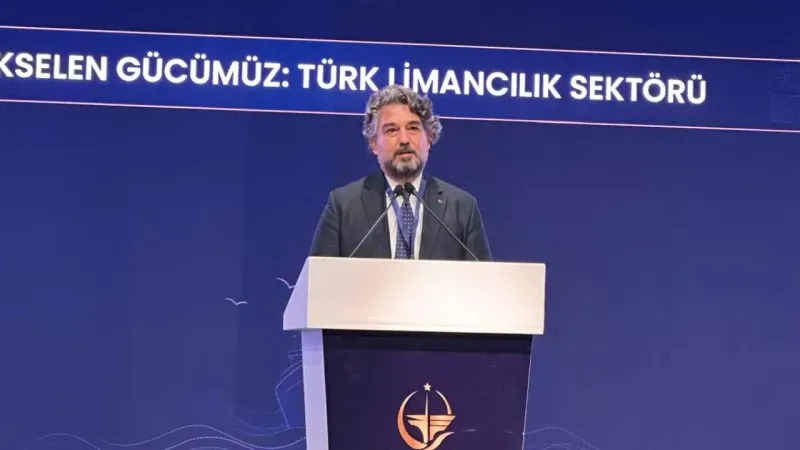

From the Early Years of the Republic to Global Port Operations
Recalling that approximately 36 million tonnes of cargo were handled at Turkish ports in 1913–1914, before the establishment of the Republic, Esmer noted that nearly half of this volume was handled at the Port of Istanbul. He stated that the Marmara Region continues to maintain its leading position in Turkish port operations today, adding that the sector has undergone a major transformation over the past century.
Esmer said that the Ports Law, the Cabotage Law, the Coastal Law, and regulations concerning port investments have played a critical role in the development of the sector. He also noted that, particularly since the 1990s, the private sector has become a major player in port operations.
The State Shifted from Operator to Regulator
Drawing attention to the fact that Türkiye’s port privatization model differs from the conventional privatization practices seen around the world, Esmer stated that a system has been implemented in which the public interest continues to be protected, and said:
“The State has shifted from being a direct operator to assuming a regulatory and supervisory role. This model has made it possible to benefit from the dynamism of the private sector while continuing to protect the public interest.”
Turkish Ports Grew Above the Global Average
Assessing the 2000–2025 period, Esmer stated that Türkiye’s port performance has grown well above the global average.
According to Clarksons data, while the volume of cargo in global seaborne trade has approximately doubled over the past 25 years, Türkiye’s port cargo volume has grown by approximately threefold, Esmer said, adding that Türkiye’s growth rate has exceeded that of many European countries.
Esmer stated that, in terms of cargo volume, Türkiye ranks second in Europe after the Netherlands, adding that if the current growth rate continues, Türkiye will become one of Europe's largest port countries in the coming years.
Strong Growth in Container Transport
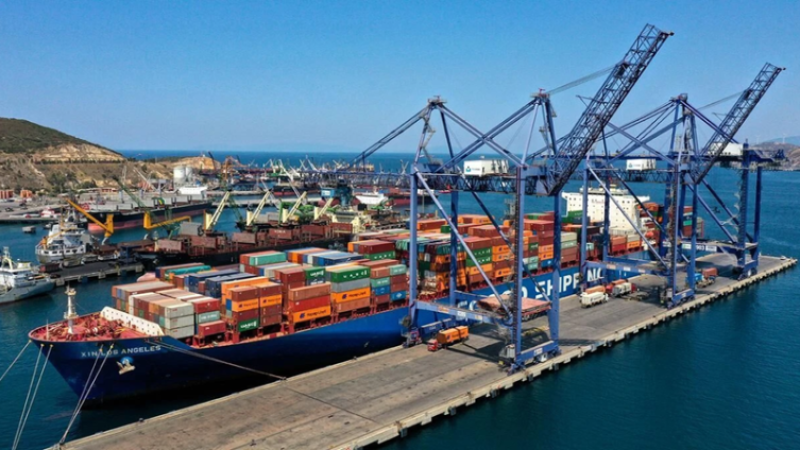
Esmer said that Türkiye has also achieved remarkable growth in container handling capacity, noting that over the past quarter century, the country's container volume has increased at nearly twice the global average.
Stating that Türkiye's annual container volume has reached 14 million TEU, Esmer emphasized that the growth in transit container transportation has particularly strengthened the sector's international competitiveness.
The Eastern Mediterranean Continues to Rise
In his presentation, Esmer also addressed regional developments, stating that the ports of the Eastern Mediterranean have recorded remarkable growth in recent years.
He said that the ports in and around İskenderun and Mersin have become strategic hubs for Türkiye's foreign trade, adding that cargo volume in the İskenderun Port Authority region has increased nearly sixfold over the past 25 years.
Emphasizing that the Eastern Mediterranean will become one of the most important logistics centers of the next century, Esmer noted that the region has great potential for both production and transit transportation.
Türkiye's Geopolitical Advantage Comes to the Fore
Esmer stated that Türkiye enjoys significant advantages in global logistics not only because of its port investments but also due to its geographical location, noting that the country lies at the intersection of the Asia–Europe maritime trade route and the North–South transport corridors.
He said that this strategic position has contributed to the growth of both domestic and transit cargo movements, pointing out that transit transportation has expanded significantly, particularly in recent years.
The New Century's Agenda: Geopolitics, Green Transformation and Logistics Corridors
At the end of his speech, Esmer listed the main issues that will shape the future of Turkish port operations, stating that in the new era the following will be decisive for Türkiye:
-
Geopolitical developments,
-
Green transformation,
-
The rising role of the Eastern Mediterranean,
-
Logistics connectivity,
-
The Middle Corridor,
-
The Development Road Project,
-
The Istanbul Northern Railway Crossing,
-
Hejaz Railway connections.
-
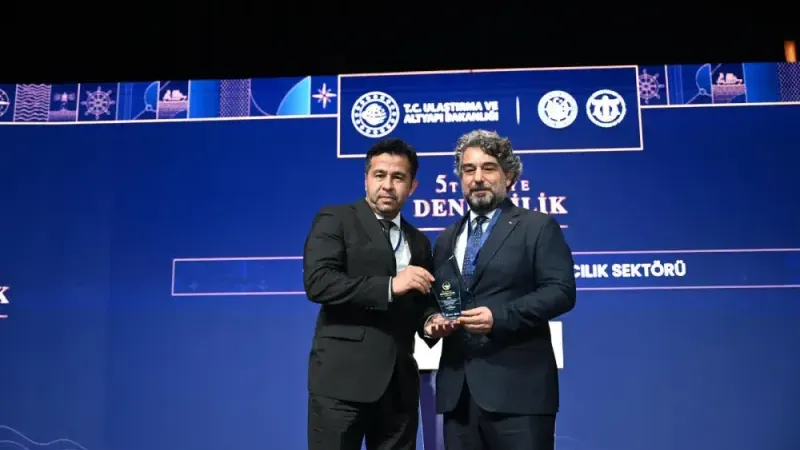
Concluding his speech by emphasizing the historical importance of the Cabotage Law, Esmer said:
"The journey that began in 1926 with the understanding that 'The coasts are ours' has today reached a new stage, with Türkiye becoming one of the world's leading port nations in global trade. Our ports are among the most important pillars of our foreign trade, national security, geostrategic strength, and the Blue Homeland vision."