
The 5th Türkiye Maritime Summit Concludes
The 5th Türkiye Maritime Summit officially concluded with an intensive second day of sessions focusing on strategic topics shaping the future of the maritime industry, ranging from the blue economy and global trade to port investments and legal regulation
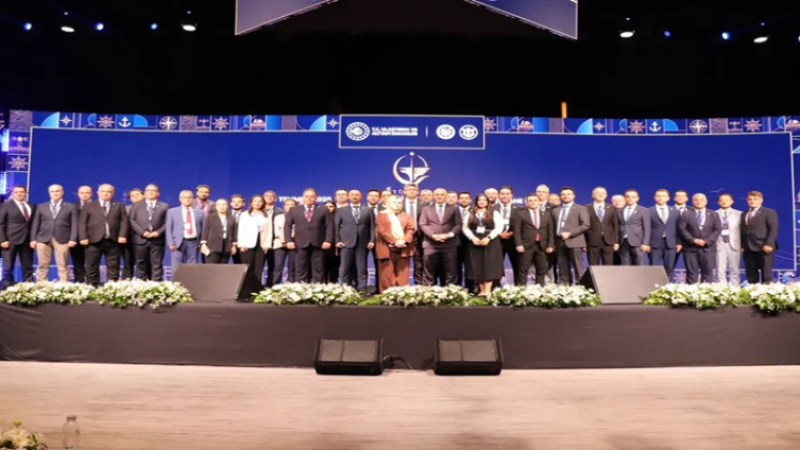

Under the coordination of the Ministry of Transport and Infrastructure, the 5th Türkiye Maritime Summit, organized by the General Directorate of Maritime Affairs with the support of the İMEAK Chamber of Shipping at Tersane Istanbul, concluded after an intensive programme on its second day. Opened yesterday as part of the 100th anniversary of the Cabotage Law's entry into force, the major event brought together discussions on a wide range of strategic topics on its final day, from the blue economy and the vision of international maritime authorities to global trade and the future of the port industry.
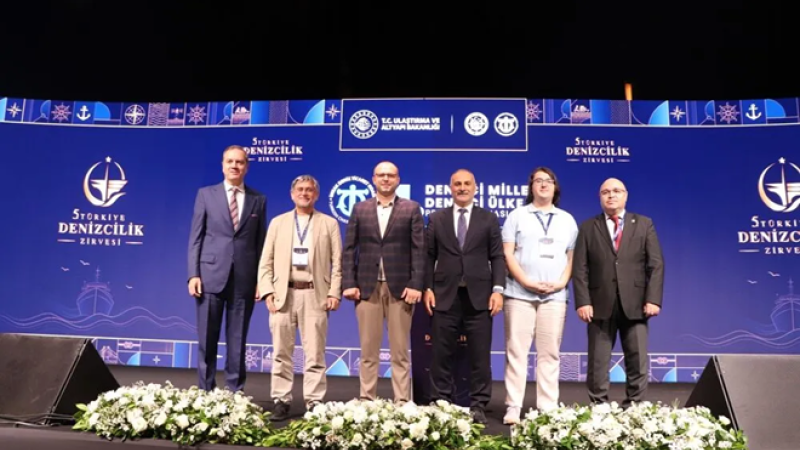
The second day of the summit concluded with a special session honouring individuals who have contributed to the maritime sector, following high-level panels attended by public officials and international representatives.
Deputy Ministers Discussed the Blue Economy
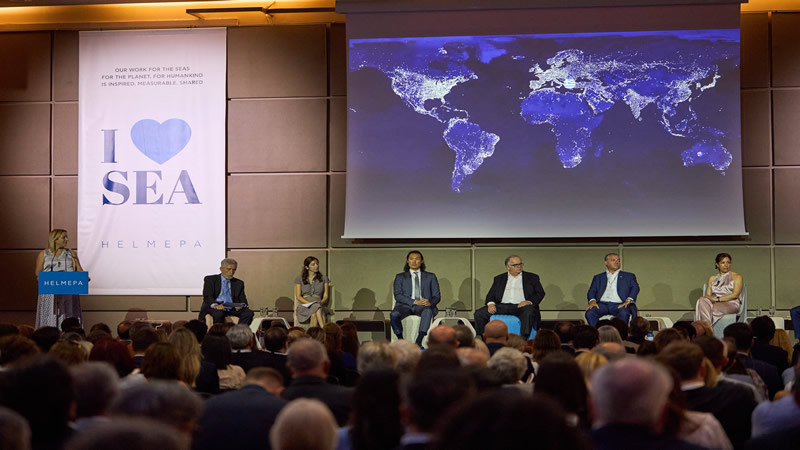
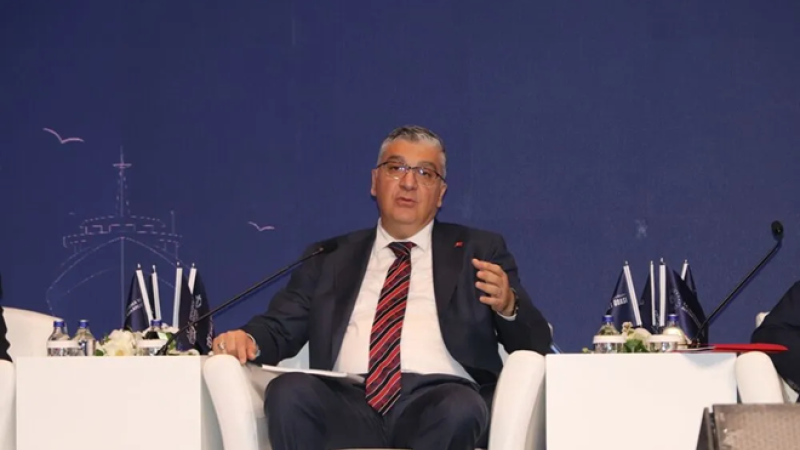
The day's first session was the Deputy Ministers' Session titled "Blue Economy and the Sustainable Future of the Seas," moderated by former Undersecretary Özkan Poyraz. Speakers included Deputy Minister of Transport and Infrastructure Durmuş Ünüvar, Deputy Minister of Foreign Affairs and Ambassador Mehmet Kemal Bozay, Deputy Minister of National Defence Musa Heybet, Deputy Minister of Agriculture and Forestry Ahmet Bağcı, and Deputy Minister of National Education Muhammet Bilal Macit. During this strategic session held at the deputy ministerial level, participants discussed Türkiye's rights and interests at sea, as well as policies on the environment, education, defence, and sustainability from multiple perspectives.
International Maritime Authorities Came Together
Another highlight of the summit was the "Maritime Authorities Session," which brought together maritime administrations from countries across the region. As part of the session, Deputy Chairman of the Board of the State Maritime and Port Agency of the Republic of Azerbaijan Eldar Majidov, Director of the Georgian Maritime Transport Agency Ivane Abashidze, and Director of the Department of State Policy for Maritime and Inland Water Transport of the Ministry of Transport of the Russian Federation Dr. Vitaly V. Klyuev delivered their presentations.
During the session, participants assessed the impacts of digitalisation, artificial intelligence, climate change, and geopolitical crises on global trade routes, emphasizing that maritime administrations have evolved beyond traditional regulatory bodies into strategic institutions. The session also recalled the non-transferable legal responsibilities of flag states and ship registration procedures under international maritime law, while draft proposals on the delegation of authority currently under discussion within the IMO were also examined.
China and India Were the Main Beneficiaries of the New Opportunities
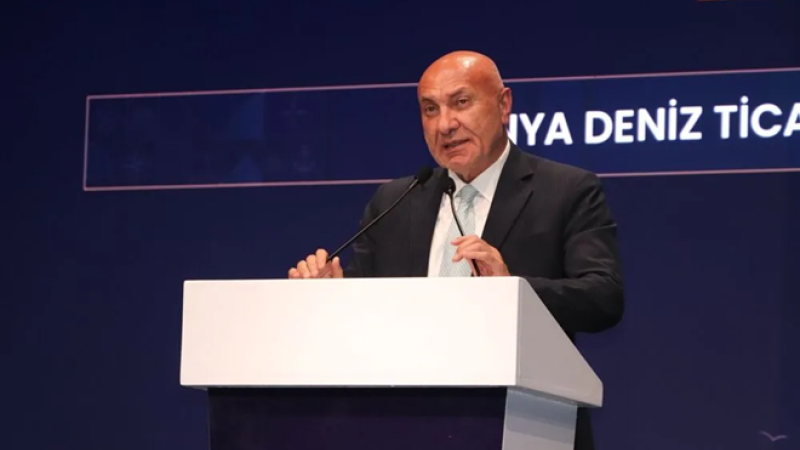
Yüksel Yıldırım, Chairman of the Board of CoreX and Yılport Holding, also delivered a presentation titled "Recent Developments in Global Maritime Trade" as part of the summit.
Yıldırım assessed the current state of the Turkish maritime sector against the backdrop of global geopolitical crises and sanctions. He stated that despite being located at the centre of the crises surrounding Türkiye, the country's shipowning sector has continued to grow, adding that Türkiye has now become the country with the world's 11th largest merchant fleet. Yıldırım said that although new opportunities had emerged as a result of sanctions on the Russian market, Türkiye had been able to benefit from them only to a limited extent due to political pressures, while China and India were the primary beneficiaries of this process.
Emphasising that the maritime industry is a vast ecosystem encompassing shipbuilding, logistics, port operations, and related sectors, Yıldırım stated that effective public-private sector cooperation is essential for Türkiye to achieve its maritime ambitions as a country surrounded by seas on three sides. He also pointed out that one of the biggest challenges facing the sector is access to financing, stressing that the cost economy must be managed properly and that the sector has gradually begun to lose its competitiveness.
The State Has Shifted from Being an Operator to Becoming a Regulator and Supervisor
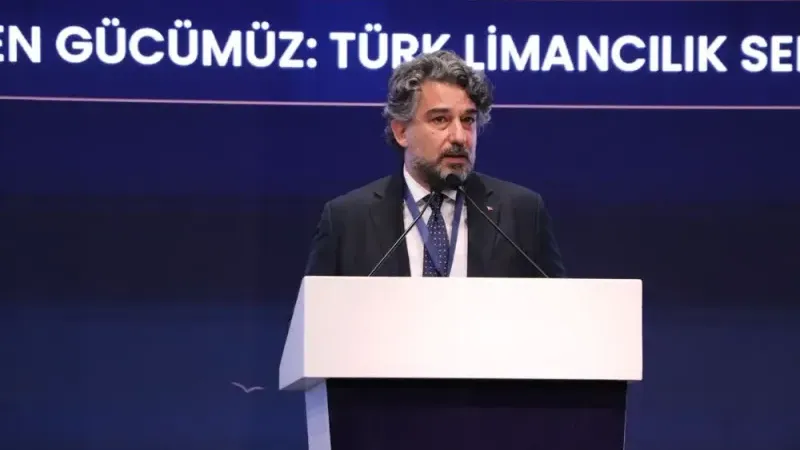
Following Yıldırım, Prof. Dr. Soner Esmer, a faculty member at Piri Reis University, delivered a presentation titled "Our Rising Strength: The Turkish Port Sector."
Prof. Dr. Esmer stated that, according to Clarksons data, while global seaborne trade cargo volume has nearly doubled over the past 25 years, Türkiye's port cargo volume has grown by approximately three times, adding that the country's annual container throughput has reached 14 million TEU. Esmer noted that the state has now shifted from being a direct operator to assuming a regulatory and supervisory role, emphasizing that this model both safeguards the public interest and enables the dynamism of the private sector to be utilized. At the end of his presentation, Esmer addressed the agenda of the new century, stating that geopolitical developments, the green transition, the Middle Corridor, the Development Road Project, and the Istanbul Northern Railway Crossing would be decisive projects for Türkiye.
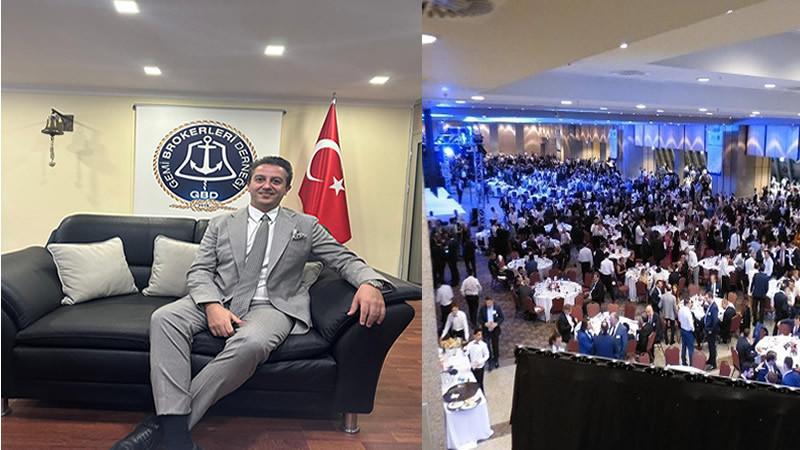
The 5th Türkiye Maritime Summit, which lasted for two days, concluded with the "Tribute to Maritime Veterans" session, bringing together distinguished figures who have devoted many years of service to the maritime sector and contributed to the development of Turkish maritime industry.