



Container shipping shifts toward regional ports
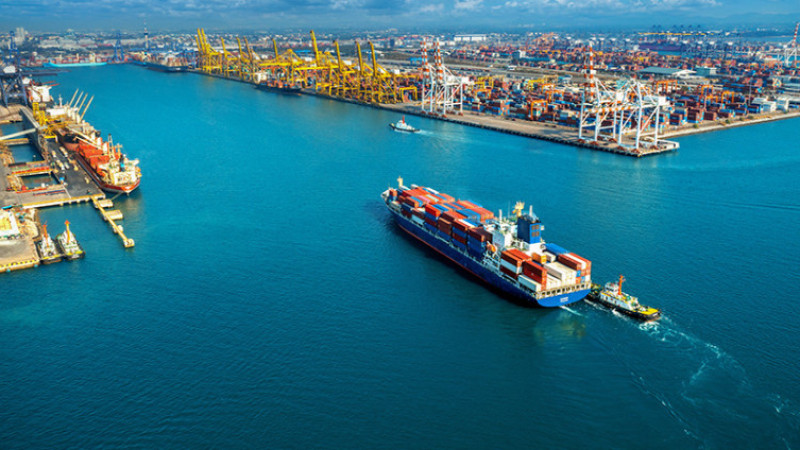
Global container shipping is moving away from mega transshipment hubs as carriers increasingly reroute cargo through regional ports closer to production centres.

The long-standing “hub-and-spoke” model in container shipping is gradually weakening. Shipping companies are reshaping their service networks due to recent geopolitical developments and restructuring in supply chains.
Carriers now prefer to transport cargo through smaller ports closer to production regions instead of focusing on large transshipment centres such as Singapore, Port Klang, and Tanjung Pelepas.
Among the most important reasons for this change are increasing route security, shortening transit times, and providing greater flexibility in supply chains.
In Asia, ports in Vietnam, Thailand, and India are coming to the forefront, while these regions have begun to receive more direct services with the shift of manufacturing activities outside China. Vietnam is considered one of the countries benefiting the most from the “China+1” strategy.
In the Middle East, security risks in the Red Sea have led to the reorganisation of shipping routes. This situation has caused some alternative ports to be used more and increased regional diversity in the network structure.
According to industry experts, this transformation is no longer a temporary crisis response and is becoming a permanent strategic orientation. With decreasing dependence on major hubs, a more distributed and resilient global transport network is being formed.
Experts also state that future maritime transport will be shaped not only by economies of scale but also by speed, flexibility, and risk management capability.