
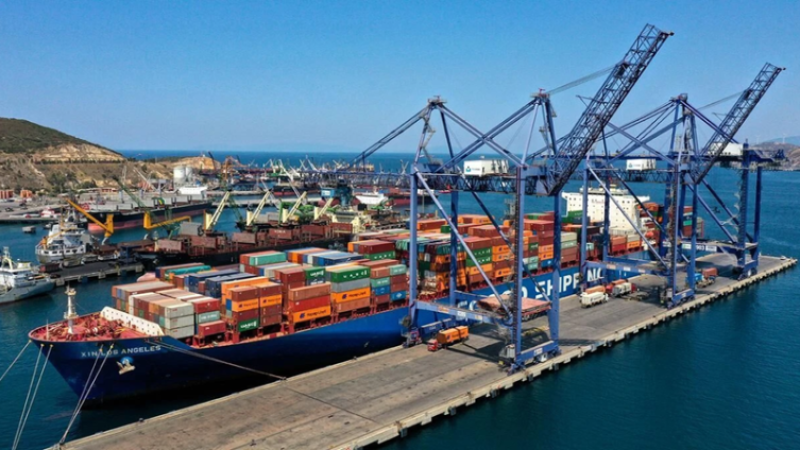

Global LNG demand expected to increase by 65% by 2050
According to Shell’s 2026 LNG Outlook report, global LNG demand is expected to rise by 65% by 2050, driven by data centers and the clean energy transition in Asia.
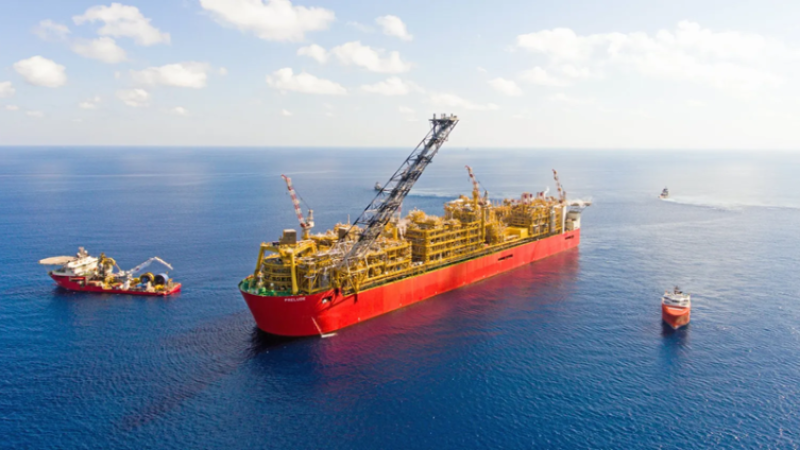

Energy giant Shell has published its annual "2026 LNG Outlook" report, highlighting the future of the global liquefied natural gas (LNG) sector. According to the report, the shift from coal to lower-emission energy sources and the rapidly growing power demand from data centers are expected to increase global LNG demand by approximately 65% by 2050. Shell, the world's largest LNG trader, forecasts that annual global LNG demand will reach 700 million metric tonnes by then.
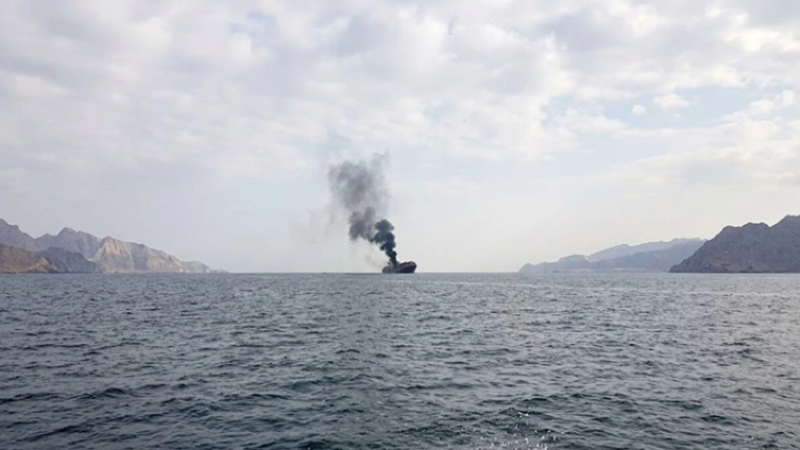
Global LNG trade totaled 422 million tonnes in 2025 and was expected to continue growing in 2026. However, escalating tensions in the Middle East and the conflict involving the United States, Israel, and Iran disrupted maritime traffic through the Strait of Hormuz. As a result, around 20% of the world's monthly LNG supply was temporarily affected. With reports of damage to Qatar's export facilities and delays to new projects, analysts expect global LNG trade to recover to 2025 levels only if shipping through the Strait of Hormuz returns to normal during the summer, while further market growth is now projected to be delayed until 2027.
Despite the geopolitical disruption, the LNG market has shown significantly greater resilience than during previous crises. Commenting on market conditions, Shell Integrated Gas President Cederic Cremers said:
"The conflict created a system-wide shock with disruptions spreading across all segments of the economy, but the LNG industry has proven its resilience and its ability to adapt to changing market conditions."
The market's resilience has been supported by the commissioning of new liquefaction facilities in North America, upgrades to existing infrastructure, and the shift of price-sensitive buyers in South Asia toward alternative fuels or coal. According to Kpler data, Asia's LNG imports fell 4% in the first half of 2026 to 127.7 million tonnes, largely due to higher prices. Although spot LNG prices climbed above $20/mmBtu during the peak of the crisis, they have since fallen to $15.35/mmBtu, their lowest level in four months, amid improving expectations for regional stability.
The report projects that 180 million tonnes per year of additional LNG supply will enter the market by 2030. By 2050, South and Southeast Asia are expected to account for 40% of global LNG imports. In mature markets such as Japan, expanding data center capacity is forecast to create a new source of gas demand, while in Europe, LNG is expected to remain a cornerstone of energy security and an essential complement to renewable energy as domestic gas production continues to decline.
To meet the significant increase in demand expected during the 2030s and 2040s, Shell said that, beyond the projects already under construction, new export projects and infrastructure investments totaling 200 million tonnes of annual capacity will be required.
Highlighting the critical role of investment in the sector's future, Cremers concluded the report with a message on the global energy system:
"While more investment is needed in both supply and demand infrastructure, the long-term outlook remains strong, and LNG will continue to serve as a balancing force in the global energy system."