



Russia’s Vostok Oil Project Falls Behind Production Targets
Despite new pipelines and an export terminal, Russia’s Arctic Vostok Oil project faces production delays, rising costs and tanker shortages, putting its ambitious 2030 output target at risk.
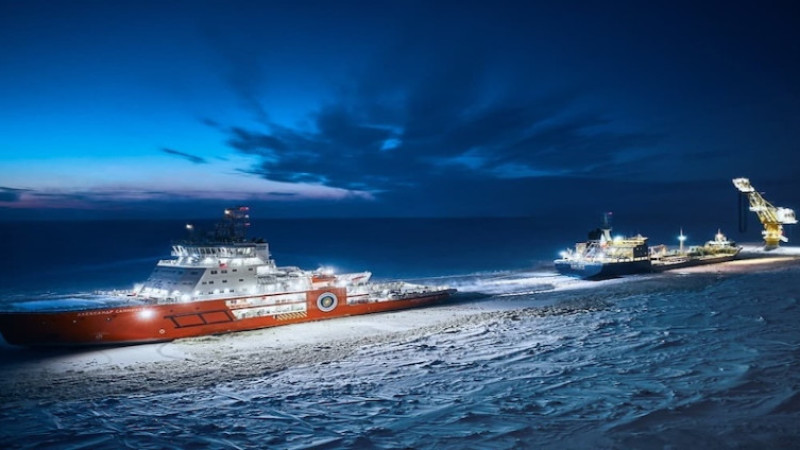

Russia’s Vostok Oil project, developed to establish a new oil production hub in the Arctic, has yet to meet its production targets despite the commissioning of pipelines and a new export terminal. Most of the crude oil transported through the terminal comes from long-established fields. The contribution of the new Payakha fields is reportedly less than 5% of total flows ahead of the terminal’s opening.
Satellite imagery shows that work is continuing in the region, while increasing production from the new fields will require additional investment and lengthy development work. The project was intended to significantly increase Russia’s oil production by 2030.
Attacks on Refineries Increase Pressure
Ukraine’s drone attacks on Russian oil refineries are negatively affecting the country’s fuel production and export capacity. Some facilities have suspended operations, while others are operating at reduced capacity. The attacks have also led to restrictions on gasoline, diesel and jet fuel exports.
Repairs to damaged facilities have become more complicated due to Western sanctions. Difficulties in sourcing spare parts and equipment are pushing companies towards domestic production and products from China. However, longer supply times and compatibility issues are increasing repair costs.
Production Targets Fall Behind
The company continues to face financial pressure. Its net profit fell by approximately 20% to 200 billion rubles in the first half of 2026, while its net debt-to-operating profit ratio reached its highest level in more than five years at the end of June.
According to estimates from energy consultancies, Vostok Oil’s daily production could reach approximately 310,000 barrels in 2027 and 440,000 barrels in 2030. These figures remain below the previously announced target of 1 million barrels per day. In addition, most of the project’s production is expected to come from older fields in 2030.
Tanker Demand for Arctic Transportation
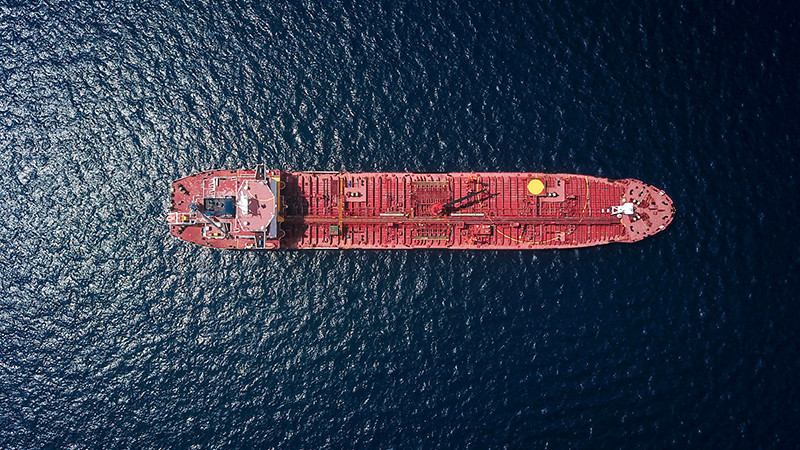
Another obstacle facing the project is the availability of specialised tankers capable of operating in the Arctic’s harsh conditions. Sanctions are making it more difficult to build vessels capable of navigating icy waters. Estimates suggest that at least 30 specialised tankers may be required by 2030 to transport the planned production volumes.
At the terminal’s opening, it was announced that 30 million tonnes of crude oil could be shipped from the second half of 2027. However, this volume had originally been planned to be reached two years earlier. Production delays, rising costs and transportation challenges are making Russia’s goal of transforming the Arctic into a major oil export hub increasingly difficult to achieve.