


LNG Crew Refuses Hormuz Transit Despite High-Risk Pay Offers
Stranded off Pakistan for weeks, a 314-metre LNG carrier cannot transit the Strait of Hormuz as its 34 crew members refuse to risk potential attacks.
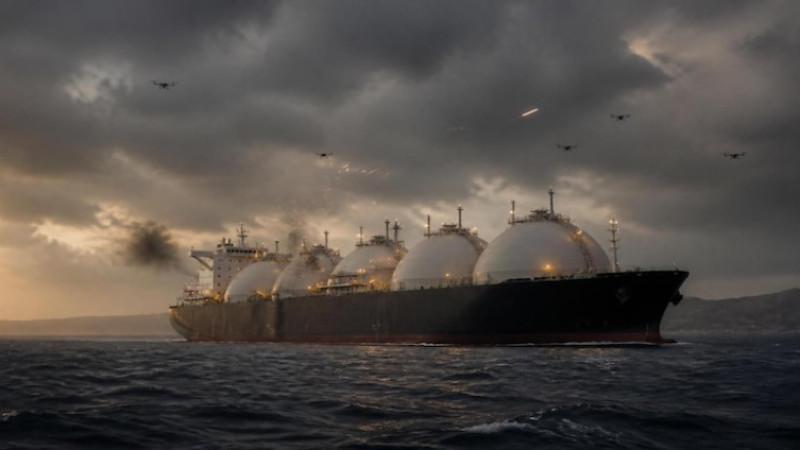

A 314-metre-long LNG carrier flying the Bahamian flag and owned by a United Arab Emirates-based entity has been drifting off the coast of Pakistan for weeks, unable to transit the Strait of Hormuz due to security risks. The vessel’s 34 crew members are unwilling to risk potential attacks by passing through the strait, despite the shipowners’ request.
The crew’s refusal to approve the transit has reignited debate within the maritime industry over safety and working conditions on voyages through war zones. While seafarers have the right to refuse to sail into areas where they face war-related risks, some companies are offering substantial additional payments to personnel who agree to make the passage.
High-Risk Bonuses Offered for Hormuz Transit
Captains aboard vessels agreeing to transit the Strait of Hormuz are reportedly being offered monthly payments of up to $100,000, alongside risk bonuses reaching $50,000. Salaries for other crew members are said to have risen to between four and six times their normal levels.
Additional payments of up to $10,000 are reportedly being offered to personnel aboard some vessels, with the amounts varying according to job responsibilities and base salaries. This situation has also sparked debate over pay disparities among crew members exposed to the same dangers.
Vessel Traffic in the Strait Falls by More Than 90%
Maritime traffic through the Strait of Hormuz, a critical artery for global energy trade, has dropped sharply since the outbreak of the war in the region. Before the conflict, more than 125 vessels passed through the strait each day. Traffic has since fallen to fewer than 10 to 12 vessels daily.
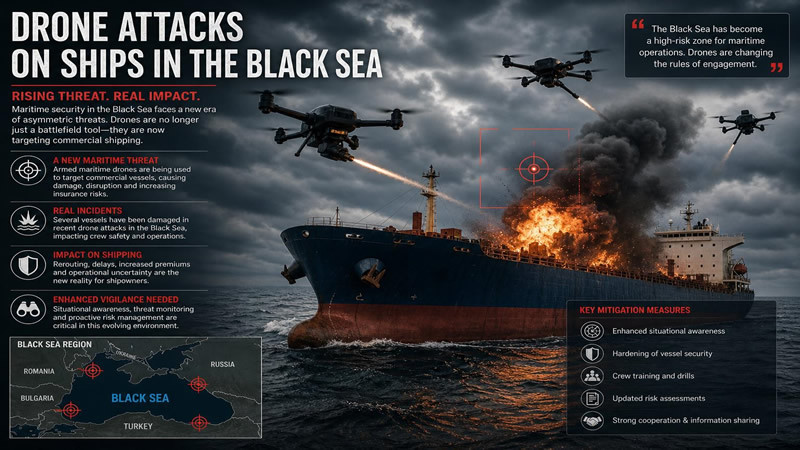
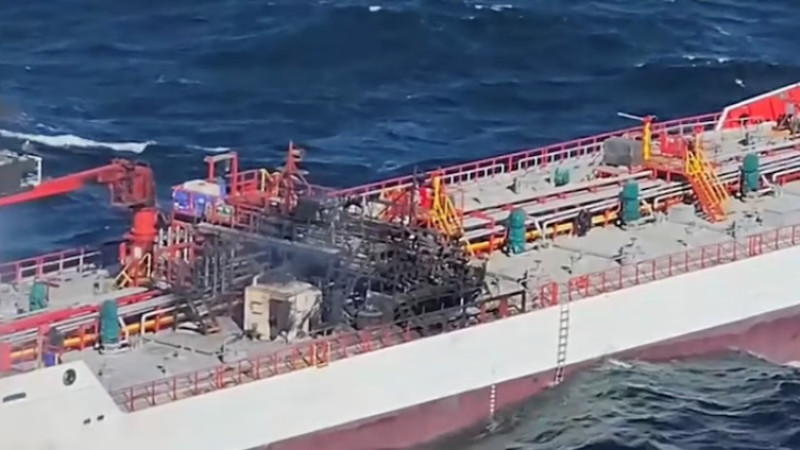
Drone attacks, naval mines and attacks involving unidentified munitions are increasing risks for commercial shipping. Incidents involving fires, sinkings and power outages aboard tankers and LNG carriers have further heightened security concerns.
Some vessels are reportedly switching off their Automatic Identification System (AIS) transponders to avoid detection during transit, extinguishing their navigation lights at night and disabling radio equipment.
The growing threat of attacks in the region is directly affecting seafarer safety and shipowners’ decisions about whether to proceed with voyages. Although high-risk bonuses have emerged as a way to encourage transits, crew members’ safety concerns remain a major obstacle to maritime operations in the Strait of Hormuz.