


Black Sea Ship Attacks Strain Türkiye-Russia Relations
Attacks on commercial vessels linked to Turkish companies in the Black Sea are raising concerns over maritime security.
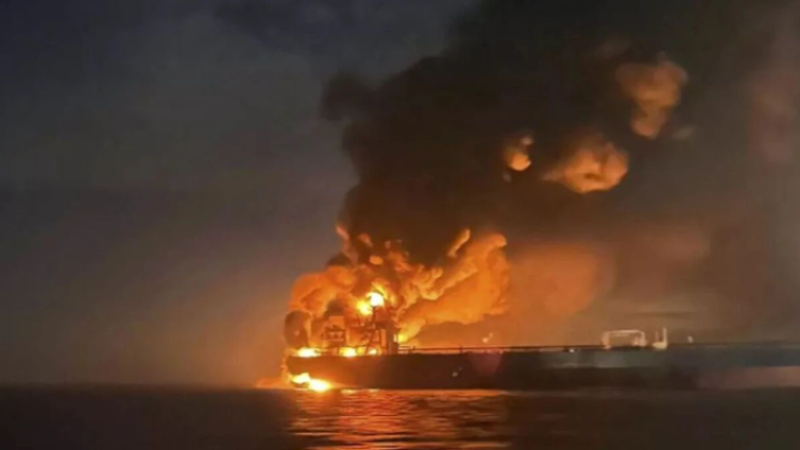

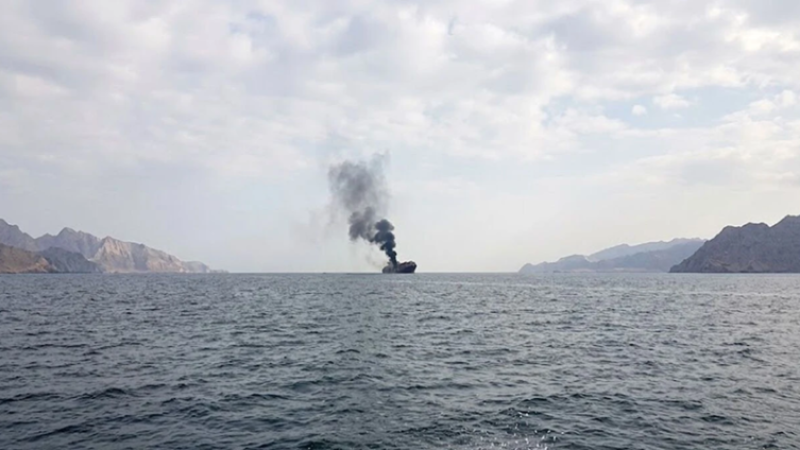
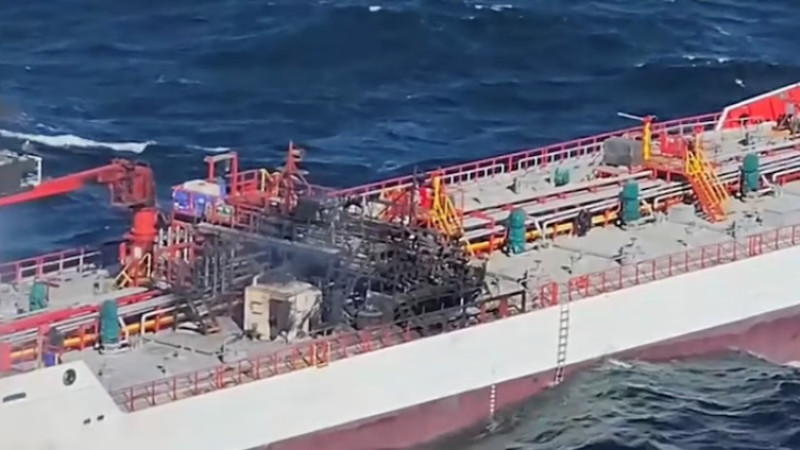
Commercial shipping attacks in the Black Sea intensified in October. On October 5, the Royad-Mammadov, reportedly owned by a Turkish company, sank following a fire while carrying corn from Ukraine’s Izmail Port to Italy. Two crew members died, while 11 others were rescued.
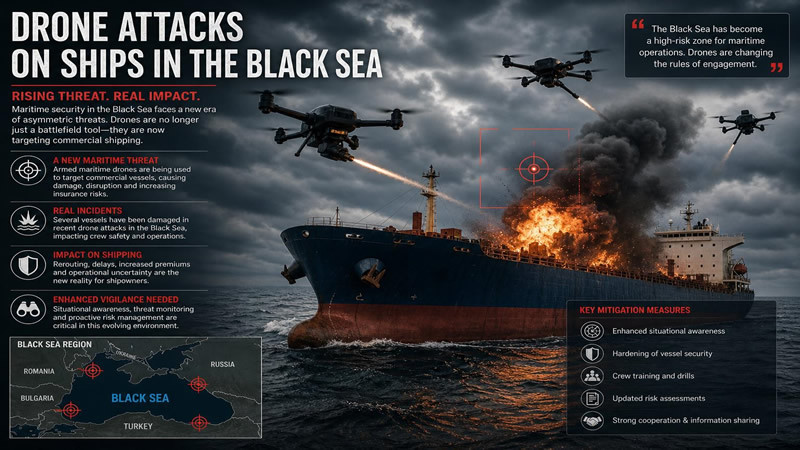
On the night of October 12–13, the Azov-Concord, operated by Istanbul-based Sarfo Denizcilik, sank, and five crew members were rescued. During the same period, other commercial vessels were also affected by drone attacks off the coast of Bulgaria.
Ukraine blamed Russia for the attacks, while some European officials also said they suspected Moscow. However, no evidence has conclusively established responsibility for the attacks.
In a statement on October 8, Foreign Minister Hakan Fidan noted that Russia and Ukraine were intensifying their military operations ahead of winter, stressing that the Black Sea must not become a new front in the conflict. President Recep Tayyip Erdoğan also raised the importance of navigational safety during his meeting with Russian President Vladimir Putin on October 7.
Developments in the region are also significant for energy security. The Blue Stream and TurkStream pipelines, which carry natural gas between Türkiye and Russia, run beneath the Black Sea. Rising security risks in maritime transport once again highlight the region’s commercial and strategic importance.