



Russia Proposes 40-Year Age Limit for Foreign-Flagged Ships
Russia has opened a draft regulation for public consultation that would ban foreign-flagged vessels over 40 years old from entering its ports. A separate 50-year age limit is proposed for Russian-flagged ships.
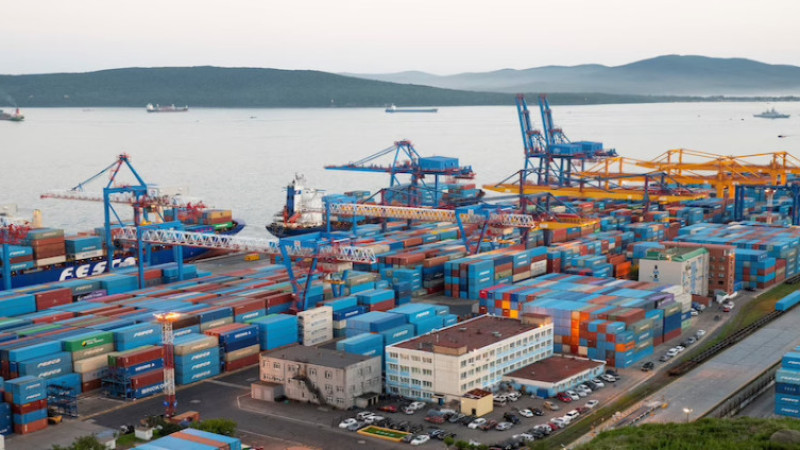

Russia has opened a draft regulation for public consultation that would ban foreign-flagged vessels over 40 years old from entering its ports, as it tightens oversight of the fleet carrying its seaborne trade.
Under the draft legislation published by the Ministry of Transport, a separate age limit of 50 years is proposed for Russian-flagged vessels. Transit regulations for Russian-flagged ships are expected to be applied based on the validity period of their classification certificates.
Foreign-flagged vessels over 30 years old will also be subject to annual inspections to verify their compliance with safety and environmental requirements. The necessary certificates will be issued by the Russian Maritime Register of Shipping.
Under the proposed rules, vessels will be assessed on the basis of their inspection and repair records, technical condition and insurance coverage. Contracts for cargo transportation will also be required to specify that vessels meeting the relevant requirements will be used. Companies operating maritime terminals will be given additional responsibilities to ensure that vessels comply with these requirements.
If approved, the regulation will enter into force 180 days after its official publication.
The move represents progress in an initiative that Moscow has been working on for more than a year. In July, the Ministry of Transport announced its proposal to impose a 40-year age limit on foreign vessels, alongside plans to tighten inspections of ageing Russian-flagged tonnage.
However, the government faces a significant challenge in renewing its fleet. Deputy Transport Minister Alexander Poshivay said last month that the restrictions would not come into force until the country was confident it could secure replacement vessels. Poshivay also acknowledged that domestic shipyards face constraints in terms of capacity, pricing and construction times.