


EU Maintains Opposition to Russian Gas Return
The EU’s plan to phase out Russian gas imports casts uncertainty over Nord Stream’s future and Europe’s LNG trade.
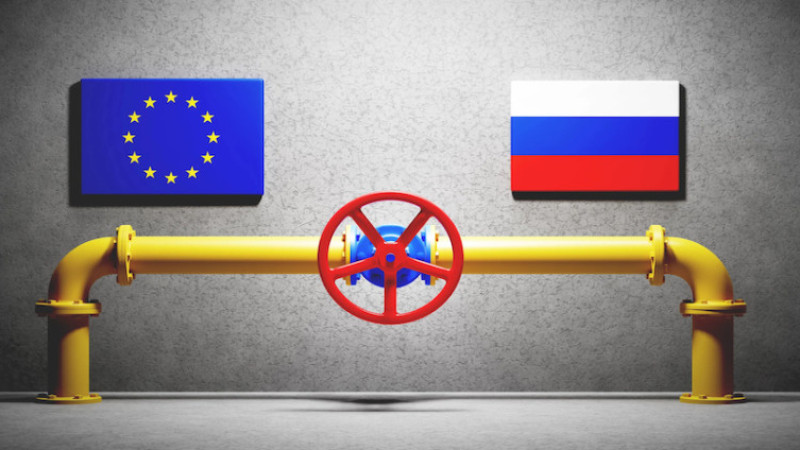

The European Union maintains its opposition to the return of Russian gas to the European market following the end of the war in Ukraine. While reports have emerged that the United States and Russia are discussing the possibility of resuming gas supplies through Nord Stream, the EU’s policy of gradually phasing out Russian gas imports continues to shape the future of energy trade.
Nord Stream, which connects Germany and Russia beneath the Baltic Sea, has become one of the symbols of Europe’s dependence on Russian energy. One of the pipelines has remained unusable following the explosions in 2022, while the other never entered commercial operation due to a lack of the necessary operating approval.
Europe’s policy of moving away from Russian gas will affect not only the future of the pipeline but also the direction of LNG trade and the long-term outlook for maritime energy transportation.
Russia’s Return to the European Gas Market Remains Uncertain
The EU’s decision to gradually phase out Russian gas imports is not dependent on the end of the war in Ukraine. The bloc aims to terminate imports of both pipeline gas and liquefied natural gas (LNG) according to a defined timetable. Therefore, a potential peace agreement or new commercial arrangement would not automatically pave the way for Russian gas to return to the European market.
The possibility of Nord Stream resuming operations is significant not only for energy markets but also for maritime transportation. The resumption of pipeline gas deliveries could affect Europe’s LNG import demand and the trading routes used by liquefied natural gas carriers. However, any such development will depend on how political decisions and existing regulations evolve.
Alternative Suppliers Gain Ground in LNG Transportation
Following Russia’s invasion of Ukraine, European countries turned to different suppliers to diversify their energy sources. The increase in LNG imports from the United States, in particular, has strengthened the importance of gas transportation across the Atlantic.
This shift in LNG trade also has implications for demand for LNG carriers, freight markets and long-term supply agreements. If Russian gas returns to Europe, competition between pipeline gas and LNG transported by sea could be reshaped. Conversely, the continuation of import restrictions could sustain Europe’s reliance on alternative suppliers and LNG logistics.
Supporters of reopening Nord Stream argue that Russian gas could help reduce energy costs for European industry and consumers. However, several EU member states maintain that renewed dependence on Russian energy could create significant security risks.