



Risks to Commercial Shipping Grow in the Black Sea
Attacks are disrupting shipping and grain exports in the Black Sea, while war-risk insurance costs continue to rise. Growing security threats are adding pressure to global supply chains.
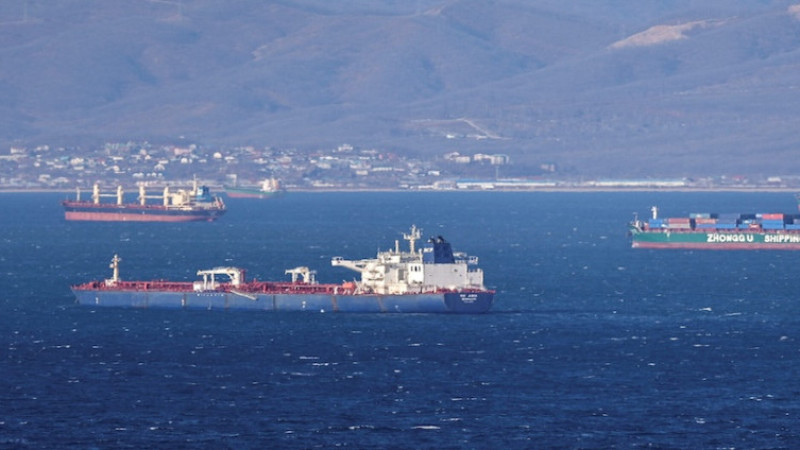

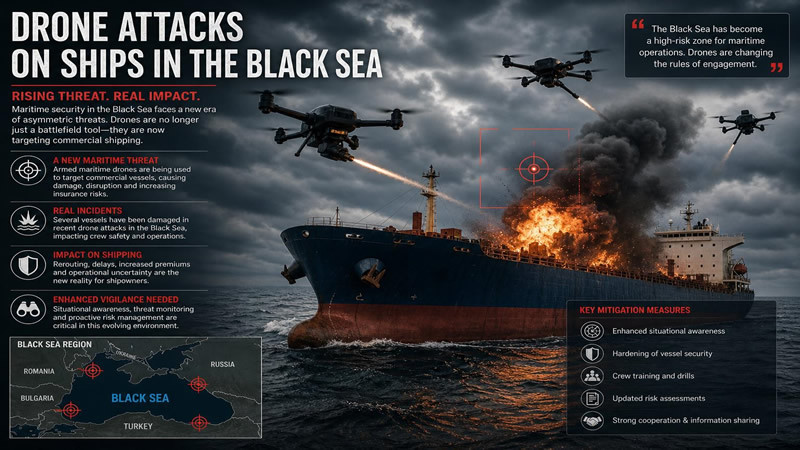
The Russia-Ukraine war is making commercial shipping in the Black Sea increasingly dangerous. Attacks involving unmanned aerial vehicles, missiles and unmanned surface vessels are threatening not only port facilities but also cargo ships and tankers operating offshore. More than 570 vessels have reportedly been affected by attacks since the beginning of 2026, with at least 40 seafarers killed.
The threat is no longer confined to waters close to the coastlines of the two warring countries. Maritime risk assessments indicate that attacks on commercial vessels have increased beyond areas previously designated as high risk. This has prompted shipowners to reconsider voyage plans and raised concerns about the wider security of maritime operations across the basin.
Port Operations and Grain Exports Under Pressure
Disruptions at Ukraine’s main export gateways are having a direct impact on commercial vessel traffic. The Greater Odesa ports handled approximately 400 vessels in July, but the number fell to fewer than 10 in September, highlighting the scale of the operational downturn.
Attacks are also affecting Russia’s grain exports. Restrictions on shipments through the Sea of Azov, combined with security threats at Black Sea ports, have led some export terminals to limit grain deliveries. Efforts to redirect cargo through alternative routes are increasing reliance on rail and road transport, placing additional pressure on logistics capacity.
Ukraine exported approximately 1.4 million tonnes of agricultural products in August, illustrating how maritime disruptions are affecting supply chains. Prolonged interruptions to Black Sea shipments could increase price volatility and supply uncertainty, particularly for countries dependent on imported grain.
War-Risk Insurance and Freight Costs Rise
The deteriorating security situation is also affecting the marine insurance market. The expansion of the area subject to war-risk reporting requirements to cover most of the Black Sea is adding to the costs faced by shipowners and cargo interests.
War-risk premiums have reportedly reached as much as 15% of a vessel’s hull value on certain voyages. This rate does not apply to every ship or voyage, as premiums vary according to the route, vessel type, cargo and prevailing security assessments. Higher insurance costs, combined with rising freight rates, are making alternative ports and longer shipping routes more expensive, particularly for grain traders.
Seafarer Safety and Regional Security in Focus
Attacks on commercial vessels in ports, at anchor and offshore have placed crew safety at the centre of maritime concerns. International maritime organisations continue to call for an end to attacks on civilian shipping and stronger protection for seafarers.
As incidents spread across different parts of the Black Sea, surveillance and maritime security measures by coastal states are becoming increasingly important. However, the absence of a lasting agreement to protect commercial shipping means uncertainty is likely to remain a key factor in shipowners’ risk assessments.
The latest developments show that the consequences of the war extend well beyond military targets. Port operations, grain and energy shipments, insurance costs and crew safety have become interconnected elements of the same risk chain, with each new attack adding further pressure to international maritime trade.