
The Seas Are Not an Area of Competition but of Shared Prosperity
Türkiye and Greece can turn their complementary maritime sectors into new business opportunities and stronger economic ties.

You host a reception for Turkish maritime professionals before every Posidonia exhibition. What does it mean to you to represent Türkiye at such international events and to host our maritime community?
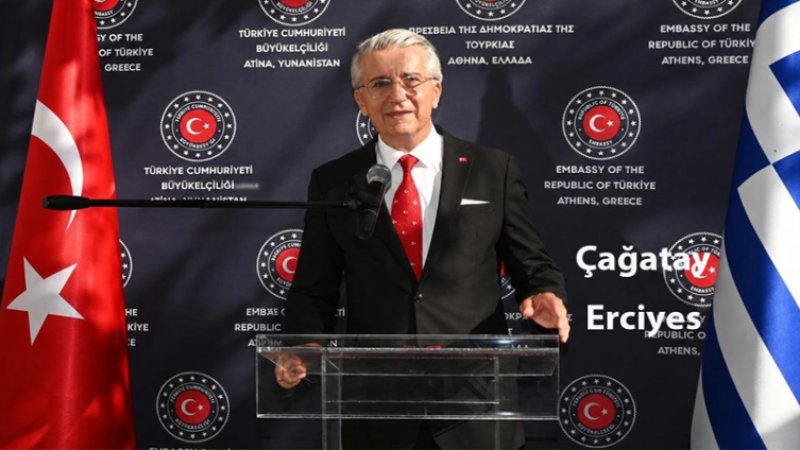
It is extremely important that our businesspeople who successfully represent our country in different parts of the world feel the diplomatic support of Türkiye alongside them. With this understanding, during every Posidonia exhibition, we are very pleased to host at our Embassy, particularly representatives of the Turkish maritime industry, as well as Greek authorities and prominent figures from the international maritime community.
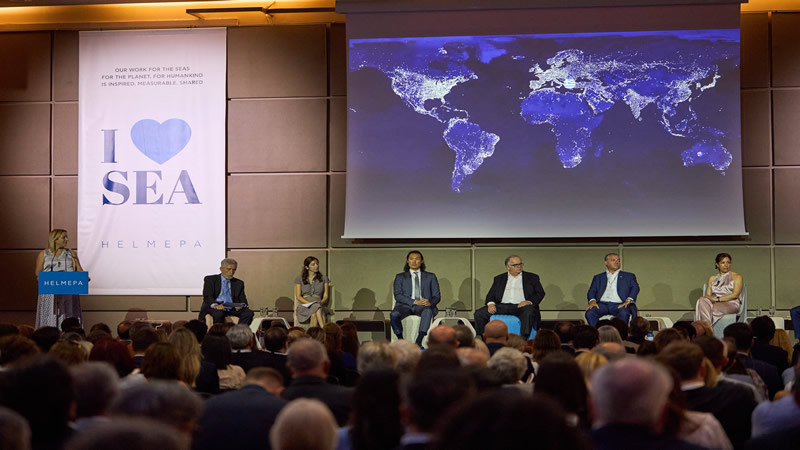
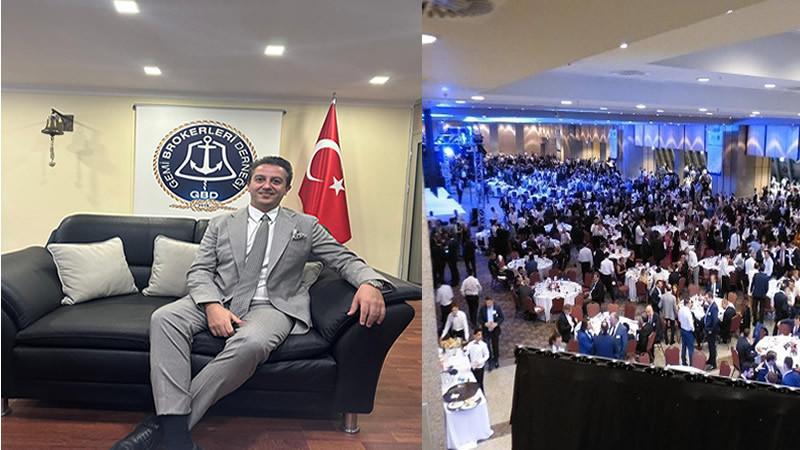
This year, on 2 June, we held a comprehensive reception with the contribution of the Istanbul and Marmara, Aegean, Mediterranean and Black Sea Regions Chamber of Shipping (IMEAK DTO) and the Turkish Shipbuilders’ Association (GİSBİR), with approximately 300 guests in attendance. We regard this gathering not merely as an event bringing together industry representatives, but also as an important economic diplomacy initiative showcasing Türkiye’s maritime expertise, shipbuilding capacity and vision on the international stage. Bringing together the Turkish and Greek maritime industries, as well as international stakeholders, our reception contributed to the evaluation of new cooperation opportunities and the strengthening of existing relations.
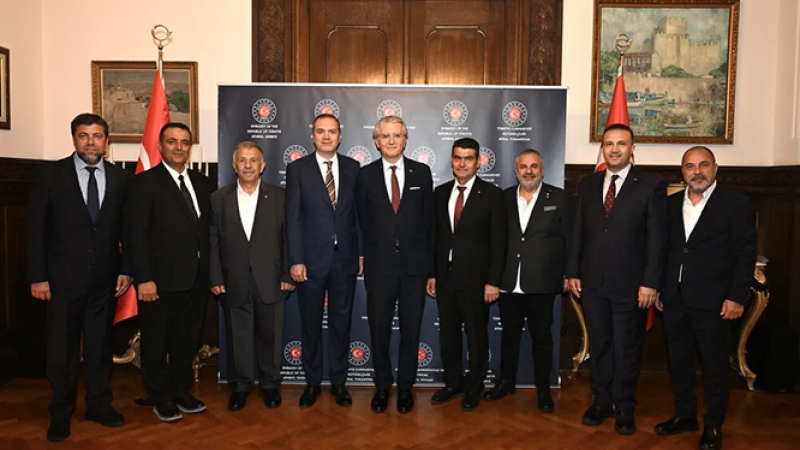
Today, Türkiye is among the world’s leading countries in maritime affairs, particularly in the shipbuilding industry. Such events are important platforms that highlight our country’s strong position in global maritime trade, its competitiveness and the strategic role it plays in international shipping.
At the same time, in line with the shared vision put forward by our President and the Prime Minister of Greece, the aim is to further develop economic relations between the two countries and reach a bilateral trade volume of USD 10 billion. The maritime industry is one of the sectors that can contribute most significantly to achieving this target. New partnerships and business cooperation established and developed by our business community will make an important contribution to increasing bilateral trade and deepening economic relations. As the Embassy, we are pleased to support this process.
As the great leader Mustafa Kemal Atatürk stated, “Maritime affairs are the great national ideal of the Turk.” With this understanding, we will continue to support the achievements of Turkish maritime professionals internationally and enhance the visibility of the Turkish maritime industry.
How do you assess the points where diplomacy and the maritime industry intersect? In areas such as maritime transport, energy security, the environment and sustainability, how do you think the growing need for international cooperation can play a role in relations between countries?
Maritime affairs are among the most strategic areas of international relations. Their importance does not stem solely from trade; they also directly concern the sovereign rights of states, global security, energy supply and environmental responsibilities. Today, the maritime sector constitutes a global ecosystem in which trade, energy security, the environment and sustainability are closely interconnected.
At a time when wars and geopolitical tensions are increasing in our region, the security of maritime trade routes, international cooperation and diplomacy are among the most important items on the international agenda. Considering that more than 80% of global trade is carried by sea, the uninterrupted operation of maritime transport is vital not only for economic prosperity but also for global stability. The fact that strategic energy resources such as oil, natural gas and LNG are largely transported by sea also makes the security of energy corridors an indispensable element of international diplomacy.
Maritime affairs are also inherently based on international rules and a culture of joint action. Decisions concerning the seas often have impacts that extend beyond national borders. For example, inadequate environmental standards at one port can result in pollution reaching the shores of other countries. As in the case of the Strait of Hormuz, the closure of a strategic strait can disrupt global supply chains, increase energy costs and directly affect the prices of essential consumer goods. Therefore, the consequences of decisions in the maritime sector extend beyond the industry itself, affecting people’s daily lives and the global economy.
Within this framework, ensuring the security of trade, the continuity of energy supplies, the protection of the marine environment and the achievement of sustainable development goals require strong cooperation among states, international organizations and the private sector.
In addition, the humanitarian dimension of maritime affairs should not be overlooked. Even where neighboring countries have political or legal differences, the uninterrupted operation of search and rescue activities and mechanisms ensuring the safety of life, property, navigation and the marine environment at sea is a shared responsibility. Cooperation at sea is not only a means of strengthening diplomatic relations, but also a universal necessity for protecting human life.
In terms of maritime affairs and economic cooperation, what opportunities did this exhibition offer for Türkiye-Greece relations?
Posidonia is one of the world’s most prestigious maritime exhibitions, held biennially in Athens. It is a major meeting point for the global maritime industry, particularly with the strong participation of Greek shipowners. This year, the exhibition hosted 2,227 exhibiting companies from 83 countries and more than 32,500 visitors from 140 countries.
In this respect, Posidonia is more than a commercial exhibition; it is a strategic platform that promotes maritime and economic cooperation between Türkiye and Greece. The geographical proximity of the two countries and the complementary nature of their respective maritime industries create significant potential for cooperation. A total of 76 Turkish companies operating in shipbuilding and ship repair, marine equipment, machinery, marine coatings, port services and other maritime subsectors participated in the exhibition, providing them with opportunities to establish new business connections and strengthen existing relations with Greek and international industry representatives.
Thanks to investments made over the past two decades, Turkish shipyards have become among Europe’s leading production centers in terms of quality, technology and competitive costs. Greek shipowners are well aware of this capacity and are developing their cooperation with Turkish companies further each year. We are pleased to see that contacts established during Posidonia are turning into new commercial opportunities.
The exhibition also has positive implications for marine tourism. Developing tourism relations between Türkiye and Greece are creating new opportunities for cooperation, particularly in cruise tourism, ferry services, yachting and marina services.
In short, Posidonia is an important platform that strengthens maritime cooperation between Türkiye and Greece and generates concrete economic gains beyond politics. As the Embassy, we will continue to support the strong participation of Turkish companies in the exhibition, encourage them to conduct more B2B meetings and assist them in developing new partnerships.
How do you assess the potential for cooperation between the two countries in terms of maritime affairs and the economy?
Greece is an important export market for our maritime industry. Despite past political tensions, the potential for cooperation between the maritime industries of the two countries continues to grow strongly. This is because the sectoral structures of the two countries are complementary. While Greece has one of the world’s largest merchant fleets, Türkiye stands out with its strong production infrastructure and high competitiveness in shipbuilding, ship maintenance and repair, and the wider maritime industry. In addition, emerging areas such as green transition, digitalization, sustainable shipping and marine tourism offer significant opportunities for cooperation.
The steady increase in bilateral trade volume in recent years, together with the efforts being carried out toward the USD 10 billion trade target set by our leaders, demonstrates that this potential is increasingly producing concrete results. Progress achieved in areas such as trade, tourism and the environment under the Positive Agenda mechanism is strengthening mutual confidence and paving the way for new cooperation opportunities.
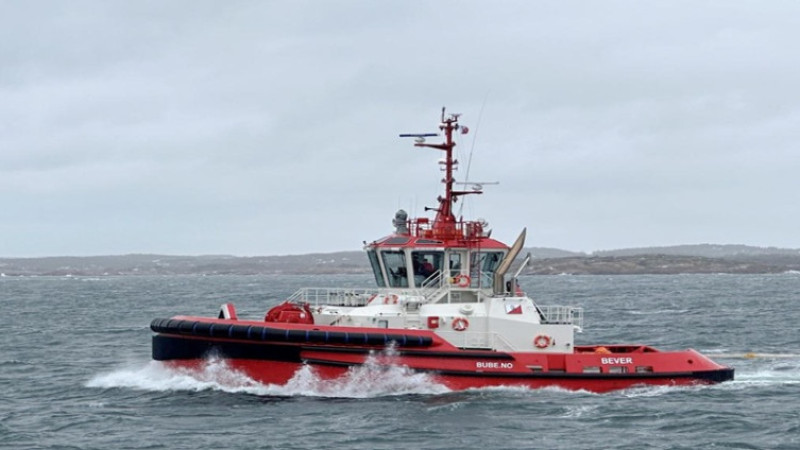
Today, Greek shipowners prefer Turkish shipyards due to their quality, capacity and competitive cost advantages. Successful partnerships are being established between companies from the two countries in tugboat construction, ship repair and maintenance, and other maritime projects. This creates a strong basis for cooperation based on a win-win approach for both sides.

What kind of support do Turkish maritime companies receive from you, and what kind of cooperation do you plan to pursue with our companies to further develop trade?
Turkish maritime companies can receive support in many areas through our Embassy and our representations in Greece. First and foremost, mechanisms such as the High-Level Cooperation Council (HLCC), the Positive Agenda, the Joint Economic Commission and the Joint Tourism Commission strengthen the institutional framework for economic cooperation between the two countries. Within this framework, we contribute to strengthening the environment of trust between Greek shipowners and Turkish shipyards and to developing new areas of cooperation.
Our Commercial Counsellor’s Office closely monitors developments in the Greek market, regularly informs our industry representatives, prepares sectoral analyses and provides guidance and support to our companies. In addition, we take the necessary initiatives with the relevant Greek authorities to help resolve issues encountered in areas such as Greek ports, customs procedures, the investment environment and administrative processes.
We are also working closely with our private-sector organizations. In coordination with the Türkiye-Greece Business Council of the Foreign Economic Relations Board (DEİK), the Association of Turkish Businesspeople in Greece (YUTİİT) and the Athens-based Turkish-Greek Business Association (YUTİAD), we support the establishment of new partnerships between the business communities of the two countries and the development of existing relations.
Our objective is not only to contribute to resolving the problems faced by our companies, but also to increase the visibility of the Turkish maritime industry in Greece, contribute to the evaluation of new trade and investment opportunities, and support the further strengthening of economic relations between the two countries.
Türkiye and Greece both have strong maritime traditions and share a similar cultural geography. However, one of the disputes between the two countries also stems from the sea. What are your views on this issue and your ideas for resolving it?
Türkiye and Greece are two neighboring countries with deep-rooted maritime traditions. Both countries are aware of the strategic importance of maritime trade, maritime transport and the blue economy. At the same time, the fundamental area where the two countries’ perspectives on maritime issues differ concerns disputes related to maritime jurisdiction in the Aegean Sea and the Eastern Mediterranean. There are a number of interconnected and comprehensive issues between Türkiye and Greece in these areas. We believe that these disputes should be addressed comprehensively and resolved through dialogue on the basis of international law.
However, Greece’s long-standing approach that “the sole issue is the delimitation of the continental shelf” makes it difficult to address and resolve the existing disputes in a comprehensive manner. We, on the other hand, believe that there is no issue that two neighboring and allied countries cannot resolve through mutual dialogue and political will.
I believe that three fundamental elements are necessary for this. First, sincere and sustainable dialogue. Second, avoiding populist rhetoric and steps that could increase tensions. Third, demonstrating the will to address all existing issues.
As two neighbors sharing the same geography, we should view the seas not as an area of competition or dispute, but as an area of cooperation and shared prosperity. I believe that such an approach would make a significant contribution to the stability and prosperity of both countries and our region.