
Red Sea risk extended Asia-Europe voyages by 15 days
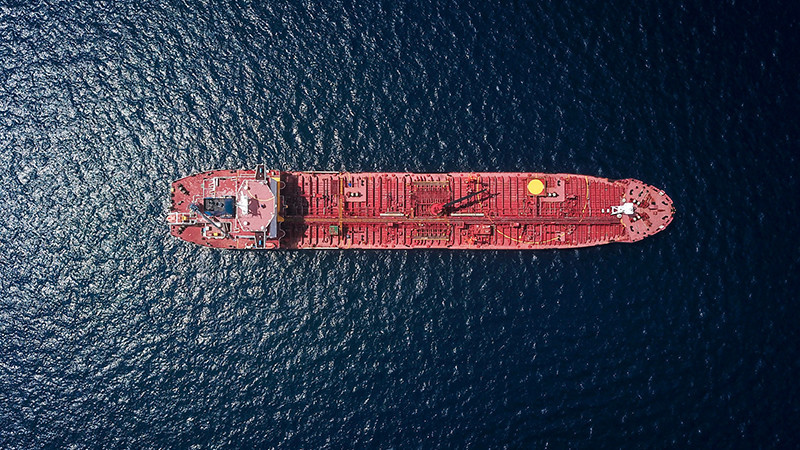
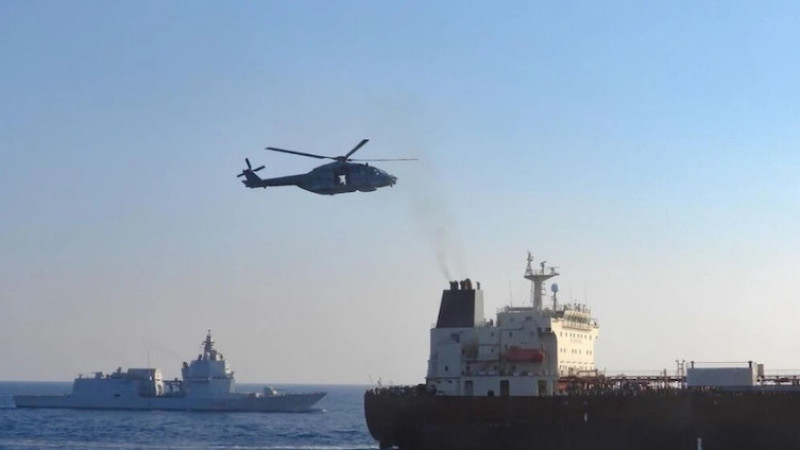
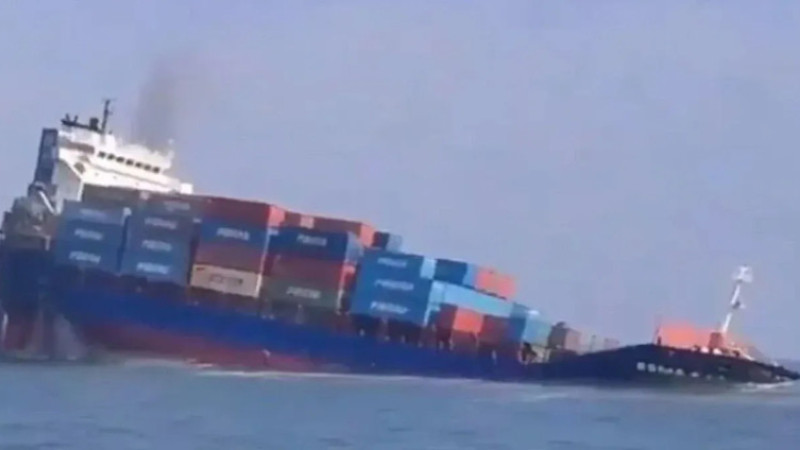
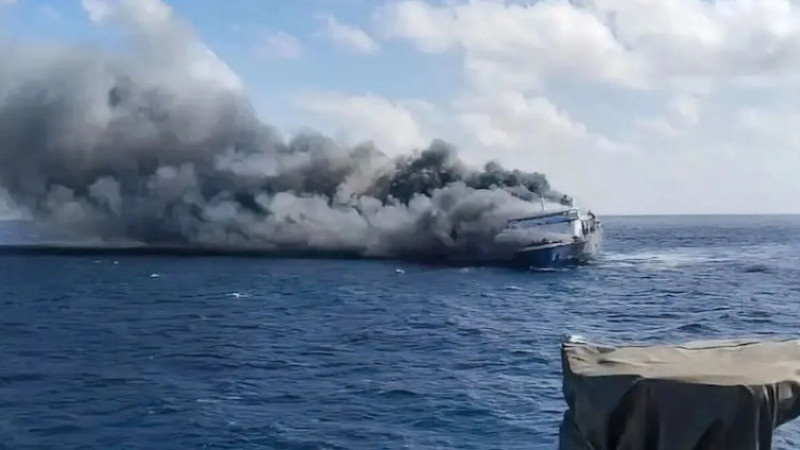
Industry representatives stated that rising security risks in the Red Sea and the Bab el-Mandeb Strait have pushed shipowners to use the Cape of Good Hope route, adding that transit times on the Europe-Asia route have been extended by 10-15 days.

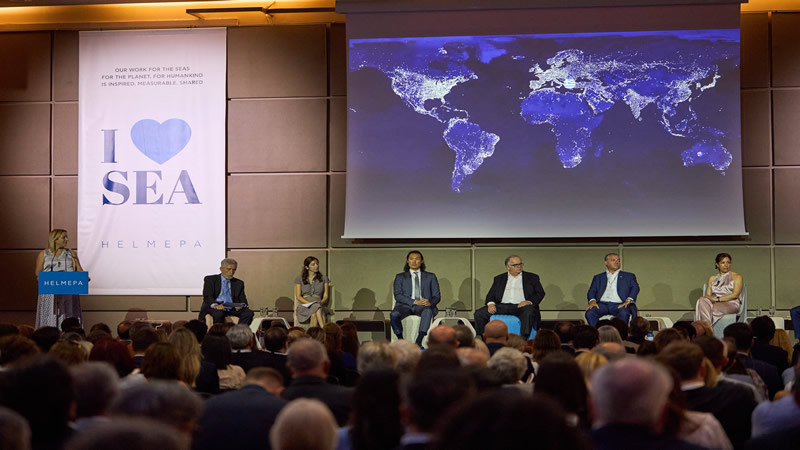
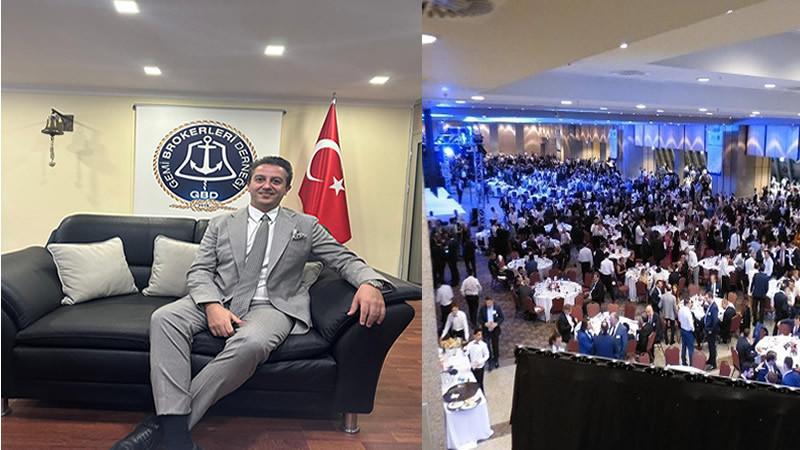
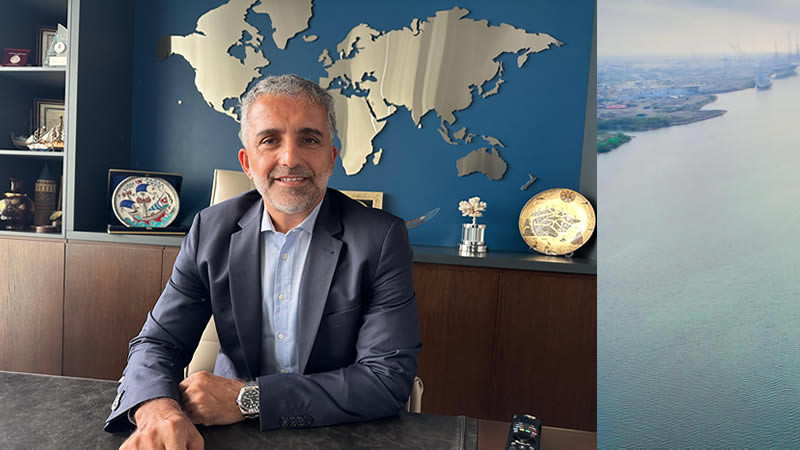
Rising geopolitical risks in the Red Sea and the Middle East are reshaping routes, transit times, and costs in global maritime transportation. The priorities of shipping companies are also changing due to increases in war risk insurance, sanctions, access problems to ports, and security concerns. Mustafa Can, Chairman of the Board of Transboshor Shipping, explained the new balance emerging in the sector and the opportunities arising for Türkiye.
Speaking about the new balance created in the freight market by developments in the Red Sea and the Middle East, Can said, “I can say that today, the main factor determining competitive advantage in the maritime sector is risk management. In the past, shipowners and ship operators mainly focused on reducing fuel costs, lowering port expenses, and increasing operational efficiency. These remain important. However, the pandemic, the Russia-Ukraine War, security problems in the Red Sea, and geopolitical developments in the Middle East have shown that the biggest cost item is now unpredictable risks.”
Stating that the risks a vessel may face today are not limited only to bad weather conditions, Can said, “Geopolitical conflicts, sanctions, increases in insurance premiums, port closures, cyberattacks, fluctuations in energy prices, and environmental regulations have become an integral part of operations.”
Emphasizing that strong companies need to have four key characteristics, Can continued: “In the coming years, thanks to AI-supported risk analysis systems, satellite data, and big data analytics, companies will be able to predict risks days, even weeks, in advance.
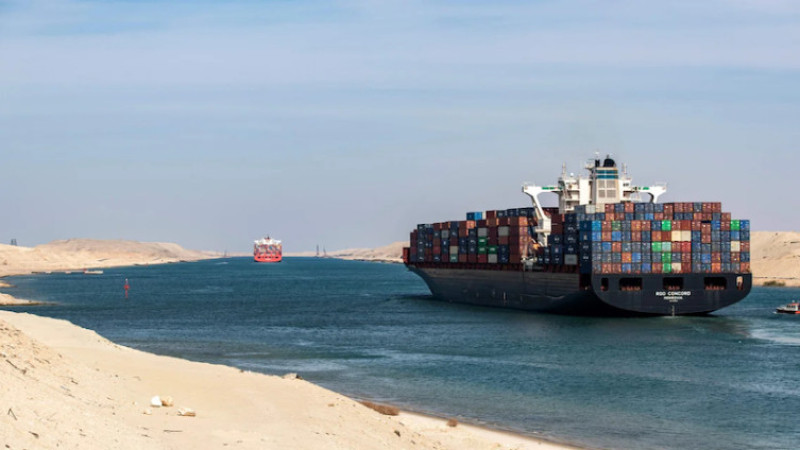
Speaking about how the use of the Cape of Good Hope route instead of the Suez Canal has changed transit times and costs, Can said, “The Suez Canal is one of the most important arteries of world trade. A large portion of trade between Europe and Asia takes place through this corridor. Due to security problems in the Red Sea and the Bab el-Mandeb Strait, many shipowners turning to the Cape of Good Hope route has led to significant changes in the global logistics chain.
First of all, transit times have increased significantly. The voyage duration on many Europe-Asia services has increased by approximately 10-15 days. This does not only mean a loss of time. It also leads to higher fuel consumption, increased personnel expenses, additional insurance costs, and a decline in fleet efficiency as vessels remain in service for longer periods,” he said.
Can said, “In the past, the ‘Just in Time’ model was at the forefront. Today, however, many companies are adopting the ‘Just in Case’ approach, which means being prepared for every possibility. Because continuity in the supply chain is now considered more valuable than saving a few days.”
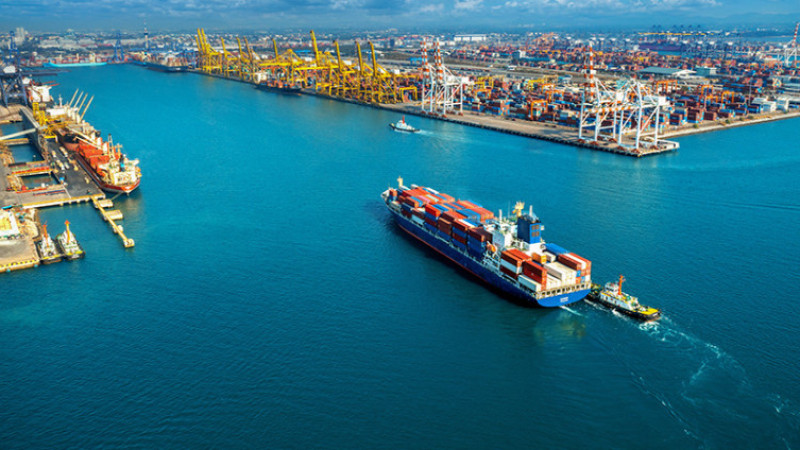
Emphasizing that this process offers significant opportunities for the Turkish maritime industry, Can concluded: “Türkiye has the potential to become an important logistics hub with the Istanbul and Çanakkale straits, strong port infrastructure, and its strategic location at the crossroads of three continents. With the right investments and a strong logistics vision, our country can become not only a transit point through which cargo passes, but also a regional distribution and logistics hub.”