
Breakbulk Europe 2026 Focuses on Trade, Technology, and Transformation
As the world's largest gathering for the global project cargo and breakbulk industry, Breakbulk Europe continues to strengthen business connections and create new opportunities by bringing together more than 11,400 industry professionals in Rotterdam.
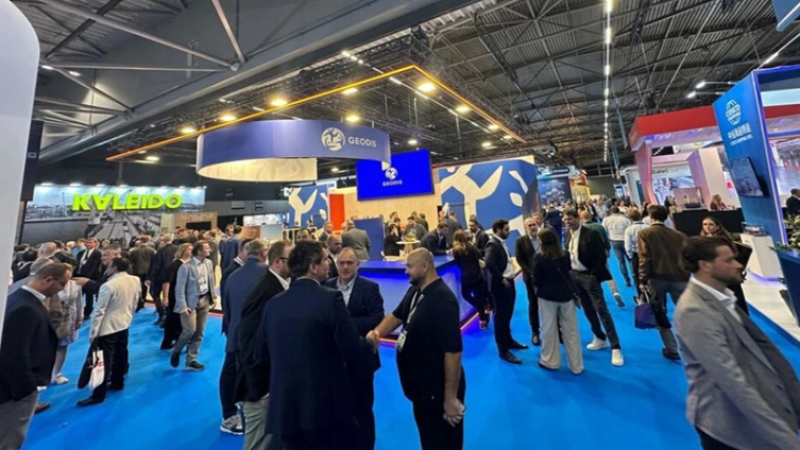

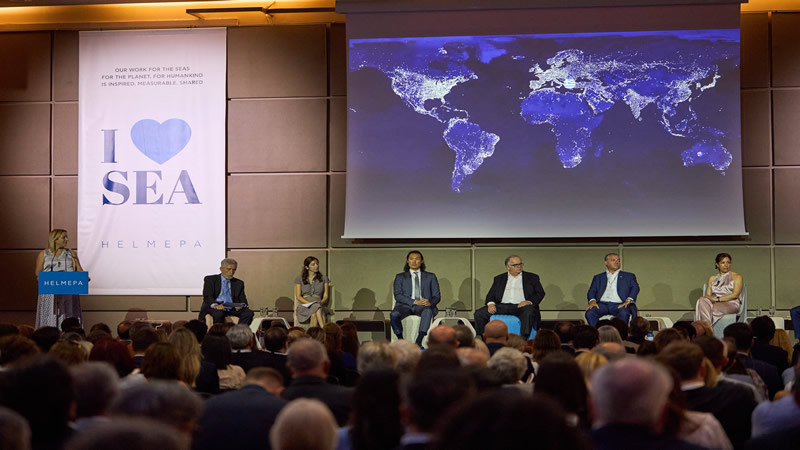
Breakbulk Europe, the leading event for the global project cargo and breakbulk industry, opened its doors in Rotterdam on June 16. Bringing together industry professionals from more than 120 countries, the exhibition will conclude tomorrow with its final sessions and networking events.
The event serves as a key meeting point for project owners, EPC (Engineering, Procurement and Construction) contractors, industrial manufacturers, and global transportation providers. Throughout the exhibition, participants have the opportunity to connect directly with industry decision-makers, showcase their expertise, secure new business opportunities, and establish strategic partnerships.
With strong participation from Turkish companies, Breakbulk Europe continues to be an important platform for increasing international visibility and strengthening global business networks.
Representing every link in the supply chain—from shipping agencies and ports to terminals and maritime service providers—the event creates a unique global network for project cargo and heavy-lift logistics. Through panel discussions, presentations, and business meetings taking place until tomorrow evening, participants are exploring innovative solutions that will help deliver major projects more efficiently and successfully.
Day One Highlights: Global Trade, Capacity Challenges, and Energy Transition
The opening day of Breakbulk Europe 2026 focused on some of the industry's most pressing issues, including global trade, fleet capacity, sustainability, and digital transformation.
During the keynote sessions, industry leaders examined how geopolitical tensions, regional conflicts, sanctions, and evolving trade policies are reshaping global supply chains. Speakers noted that growing uncertainty in international trade is forcing companies to adapt to a more complex and unpredictable business environment.
Capacity developments in the project cargo and multipurpose shipping sectors were also high on the agenda. Discussions covered fleet renewal programs, supply and demand dynamics, the potential impact of overcapacity in container shipping, and the effects of changing trade routes on the market.
Sustainability and energy transition sessions explored low-carbon logistics solutions, changing customer expectations, the role of heavy transport in supporting the global energy transition, and the future of alternative marine fuels and bunkering operations. Participants also discussed investment strategies, decarbonization financing, and the increasing importance of energy security.
Digital transformation was another major theme, with experts highlighting the growing use of artificial intelligence, process automation, and advanced technologies designed to improve operational efficiency and reduce manual workloads across logistics operations.
The Women in Breakbulk program attracted significant interest on the first day. The initiative featured networking opportunities and workshops covering leadership, mentoring, talent development, cross-cultural collaboration, and the effective use of LinkedIn for business growth.
Meanwhile, a session examining the project cargo market outlook for 2026–2029 identified oil and gas, offshore wind, nuclear energy, carbon capture technologies, and data center investments as the sectors expected to drive future growth across the industry.
Day Two Focuses on Artificial Intelligence and the Future Workforce
The second day of Breakbulk Europe turned its attention to the future of the industry, with artificial intelligence, automation, and digital transformation taking center stage.
Throughout the day, speakers explored how AI is transforming logistics operations, while discussions on maritime technology examined the industry's gradual shift from automation toward greater autonomy.
Industry leaders also addressed key workforce challenges, including seafarer welfare, the ongoing talent shortage, the expectations of younger professionals, and the future skills required by the next generation of industry employees. During the “Future Thinkers Forum,” executives and academics shared their vision for the project cargo sector through 2045.
Infrastructure and investment panels focused on the impact of offshore wind developments on port infrastructure, permitting procedures across Europe, and regulatory barriers that continue to delay major projects.
Sustainability remained a prominent topic, with discussions highlighting upcoming vessel emission regulations and emerging exhaust gas treatment technologies aimed at reducing the environmental footprint of shipping.
Networking events continued to play a central role throughout the day. The NextWave 30 gathering brought together young professionals from across the industry, while a Singapore-themed networking event provided additional opportunities for participants to build valuable business relationships.
Innovation was also in the spotlight, as startups developing cutting-edge solutions for the maritime and project cargo sectors presented their ideas to industry leaders during the “Innovation Pitch” session.
Special events dedicated to women professionals once again drew strong participation, with sessions focusing on leadership, career development, team management, and creating more inclusive workplace cultures across the industry.