

There is a shortage of 39,000 officers in the global maritime sector
According to the latest BIMCO and ICS report, the global maritime sector will need an additional 113,735 certified officers by 2030 to keep pace with fleet growth. This highlights growing concerns over the recruitment and retention of qualified seafarers.
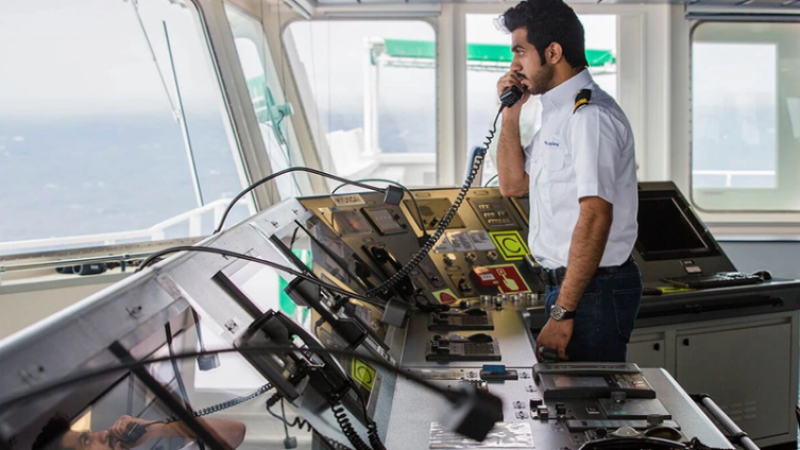

Published on Thursday to coincide with Seafarers’ Day, the 2026 Seafarer Workforce Report estimates that there are currently 2.57 million seafarers serving across 85,148 merchant vessels worldwide. Despite this workforce, the report highlights a surplus of 56,890 ratings in the sector, while projecting a shortage of 39,100 STCW-certified officers this year.
The report concludes that the maritime sector will need to employ an average of 22,747 additional officers and 8,475 ratings annually up to 2030 in order to meet expected demand. This represents annual workforce growth of 2% for officers and 0.5% for ratings.
Published every five years, the BIMCO-ICS report provides one of the most comprehensive assessments of the global seafarer labour market.
BIMCO Secretary-General and CEO David Loosley said that the employment, training, and retention of seafarers will be vital to ensuring the industry is ready for the future. He noted that there is a significant collective responsibility involving all stakeholders and the countries that supply the majority of the world’s seafarers.
Loosley added that the report can help ensure recruitment and employment policies are future-focused.
The findings show that demand for certified seafarers has risen sharply since the previous 2021 report. Overall demand for STCW-certified personnel increased by 35%, driven largely by the expansion of the global merchant fleet and the industry’s recovery following the COVID-19 pandemic.
Demand for officers has risen by 23.1% since 2021, while demand for ratings has increased by 46.3%.
ICS Secretary-General Thomas A. Kazakos said that as the maritime sector undergoes major technological and environmental changes, retaining experienced personnel while attracting new entrants will be essential.
Kazakos stated that seafarers are the backbone of global trade and that the report once again highlights their critical importance in keeping the world economy moving, particularly in an increasingly fragmented global environment. He stressed the importance of attracting more people to maritime careers and maintaining long-term efforts to engage young people early and build a strong talent pipeline for the future.
He also emphasized that as the industry adopts alternative fuels and emerging technologies, the current workforce will require new skills.
“As seafarers play a key role in the sector’s transition to new fuels and technologies, ensuring access to the necessary training and skills will be critical,” Kazakos said, adding that without continued investment in employment and training, there is a risk that the workforce shortage could worsen at a time when the industry needs skilled seafarers more than ever.
The report recommends expanding maritime education and training programs, promoting careers at sea, and improving monitoring of global employment and retention trends. It also notes that better workforce data will help governments and industry respond more effectively to future labour shortages.