

SMM 2026: The Industry Focuses on Technology, Efficiency, and Collaboration
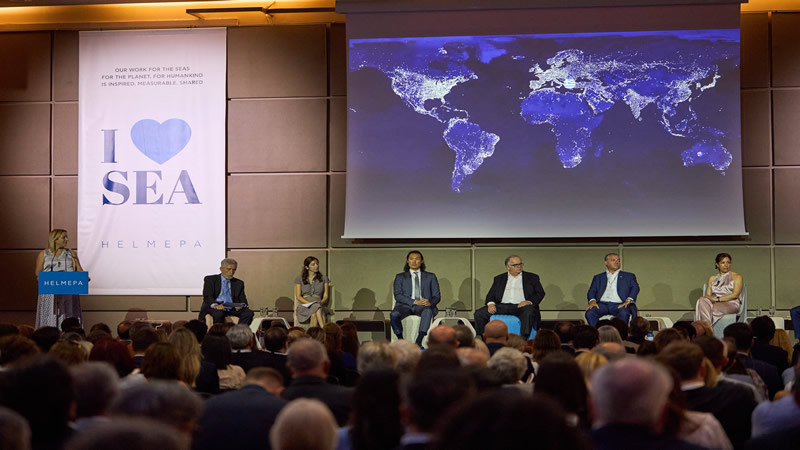
At a joint press conference held as part of SMM 2026, the MS&D Conference & Exhibition, and ALL ABOUT PORTS, it was emphasized that the maritime industry is being reshaped by geopolitical uncertainty, digitalization, and the energy transition.
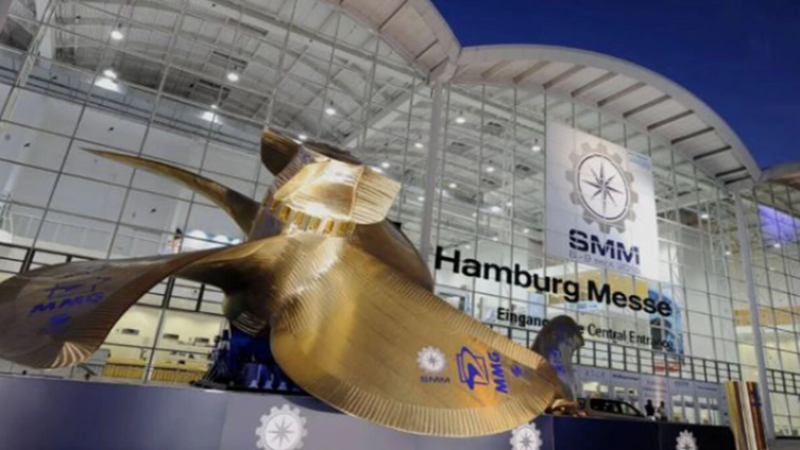

Geopolitical uncertainty, decarbonization, digitalization, and new energy-efficiency requirements are fundamentally reshaping the maritime industry. These issues took center stage at a joint press conference held today for SMM 2026, the MS&D Conference & Exhibition, and ALL ABOUT PORTS, where leading representatives from the maritime and port sectors, together with industry associations, discussed the key challenges and opportunities that lie ahead. Participants agreed that the maritime transition can only succeed through closer cooperation across the entire industry.
“The most exciting developments are no longer happening within individual sectors, but at the points where they intersect,” said Claus Ulrich Selbach, Vice President Maritime & Energy Fairs at Hamburg Messe und Congress. “This is where we can clearly see how the maritime industry is changing and where it is headed. With SMM, the MS&D Conference & Exhibition, and ALL ABOUT PORTS, we are creating a platform in Hamburg to examine these developments from different perspectives.”
While SMM focuses on the major challenges shaping the future of the maritime industry, the MS&D Conference & Exhibition addresses current issues in maritime security and defense. ALL ABOUT PORTS highlights the evolving role of ports in energy, infrastructure, and logistics. Ports are also increasingly at the center of discussions surrounding resilience, energy supply, data infrastructure, and security.
Maritime Transformation Becomes an Industrial Challenge
The demand for shipping services continues to grow, while pressure is mounting to reduce emissions, digitalize operations, and improve vessel efficiency. The technologies needed to achieve these goals are being developed by shipyards and maritime equipment suppliers.
“The geopolitical landscape is reshaping the maritime industry. New markets and new technologies are creating exciting opportunities for the sector,” said Dr. Reinhard Lüken, CEO of the German Shipbuilding and Ocean Industries Association (VSM). “Germany and Europe’s technological leadership gives us strong growth prospects both domestically and internationally. SMM is the ideal place to witness these developments and be part of them.”
According to Lüken, shipbuilding has become one of the world’s most technology-intensive industries. Alternative propulsion systems, digital ship operations, automation, artificial intelligence, and cyber resilience are increasingly becoming essential features of modern vessels. At the same time, competitiveness, technological sovereignty, and innovation capacity are gaining strategic importance for Europe.
Energy Efficiency and Digitalization Are Shaping the Future
Energy efficiency is no longer solely a sustainability issue; it has become a key factor in maintaining competitiveness. Digital applications, automation, and data-driven processes are enabling operators to manage vessels and fleets more efficiently while reducing operating costs.
At the same time, the technologies driving maritime transformation are becoming increasingly sophisticated and interconnected. As a result, international cooperation is playing a growing role in accelerating the development and implementation of new solutions.
“The maritime industry is entering a period of profound technological change,” said Hauke Schlegel, Managing Director of VDMA Marine Equipment and Systems. “Energy efficiency, digitalization, and automation are transforming both shipping and shipbuilding. At the same time, the pressure to bring sustainable and high-performance solutions to market more quickly is increasing. The technologies involved and the challenges we face are too complex for individual companies or regions to address alone. Progress depends on international cooperation, knowledge sharing, and the joint development of innovative solutions.”
Resilience Is Becoming a Competitive Advantage in Global Supply Chains
For shipowners, one of the key questions is how to secure supply chains in an increasingly challenging geopolitical environment. Recent geopolitical crises and disruptions along major trade routes have demonstrated how closely security, economic performance, and supply-chain reliability are interconnected.
“Rapid technological advances only create value when they deliver practical benefits in everyday operations,” said Silke Lehmköster, Fleet Director at Hapag-Lloyd AG. “The technologies we need must improve efficiency, enhance safety, and support commercially viable decarbonization. They must also make life easier for seafarers working onboard. Recent geopolitical developments have shown that resilience has become a critical competitive factor for global supply chains. This makes cooperation across the industry more important than ever.”
Industry Challenges Are Becoming Increasingly Connected
The discussions at the press conference highlighted that the key challenges facing the maritime industry can no longer be viewed separately. From energy efficiency and digitalization to maritime security and the growing role of ports as energy, infrastructure, and logistics hubs, these issues are becoming increasingly interconnected.
As the maritime sector continues its transformation, collaboration, innovation, and cross-industry partnerships will be essential to successfully navigating the challenges and opportunities ahead.