

Shipowners Turn to Energy in Vessel Investments
With global trade wars reshaping energy supply routes, Turkish shipowners have moved into action, placing massive vessel orders amounting to 500 million dollars.
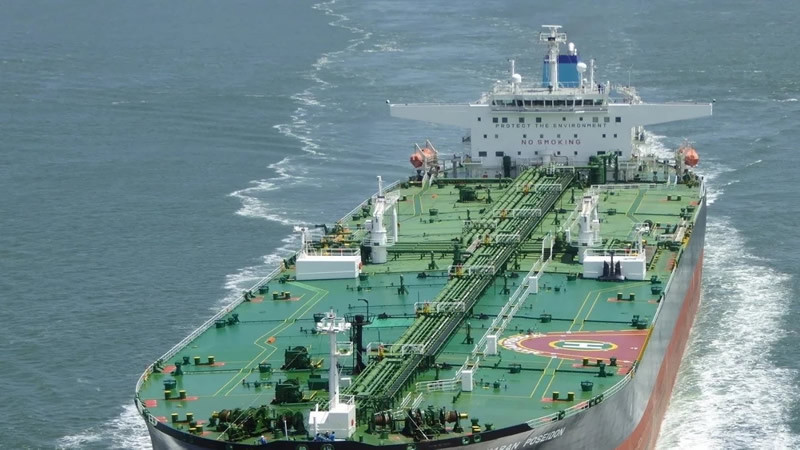

Turkish shipowners have launched an investment drive in vessels for energy transportation. As Europe diversified its oil supply following the Russia-Ukraine war, U.S. President Trump’s policies toward Venezuela, and newly signed global energy agreements increased tanker demand in maritime trade, Turkish shipowners accelerated their investments in this field. With tanker freight rates also rising rapidly, news emerged in January alone of vessel investments totaling nearly 500 million dollars from four different Turkish companies. Speaking to EKONOMİ newspaper, industry representatives emphasized that Turkish shipowners have “moved up a league,” shifting from coaster fleets to large-tonnage vessels capable of competing with global giants. Investments are expected to continue increasing.
In recent years, the Turkish merchant fleet has entered a rapid growth phase, continuing its rise in 2025. According to data from the Ministry of Transport and Infrastructure, as of June 2025 the Turkish-owned merchant fleet reached approximately 53 million DWT. The number of vessels, which was 2,092 in January, rose to 2,150 by June. Thus, the Turkish-owned fleet climbed one more step in the global ranking, entering the top 10. The entry of new players into the sector also contributed to this growth.
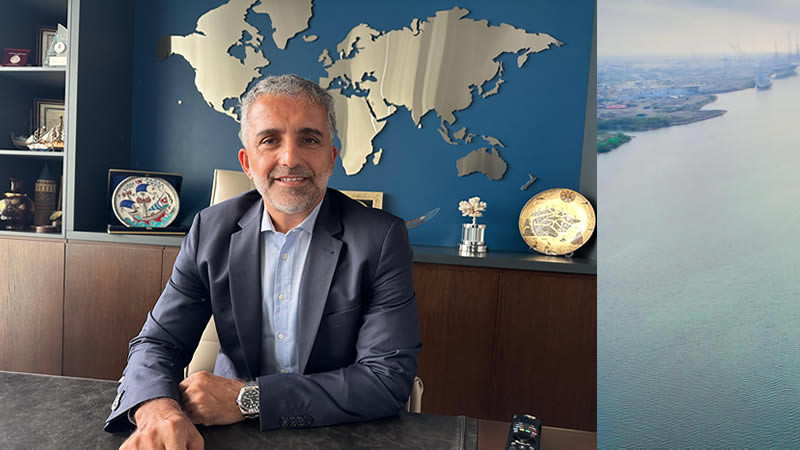
According to a report by Aysel Yücel from Ekonomim.com, Yavuz Kalkavan, Chairman of Beşiktaş Shipping, emphasized the importance of the recently announced investments for the current state of Turkish shipping. Kalkavan said: “These developments are perfectly normal. Considering the position Turkish shipping has reached, they should now be regarded as ordinary. In the next few years, we will hear of many more investments and growth. Turkey has moved up a league in the last five years; we are at the very beginning of a very good period. Turkish shipowners are seizing opportunities in energy, commodities, and containers alike.”
Turkish Shipowners Now Large-Tonnage Investors
İsmail Şahin, Senior Chartering Manager at Yağcı Shipping, pointed out that Turkish shipowners are moving away from coaster fleets toward larger-tonnage vessels. Şahin said: “There are significant opportunities in energy trade. Investments that normally amortize in about seven years are now expected to pay back in three to four years with the anticipated boom in large tonnage. European shipowners are saturated in the market. With educated and internationally connected new generations taking over, ambition and appetite are coming to the forefront among Turkish shipowners.”
“No Guarantee of the Same Profitability at Delivery”
Semih Dinçel, Board Member of the Chamber of Shipping, drew attention to the rise in tanker freight rates: “The BDTI (Baltic Dirty Tanker Index) fell by 22.75% in 2024 compared to 2023, but rose by 42.29% in 2025 compared to 2024. The BCTI (Baltic Clean Tanker Index) dropped by 34.90% in 2024, yet increased by 21.12% in 2025.” Dinçel noted that Turkish shipowners, after years of volatility in dry bulk, have turned to energy transportation: “This can be read as a correct and strategic choice. However, the tanker market carries high risk as well as high profit. The success of today’s orders will depend not only on freight rates but also on how fuel regulations and carbon policies evolve. Moreover, most of these orders will be delivered in 2028–2029. There is no guarantee that investments made under today’s market conditions will achieve the same profitability at the time of delivery.”
Tanker Orders by Turkish Companies
• Aygaz’s giant order: First, Aygaz, one of Koç Holding’s main companies, placed a major VLGC (Very Large Gas Carrier) order worth 119 million dollars at Hyundai Shipyard in South Korea, in line with its growth target in LPG transportation. This move is seen as one of the most concrete steps in the company’s strategy to expand its global scale in gas transportation.
• Karamehmet to add two suezmaxes to the fleet: Another major investment came from Advantage Tankers. The company, managed by Gülsün Nazlı Karamehmet Williams, ordered two suezmax tankers from DH Shipbuilding in South Korea. The contract value was announced as 177 million dollars. Deliveries are planned for January and May 2029.
• Stella orders a fourth vessel in China: On the chemical tanker side, Stella Tanker exercised its option for a fourth 7,300 DWT parcel tanker at Zhejiang Yongxin Shipping shipyard in China. Following its initial three-vessel order, the company accelerated its growth strategy.
• Kalkavan acquires three tankers at once: Beşiktaş Shipping, led by Yavuz Kalkavan, entered a notable fleet renewal and expansion process. The company added the 50,000 DWT Amasya and Antalya (built in 2016) and the 50,000 DWT Van (built in 2015) to its fleet, announcing a total investment of approximately 100 million dollars.