


LNG Fleet Capacity to Double by 2030
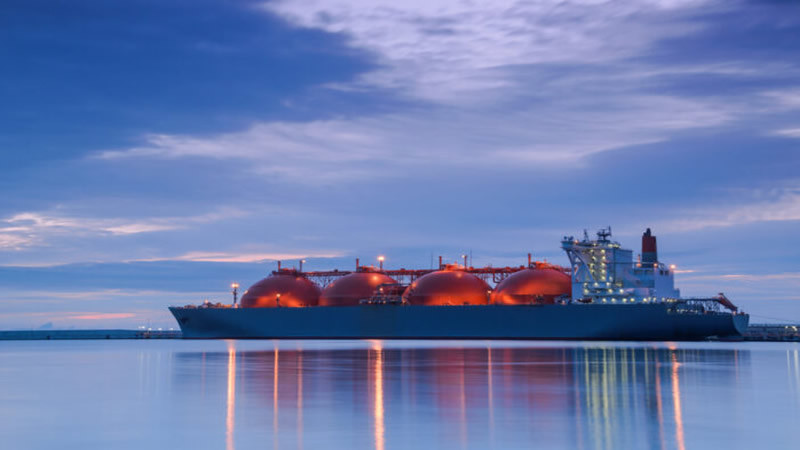
According to Drewry’s latest analysis, the global LNG fleet is expected to grow by nearly 9% annually until 2030, effectively doubling its current capacity. At present, 282 vessels are on order, with more expected to follow.

urge in Production Capacity
This year, around 43 mtpa of new liquefaction capacity is set to come online, led by producers in Qatar, the U.S., Mexico, and Australia. Drewry describes 2026 as a “turning point” for the market, predicting that higher volumes will reduce costs and strengthen global LNG trade.
Mega Projects Underway
Major projects scheduled for completion this year include Qatar’s North Field East (16.5 mtpa), Corpus Christi Phase 3 Blocks 2–7 (8.6 mtpa), and the first train of Golden Pass LNG (6 mtpa). In addition, final investment decisions (FIDs) are expected to surpass last year’s record of 62 mtpa, with approvals exceeding 100 mtpa. By 2030, another 170 mtpa of capacity is projected to reach the pre-FID stage.
Vessel Deliveries and Fleet Growth
Following 76 new LNG vessel deliveries in 2025, about 85 ships are expected to enter service this year. Fleet capacity is forecast to double within the next five years. However, analysts caution that large-scale projects have historically faced significant delays.
Recycling and Sustainability Challenges
Recycling rates may become a critical factor. Shipyard capacity in the Indian subcontinent could pose constraints, as dismantling LNG tankers is complex and time-consuming. In 2025, all LNG demo sales involved steam-powered vessels. Drewry expects this trend to continue until 2028, after which slow-speed diesel vessels with onboard reliquefaction systems will also begin to phase out.
Shorter Vessel Lifespans
Another notable trend is the declining age of vessels sold for recycling. Since 2014, LNG ships sent for scrap averaged close to 40 years old, reflecting their long service life. However, since 2023, the average age has dropped sharply—falling to 28 years in 2024 and 26 years in 2025. Analysts suggest this reflects the growing importance of decarbonization frameworks and sustainability initiatives in maritime transport.