


Seafarer Happiness Declines Amid Growing Work Pressures
The Seafarers Happiness Index fell to 6.81 as heavy workloads, limited shore leave and inadequate rest continue to affect crew wellbeing.
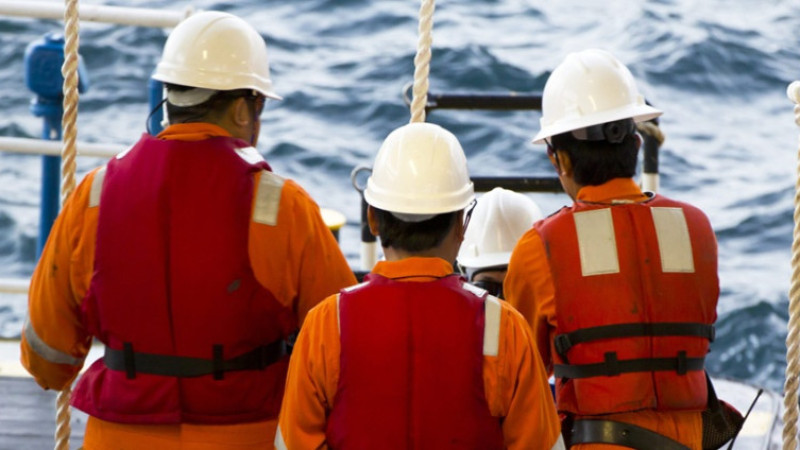

As the maritime industry undergoes a transformation driven by artificial intelligence, autonomous ships and digital systems, problems affecting seafarers’ working conditions remain unresolved. International studies reveal that increasing workloads, insufficient rest, restrictions on shore leave and psychological pressure are negatively affecting seafarers’ professional satisfaction.
The Seafarers Happiness Index was measured at 6.81 out of 10 in the third quarter of 2026. The score, which stood at 6.87 in the previous quarter and 7.26 in the final quarter of 2025, indicates a decline in seafarer satisfaction. Shore leave opportunities recorded the lowest score, at 5.46, while relationships with fellow crew members represented the highest area of satisfaction, scoring 7.70. Internet access and communication with family scored 6.89, while satisfaction with wages remained at 6.56.
Workload and Rest Periods Under Pressure
Workloads, particularly during port operations, are increasing pressure on crew members. Cargo handling, bunkering, maintenance, inspections and administrative tasks often coincide during short port calls, reducing opportunities for rest.
An academic study examining 4,974 seafarer responses and 1,096 assessments identified long working hours and heavy workloads as among the main causes of fatigue. The fact that records of working and rest hours do not always reflect actual working schedules has also emerged as an obstacle to tackling fatigue.
Shore Leave Opportunities Remain Inadequate
Shore leave, the area in which seafarers reported the lowest satisfaction, is often becoming a right that exists only on paper due to short port calls, security procedures, terminals located far from city centres and a lack of transportation.
Reports from some seafarers that they were unable to go ashore at all during four separate contracts lasting five to six months each highlight the scale of the problem. Studies covering approximately 22,000 seafarers and 1,700 ships also point to the continuing need for improvements in shore leave, sleep, nutrition, social activities and internet access.
Risk of Leaving the Profession Is Growing
Problems with working conditions are also threatening the sector’s future workforce requirements. An international study involving 4,372 seafarers found that approximately one-third of participants were at risk of severe or dangerous levels of stress. Nearly half reported that they were considering leaving the maritime profession within the next five years.
Long working hours, limited opportunities for rest and psychological pressure are making it increasingly difficult to retain experienced personnel, while also increasing workforce retention risks for companies.
Technological Transformation Must Be Human-Centred
Artificial intelligence, sensors and autonomous systems have the potential to improve efficiency in maritime operations. However, new technologies could further increase the burden on crew members by introducing additional reporting requirements and responsibilities.
For this reason, technological investments should not be assessed solely in terms of speed and cost advantages. Their ability to reduce workloads, support rest periods and improve working conditions should also be considered among the key measures of success.
Seafarer wellbeing is also directly linked to operational safety. Fatigue, social isolation and psychological stress affect not only crew members’ quality of life but also the safe operation of ships. The sustainability of the industry depends on establishing a working environment that does not constantly test seafarers’ resilience, rather than expecting them to endure increasingly demanding conditions.