
SAFEPASSAGE FORUM 2026 Begins in Baku
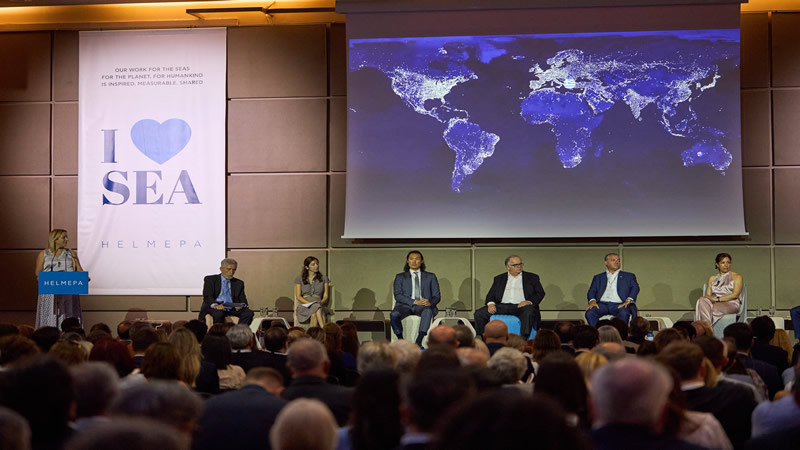
SAFEPASSAGE FORUM 2026 opened in Baku, bringing together international maritime stakeholders to discuss risk management, insurance, training, sustainability, and cooperation for safe shipping.
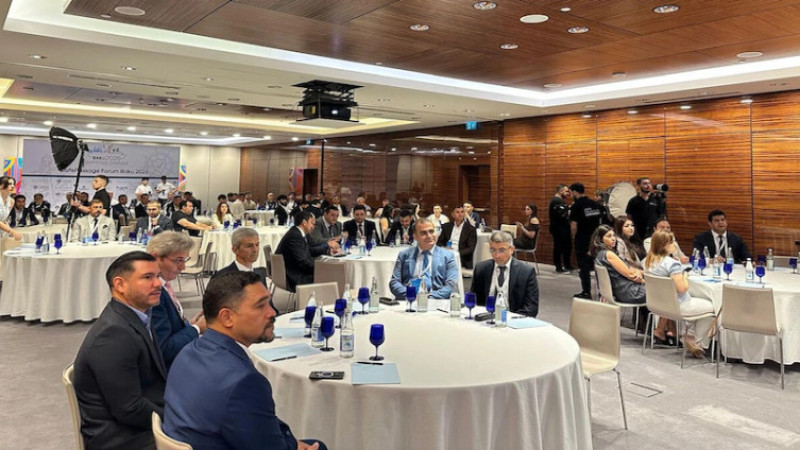

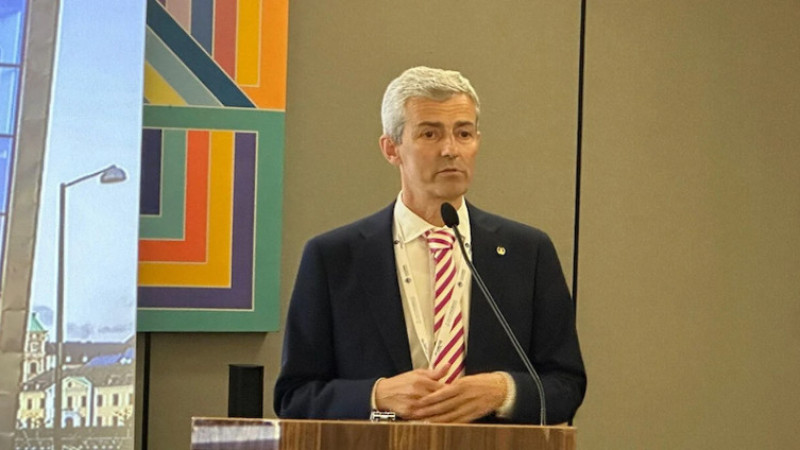
SAFEPASSAGE FORUM 2026, held in Baku, the capital of Azerbaijan, brought together international representatives of the maritime industry. Speaking at the opening of the forum, Khalil Abbasov, Director of Liman Insurance and Reinsurance Broker, emphasized that the maritime industry is not limited to cargo transportation alone, and that many new dynamics, including technological transformation, digitalisation, environmental responsibilities, cybersecurity, and risk management, are shaping the future of the sector.
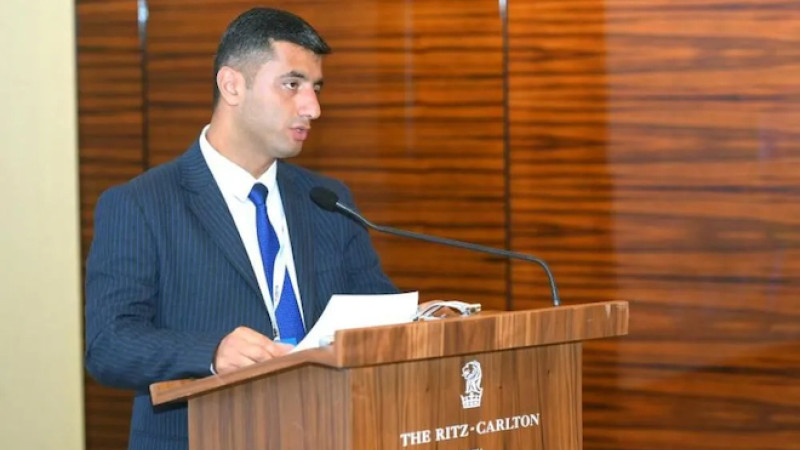
Abbasov stated that effective risk management in shipping should begin not after an accident occurs, but with preventive measures, preparedness, training, and a mindset of continuous improvement. Abbasov said that insurance and reinsurance systems provide financial security, while the industry's real resilience depends on a strong safety culture and cooperation among stakeholders.
Abbasov noted that the forum aims to increase knowledge sharing among shipowners, insurers, brokers, public authorities, educational institutions, and maritime professionals, adding that topics such as maritime safety, insurance, risk management, training, innovation, sustainability, and operational excellence will be discussed throughout the day.
Azerbaijan emphasised its commitment to IMO standards
Delivering the second speech at the forum, Sabuhi Orujov, Head of the Seafarers' Certification Department of the Azerbaijan State Maritime and Port Agency, outlined Azerbaijan's efforts to achieve full compliance with international maritime regulations.
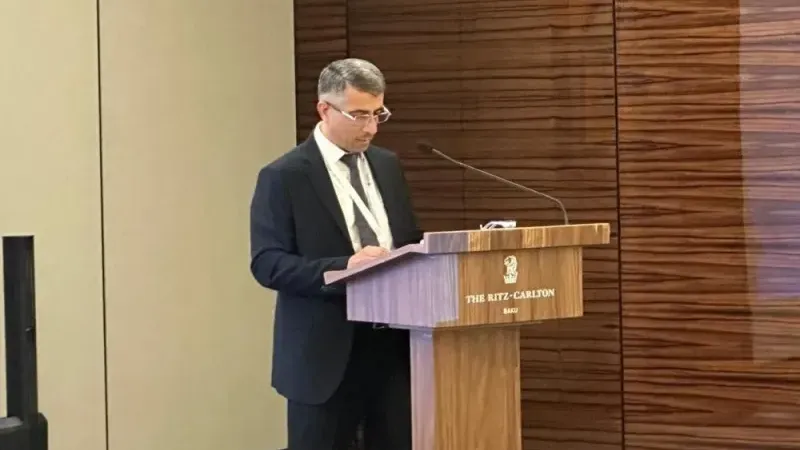
Orujov stated that Azerbaijan has been a member of the International Maritime Organization (IMO) since 1995 and has ratified more than 20 IMO conventions and protocols to date.
In his speech, Orujov particularly highlighted the three fundamental international maritime conventions:
- SOLAS (International Convention for the Safety of Life at Sea)
- MARPOL (International Convention for the Prevention of Pollution from Ships)
- STCW (International Convention on Standards of Training, Certification and Watchkeeping for Seafarers)
Orujov said that Azerbaijan has successfully completed the IMO Member State Audit Scheme and continues to remain on the IMO “White List” thanks to its full implementation of the STCW Convention. He stated that this confirms Azerbaijan’s compliance with international standards in seafarer training and certification.
Call for joint action for safe shipping
The common message delivered during the forum’s opening session was that the future of the maritime industry will be shaped not only by technological developments, but also by international cooperation, strong governance, education, risk management, and a commitment to sustainability.
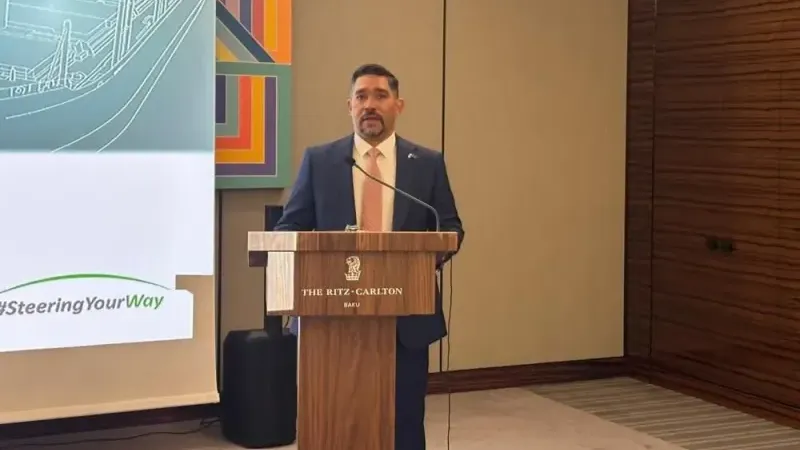
Panama Maritime Authority: We Are Taking Our Fleet into the Future Through Sustainability and Service Quality
Speaking at SafePassage Forum 2026, Ricaurte Chacón Torres, Segumar Istanbul Technical Manager at the Panama Maritime Authority, evaluated the global position of the Panama flag, its sustainability goals, and cooperation with Türkiye.
Torres stated that Panama is one of the countries with the world's largest ship registries, adding that it continues to maintain its leading position in global shipping with more than 8,000 vessels and registered tonnage representing approximately 30% of the world's fleet.
Torres said that the Panama Maritime Authority has continuously updated its legislation in recent years and has implemented significant reforms, particularly in preventing fraud, digitalisation, accelerating registration processes, and ensuring full compliance with IMO regulations.
Global technical service network is expanding
Torres stated that Panama has opened Segumar technical offices in different parts of the world in order to provide faster services to shipowners, noting that the network, which started in New York, has now expanded to major maritime centres including Türkiye, Singapore, Japan, South Korea, Dubai, Shanghai, Hong Kong, and the Philippines.
Recalling that the Segumar Office in Istanbul began operations last year, Torres said that, in response to requests from Turkish shipowners, the consulate was relocated from the European side to the Asian side of Istanbul, and that a regional seafarer services office has also started operating.
“Türkiye is one of our strategic partners”
Emphasising that Türkiye is one of the strategically important countries for the Panama flag, Torres said that approximately 405 Turkish-owned vessels sail under the Panama flag and that the Turkish maritime industry holds a significant share in the Panama fleet.
Full marks in the IMO audit
In his speech, Torres also referred to the International Maritime Organization's (IMO) Member State Audit Scheme, stating that Panama successfully passed the IMO audit conducted in August 2025.
He said that the audit covered critical areas such as flag State implementation, port State control (PSC), and the enforcement of international maritime regulations, adding that the result further strengthened the international credibility of the Panama flag.
Torres added that the Panama Maritime Authority will continue to expand its global service network through sustainability, operational efficiency, digitalisation, and a customer-oriented service approach in the coming period.
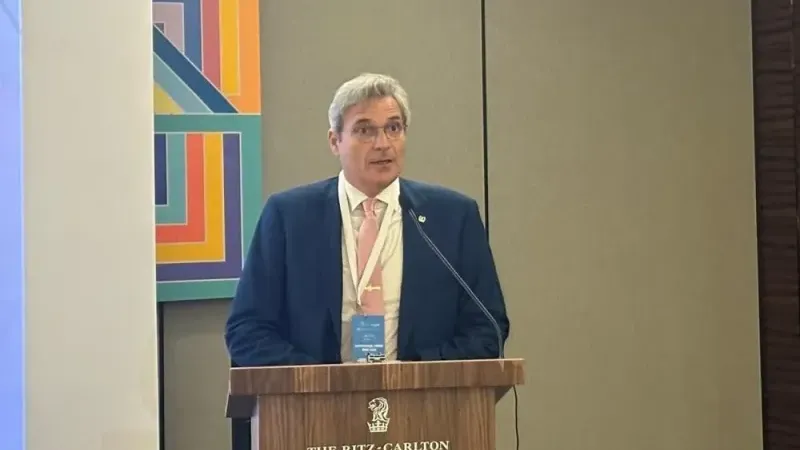
Prof. Dimitrios Dalaklis: Artificial Intelligence Cannot Replace the Human Factor in the Future of Shipping
Prof. Dr. Dimitrios Dalaklis, Head of the Maritime Safety and Environmental Administration Department at the World Maritime University (WMU), delivered a speech at SAFEPASSAGE FORUM 2026. Dalaklis evaluated the transformation facing the maritime industry in the age of digitalisation, the development of artificial intelligence, and the future of autonomous ships.
In his speech, Dalaklis stated that technology has evolved together with humanity throughout history, adding that digitalisation and artificial intelligence are at the centre of the fourth industrial revolution taking place today.
Prof. Dalaklis emphasised that although artificial intelligence currently supports people in many fields, the human factor remains indispensable in decision-making processes, saying, “Today, it is still humans who evaluate and supervise artificial intelligence. Therefore, at the present stage, humans remain above artificial intelligence.”
“In the future, humans and machines will work together”
Dalaklis stated that the greatest advantage of artificial intelligence is its high processing capacity and said that the pace of technological development continues to accelerate every year. He noted that the maritime industry will soon enter a new era in which humans and intelligent systems work together, adding that digital transformation is not limited to software alone.
Dalaklis stated that smart sensors, big data analytics, wearable technologies, and connected systems have now become an integral part of maritime operations, pointing out that while these technologies improve operational safety, they also bring new risks.
The era of “uncrewed” rather than “unmanned” ships
Continuing his speech, Dalaklis also addressed autonomous ship technologies, saying that the terminology used in the maritime industry has also changed. He stated that the term “uncrewed ship” is now used instead of “unmanned ship,” explaining that this means there is no crew on board, but it should not be interpreted as meaning that human control has been completely eliminated.
Dalaklis explained that uncrewed ships can be remotely monitored and managed from shore-based operation centres, and that in the event of any problem, support can be provided through remote intervention or service robots.
Dalaklis stated that fully autonomous ships are moving toward the capability of making critical decisions such as route planning, navigational safety, and collision avoidance without human intervention through artificial intelligence-supported systems, adding that in the future, operational models in which multiple ships are managed from a single control centre will become widespread.
IMO continues its work on next-generation ships
Dalaklis stated that the International Maritime Organization (IMO) is also continuing its work on official definitions and regulations regarding autonomous ships, adding that digital transformation will fundamentally change not only technology but also the management approach of maritime operations.
Human resources are as important as digitalisation
Dalaklis emphasised that the main mission of the World Maritime University is to educate the maritime leaders of the future, stating that during the digital transformation process, qualified human resources are just as critical as technical investments.
Dalaklis said that for the sustainable growth of the maritime industry, technology and the human factor must be considered together, adding that for digitalisation to succeed, people working in the sector must be equipped with the knowledge and skills needed to adapt to new technologies.
At the end of his speech, Dalaklis also referred to the rapid development of artificial intelligence and robotics technologies, stating that global technology companies, in particular, are making major investments in new systems where humans and machines will work together. He said that it is of great importance for the maritime industry to prepare for this transformation from today. Emphasising that technology will shape the future of shipping, Dalaklis underlined that the human factor will always remain at the centre of safety, decision-making processes, and effective risk management.
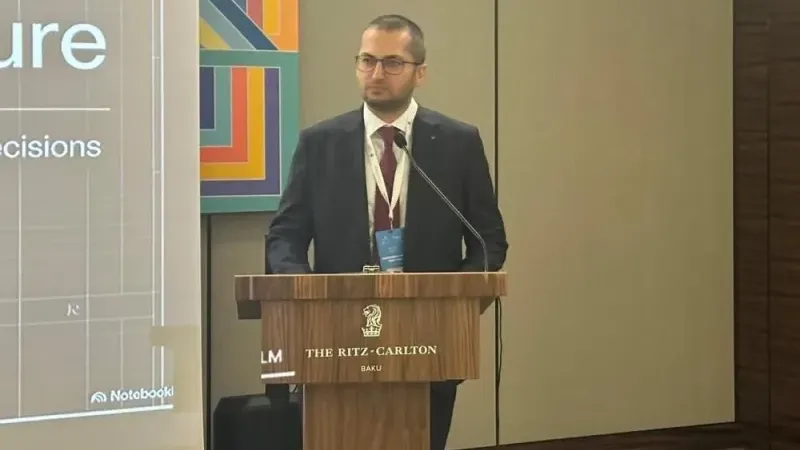
Ahmet Çağrı Kesik: Every Decision a Master Makes Has a Commercial Cost
Speaking at SAFEPASSAGE FORUM 2026, Ahmet Çağrı Kesik, Ship Broker at GN Group Corporation, said that safe and profitable voyages in maritime transportation are possible not only through a good contract but also through the right operational decisions taken on board.
Kesik, a graduate of Istanbul Technical University’s Maritime Transportation and Management Engineering Department who has worked as a ship broker for nearly 10 years, explained in his presentation not the complex charter party clauses, but how brokers view a voyage and how the decisions made by masters directly affect the commercial success of a voyage.
“The master manages not only the ship but also the company’s profitability”
Kesik stated that a master is not only responsible for the navigation of the ship, but that every decision taken on board also has financial and legal consequences.
“A single signature by the master can earn the shipowner tens of thousands of dollars, or cause a loss of the same amount,” said Kesik, adding that the broker is the party that creates the commercial contract, while the master is the person who successfully implements that contract in the field.
He drew attention to the difference between Time Charter and Voyage Charter
In his presentation, Kesik referred to the commercial differences between Time Charter and Voyage Charter agreements, stating that in Time Charter contracts, the vessel’s warranted speed and fuel consumption figures are of great importance.
Kesik said that if the warranted performance cannot be achieved, the shipowner may face various compensation claims, while in Voyage Charter contracts, both the sea passage time and the speed of port operations directly affect profitability.
Off-hire always means loss of income
Kesik said that a vessel going off-hire due to engine failures, crane failures, or hatch cover problems means a direct loss of income for the shipowner. He stressed that masters should accurately measure the amount of fuel on board during bunker survey operations and carefully check the surveyor’s records.
A two-minute delay can cost $37,000
Kesik also highlighted the importance of the Notice of Readiness (NOR), one of the most critical documents in maritime trade.
He stated that an NOR is valid only when the vessel has reached the official port limits, the cargo holds are clean, the cargo-handling equipment is operational, and the vessel is fully ready for loading. He said that even very small timing errors can result in significant costs.
Giving an example, Kesik said that based on a daily demurrage rate of US$50,000, issuing the NOR at 12:01 instead of 11:59 could postpone the start of laytime until the following day, resulting in a loss of approximately US$37,500 for the shipowner.
The Bill of Lading must be checked before signing
In the final part of his presentation, Kesik addressed the Bill of Lading, stating that it is not only a transport document but also the most important legal document representing ownership of the cargo.
Kesik said that masters should always coordinate with the shipowner’s office before signing the Bill of Lading, adding that the cargo description, date, loading information, and consistency with the charter party terms must be carefully checked in order to prevent serious legal and commercial disputes that may arise later.
Concluding his speech with the message, “A successful voyage is possible with the right contract, strong communication, and a master with commercial awareness,” Kesik emphasised that operational success and commercial success in shipping cannot be considered separately.