



Claim: Iran Instructs Houthis to Prepare for Bab el-Mandeb Closure
Iran has reportedly instructed the Houthis to prepare to close the Bab el-Mandeb Strait in the event of a potential U.S. attack on its energy infrastructure, raising concerns over global shipping and oil supplies.
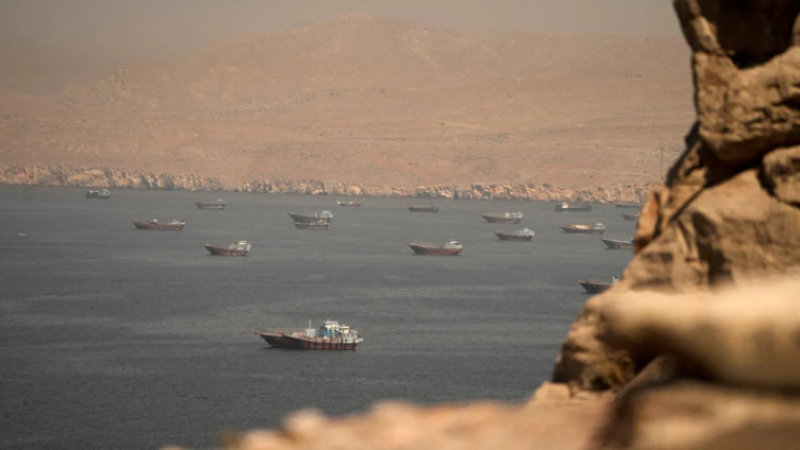

With the Strait of Hormuz effectively closed, Bab el-Mandeb has become the primary outlet for Gulf oil exports, particularly for Saudi Arabia. Riyadh is increasingly relying on the East-West Pipeline to transport crude oil from the Gulf coast to the Red Sea port of Yanbu in order to bypass Hormuz.
Maritime analysts at Scandinavian bank SEB said Saudi Arabia's exports via Yanbu are currently running at 4 million to 4.5 million barrels per day, which is close to the practical export capacity of the pipeline.
SEB said, "The Red Sea matters here because it is currently serving as the relief valve for Hormuz."
To reach Asian buyers, these barrels of crude must transit the Bab el-Mandeb Strait. If the Houthis resume their attacks or attempt to close the strait while Hormuz also remains inaccessible, Saudi Arabia would simultaneously lose its direct export route to the East.
However, the crude would not be completely stranded. Cargoes could be moved north through the Suez Canal and the SUMED (Suez-Mediterranean Pipeline) to the Mediterranean, before continuing into the Atlantic or being shipped around the Cape of Good Hope.
Nevertheless, this alternative is highly inefficient. Fully laden Very Large Crude Carriers (VLCCs) cannot transit the Suez Canal, meaning cargoes would have to be partially discharged at Ain Sokhna, transported through the SUMED pipeline, and reloaded at Sidi Kerir.
SEB expects tanker freight rates to rise sharply at first as the market prices in longer voyage times, greater operational complexity and a reduction in the effective supply of vessels.
Over time, however, the impact could reverse. A prolonged closure would likely push oil prices significantly higher, reducing consumption and lowering cargo volumes. Combined with the continued growth of the global tanker fleet, this could eventually create an oversupply of vessels and put downward pressure on freight rates.
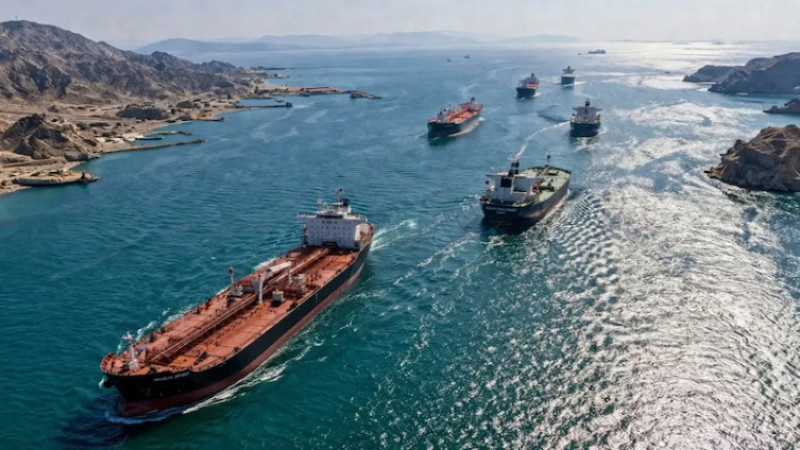
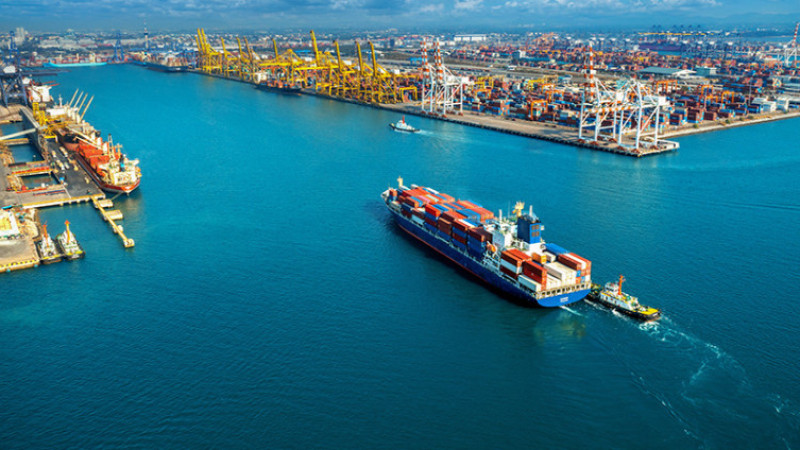
The broader impact on maritime shipping would not be limited to oil. Bab el-Mandeb is the southern gateway to the Red Sea and the Suez Canal, serving as a vital route for container cargo, dry bulk and energy shipments between Asia and Europe. During the Houthi attack campaign that began in late 2023, most major shipping companies rerouted their vessels around the southern tip of Africa, adding thousands of nautical miles to voyages while increasing freight costs, fuel consumption and insurance premiums.
A renewed wave of attacks would almost certainly accelerate the diversion of vessels around the Cape of Good Hope, delaying expectations for a broader return to Red Sea routes.
The seriousness of the threat has become even more pronounced as the four-year ceasefire between Saudi Arabia and the Houthis has collapsed. The Houthis launched missile attacks on Saudi Arabia after accusing Riyadh of carrying out strikes on an airport under their control.