



$100 Million Tanker Dispute Escalates Over Freight Index Lawsuit
The impact of the war in the Strait of Hormuz on tanker freight rates has triggered a dispute involving more than $100 million in claims over the publication of the TD3C index.

The implications of a lawsuit filed by a global commodity trading company against the Baltic Exchange are growing as hearings continue in London. A Norwegian tanker company closely following the case claims that it is owed more than $100 million in lost revenue and interest due to a chartering dispute between the parties.
At the centre of the dispute is the TD3C index, which is used to determine freight rates for oil tankers. The index is based on the cost of transporting crude oil to China from Saudi Arabia's Ras Tanura port. It is also used as a benchmark in numerous contracts between tanker owners and charterers, as well as in derivatives transactions worth billions of dollars.
The commodity trading company argues that the TD3C index should have been suspended from early March until 3 July due to the outbreak of the Iran war and the severe disruption to vessel traffic in the Strait of Hormuz. According to the company, security risks in the strait and interruptions to oil shipments undermined the reliability of the index.
The Baltic Exchange, however, maintains that freight risks could still be priced through broker assessments and defends its decision to continue publishing the index.
Claims Exceeding $100 Million
The Norwegian tanker company affected by the lawsuit alleges that payments under its charter agreement with the commodity trading company were reduced, resulting in mounting contractual arrears. The company's management says its total outstanding claims, including accrued charter income, losses and interest, have exceeded $100 million.
According to information disclosed in the company's stock exchange filings, an unnamed contractual counterparty owed $67.8 million as of the end of September. This amount is believed to have increased further as tanker freight rates continued to rise in October.
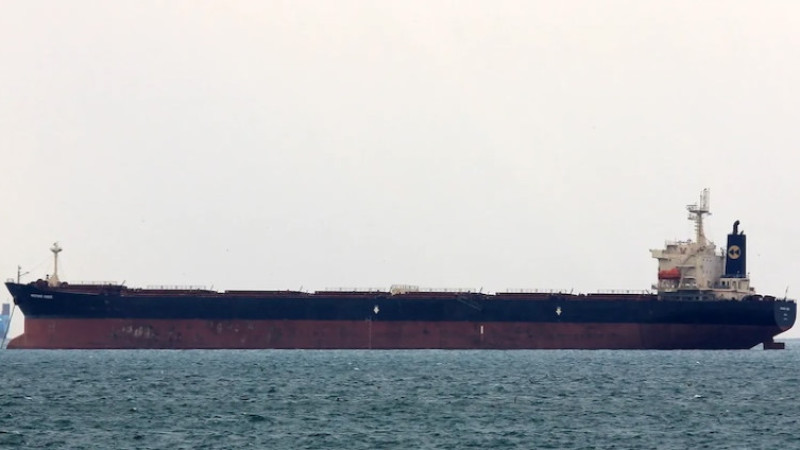
The vessel at the centre of the dispute is an approximately 10-year-old crude oil tanker operating under a time charter agreement valid until the first quarter of 2027.
According to evidence presented in court, the commodity trading company initially chartered the vessel at a fixed daily rate of $52,000 before leasing it to the Norwegian company. It subsequently chartered the vessel back at a floating rate linked to the TD3C index. The sharp rise in tanker freight rates following the outbreak of the war significantly widened the difference between the two charter rates.
The Norwegian company reported that its average daily time charter margin reached $401,172 in the second quarter. During the same period, its profit increased 13-fold year-on-year to $47 million.
Record Tanker Rates Increase the Stakes
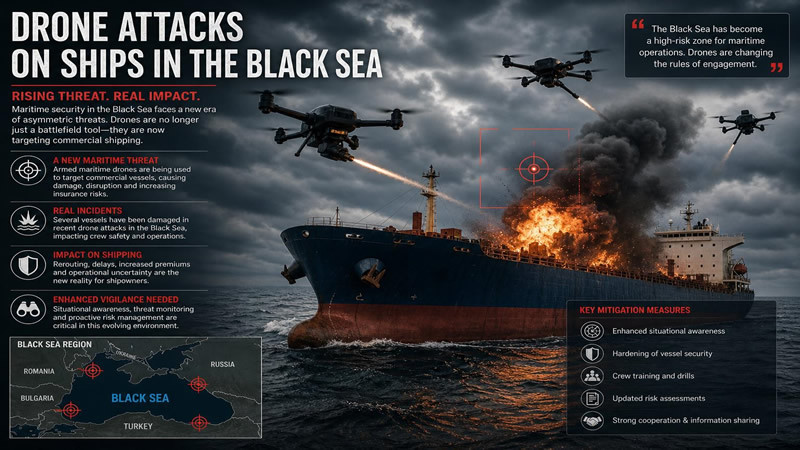
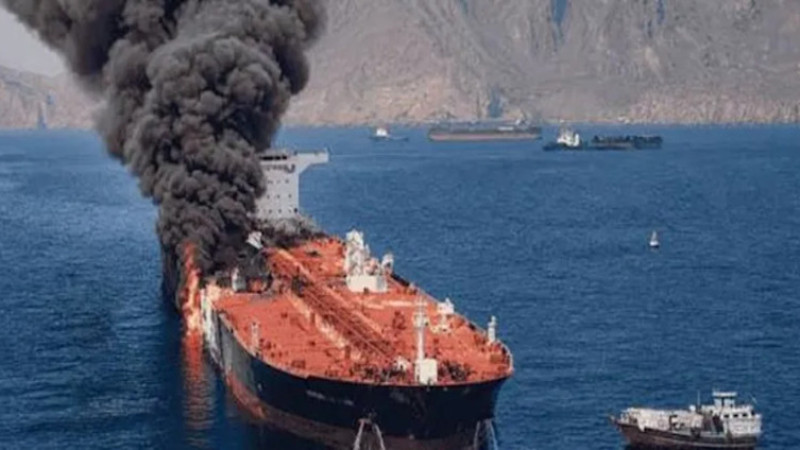
Attacks on maritime transport and security risks in the Strait of Hormuz pushed supertanker charter rates above $1 million per day. While companies continued transporting oil from the region under the threat of missile and drone attacks, tightening tanker availability drove freight rates to record levels.
As part of the lawsuit, the commodity trading company is asking the court to declare that the Baltic Exchange breached its obligations. However, the company has revised its demands several times during the proceedings.
Initially, it sought to have TD3C values published since March declared invalid and the index retrospectively suspended. In its latest request, however, the company is asking the court only to declare that the index should not have been published during the period in question.
The company also alleged that brokers were pressured over their freight assessments, while removing references to losses previously included in its legal submissions. It has not sought direct compensation from the Baltic Exchange.
The outcome of the case could affect numerous tanker charter agreements that use the index as a benchmark, as well as financial transactions worth billions of dollars. Meanwhile, it remains unclear how the proceedings will affect the arbitration launched by the Norwegian tanker company to recover the outstanding payments it claims it is owed.