
Hormuz tanker crisis drives freight rates to record levels
Security risks in the Strait of Hormuz are tightening tanker supply, while VLCC freight rates on the Persian Gulf–East Asia route have reached record levels, approaching $1.4 million per day.
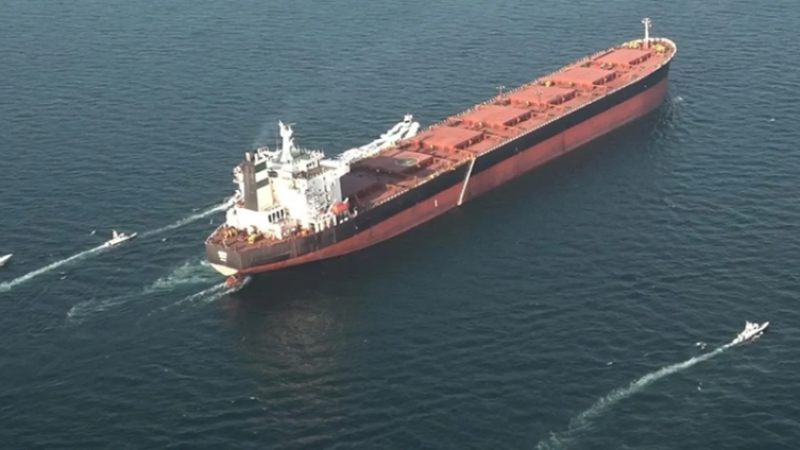

Security risks around the Strait of Hormuz have created a significant supply squeeze in the global tanker market. Super tankers seeking to capitalise on high freight rates are heading to the Middle East, reducing the number of vessels available on other routes and driving up transportation costs rapidly.
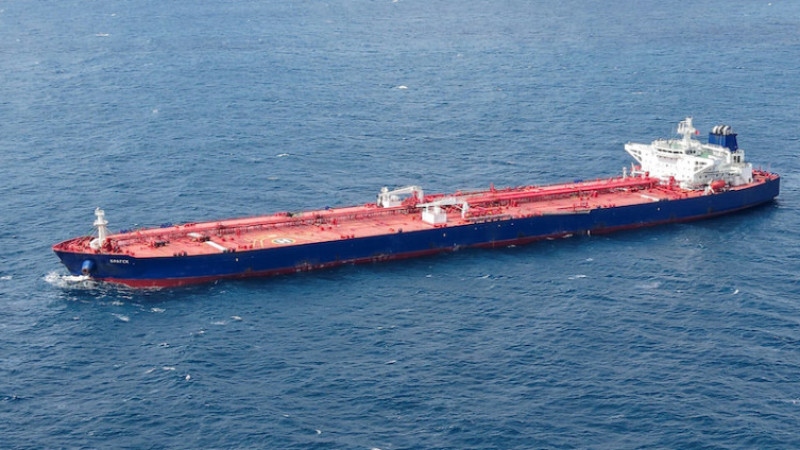
More than 40% of the world’s approximately 850 very large crude carriers (VLCCs) are located in the Persian Gulf or within a few days’ sailing distance of the region. This concentration is reducing the number of tankers available for routes to destinations such as the US Gulf, West Africa and Brazil, further tightening global supply.
Although oil flows through the Strait of Hormuz have approached pre-war levels, security pressures on vessel traffic remain. The number of commercial vessels transiting the strait fell to as few as seven on 7 October, its lowest level in two months. Crude oil volumes transported through Hormuz also declined by 27% from the wartime peak to approximately 10.1 million barrels per day.
Ship-to-ship transfers tighten tanker supply
Cargoes from tankers unwilling to transit the strait are being transferred to other vessels outside Hormuz, in the Gulf of Oman and at other transfer points in the region. While this approach helps prevent oil flows from stopping completely, it keeps tankers occupied for longer periods.
A slowdown in ship-to-ship transfers is also adding to pressure on the tanker market. Some transfer operations have declined due to attacks around Hormuz, while redirecting oil flows through alternative routes requires additional vessel capacity.
VLCC freight rates approach $1.4 million
For voyages from the Persian Gulf to East Asia, which take approximately three weeks, VLCC freight rates have climbed to around $1.4 million per day, reaching an all-time high. This represents an increase of approximately 540% compared with pre-war levels.
A freight offer of up to $82 million has also been made for a VLCC voyage from the US Gulf to Japan. This figure is more than 50% above the level recorded for the same route just three weeks earlier.
High VLCC freight rates are also driving activity in smaller tanker segments. As larger tankers head towards the Middle East, demand for Suezmax and Aframax vessels is increasing, particularly for oil shipments from the United States to Asia.
Security risks in the Strait of Hormuz, alternative transfer operations and longer vessel turnaround times in the region are tightening global vessel availability and pushing freight rates higher across other routes. As a result, a regional security crisis is developing into a widespread tanker supply squeeze in the global oil transportation market.