
Operational and Environmental Impact of Ballast Water Treatment Systems (BWTS) in Modern Shipping
Environmental Risks and Regulatory Framework
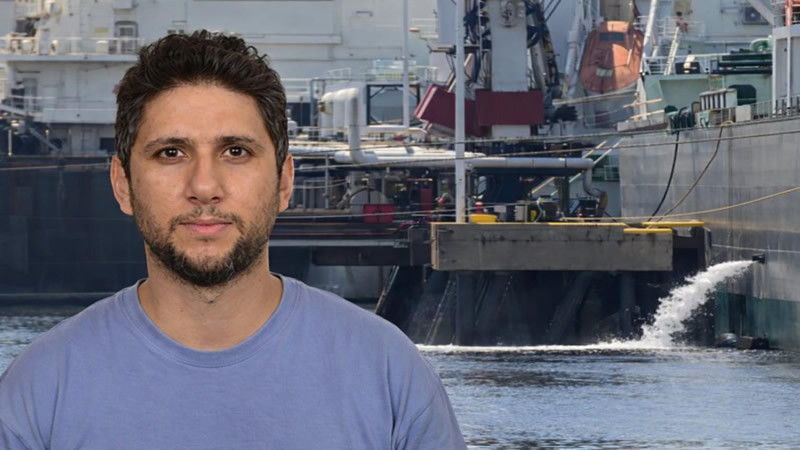

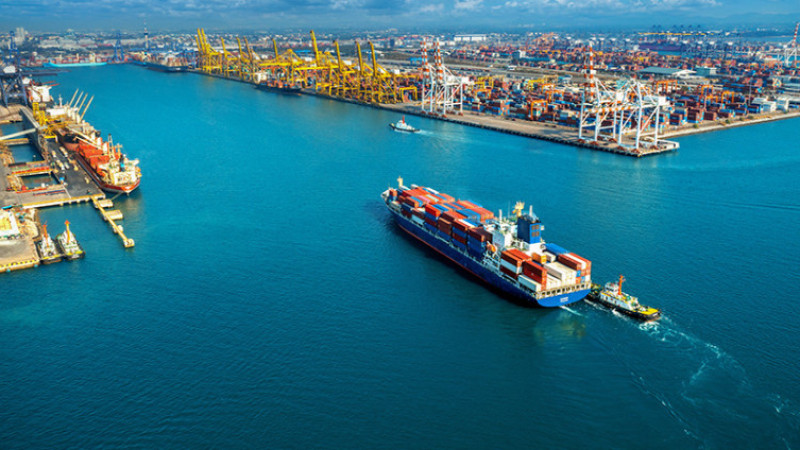
The maritime industry carries approximately 90% of global trade, making it a critical component of the world economy. However, this scale of operation also introduces significant environmental challenges, particularly in relation to ballast water management. Based on over 12 years of experience as a Master Mariner and current Marine Surveyor at SGS North America, I have observed that ballast water treatment systems (BWTS) play a vital role not only in environmental protection but also in operational compliance and risk management.
Ships take on and discharge ballast water to maintain stability depending on cargo conditions. During this process, water from one geographical region is transferred to another, often carrying microorganisms, plankton, and invasive species. This transfer has been widely recognized as a major environmental risk, capable of disrupting local ecosystems and causing long-term ecological and economic damage.
To address this issue, the International Maritime Organization (IMO) introduced the Ballast Water Management (BWM) Convention, making ballast water treatment mandatory. BWTS are designed to treat ballast water during intake and/or discharge, ensuring that harmful aquatic organisms are effectively neutralized before being released into new environments.
Modern BWTS typically combine physical and chemical treatment methods. Common technologies include ultraviolet (UV) treatment and electrochlorination. UV systems disrupt the DNA of microorganisms, preventing reproduction, while electrochlorination generates disinfectants within the water to eliminate living organisms. These technologies have proven effective in significantly reducing the transfer of invasive species across marine ecosystems.
Operational Challenges and Long-Term Benefits
From an operational perspective, however, BWTS performance is highly dependent on environmental conditions. During several onboard surveys, I have observed that factors such as high turbidity, varying salinity, and low water temperatures can significantly reduce system efficiency. In some cases, improper operation or lack of crew familiarity with the system has led to non-compliance risks during Port State Control (PSC) inspections.
In addition, BWTS introduce operational challenges including increased energy consumption, maintenance requirements, and system reliability concerns. Failures or inefficiencies in the system may result not only in environmental non-compliance but also in delays, inspections, and potential detentions, directly impacting vessel operations and commercial performance.
Despite these challenges, the long-term benefits of BWTS far outweigh the operational constraints. These systems are essential for protecting marine biodiversity, ensuring regulatory compliance, and supporting sustainable shipping practices.
In conclusion, effective operation of ballast water treatment systems is not only an environmental obligation but also a critical compliance factor. Maritime professionals must ensure proper system management, crew training, and operational awareness to minimize risks and maintain compliance with international regulations. BWTS should be viewed not merely as a regulatory requirement, but as an integral part of modern, responsible, and sustainable maritime operations.
Burhan Gül
Master Mariner | Marine Surveyor, SGS North America