



Increase in Alternative-Fuel Ship Orders
According to DNV data, influenced by shipowners moving away from methanol—which was once popular—LNG and LPG dual-fuel ship contracts continue to maintain their weight in the market.

In April, DNV recorded 38 contracts for ships designed to use alternative fuels. This figure was only five in March and 17 ships in February.
However, the total number remained 11 ships lower compared to the 49 contracts awarded in April last year. With the latest figures, excluding LNG carriers, the total since the beginning of the year has reached 84 ships.
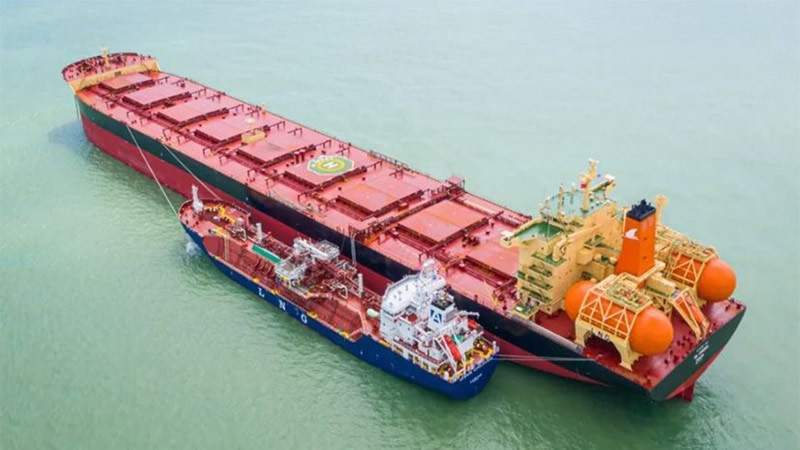
LNG and LPG continue to stand out among alternative fuel preferences with 20 and 14 new orders respectively. Four orders were placed for bulk carriers that will use ammonia as fuel, while no contracts were signed for methanol-fueled ships in April. Thus, the total since the beginning of the year remained at only three.
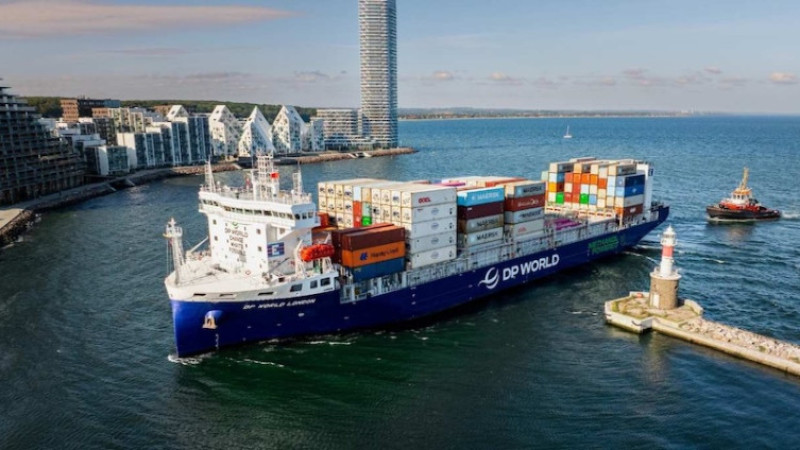
The classification society noted that the contracts spread across a wider range of ship types. New orders included vehicle carriers, container ships, cruise ships, and tankers.
Nevertheless, ships operating on alternative fuels still make up only a very small share of the operational fleet, with the ratio remaining just above 1 percent. The majority of this consists of LNG-fueled ships, with a total share of 0.8 percent.
When the order book is also taken into account, however, a more positive picture emerges. Alternative-fuel ships account for about 15 percent of the order book by number, while LNG holds around an 8 percent share (again excluding LNG carriers). Methanol ranks second with a share just below 4 percent.
Throughout this decade, growth in alternative-fuel ship contracts has reached remarkable levels. The total number of ships in operation or on order rose from 190 in 2020 to 2,474 as of April, increasing more than twelvefold.
Despite intense lobbying efforts by the U.S. and some oil states against the IMO, observers believe that the outcome of the recently held MEPC 84 meeting was generally positive, and that this is expected to further support acceleration in contracts for ships using alternative fuels.