
Iranian Oil Supply Crunch Puts Pressure on Tanker Trade
Tightening Iranian crude supply is pushing prices higher while disrupting tanker operations, STS transfers and shipping routes to China amid rising sanctions and security risks.

Tightening Iranian oil supply is pushing prices higher in Asian markets while also causing significant disruptions to seaborne crude oil shipments. Increased U.S. pressure on Iran and reduced maritime traffic through the Strait of Hormuz are making it more difficult to transport Iranian oil to China, complicating tanker operations.
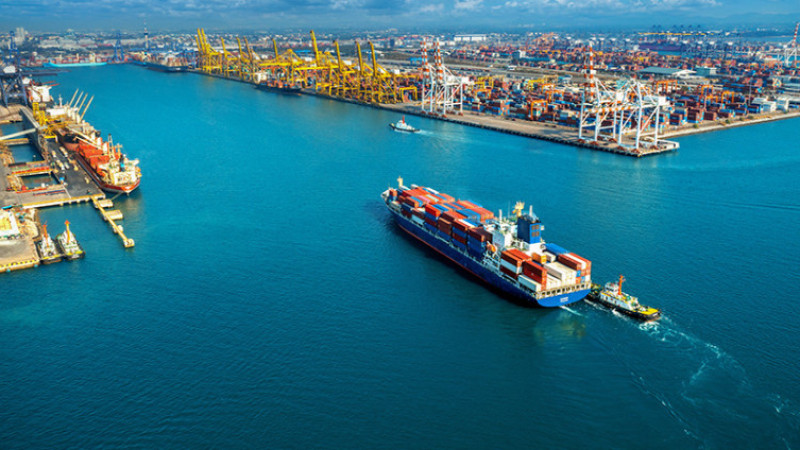
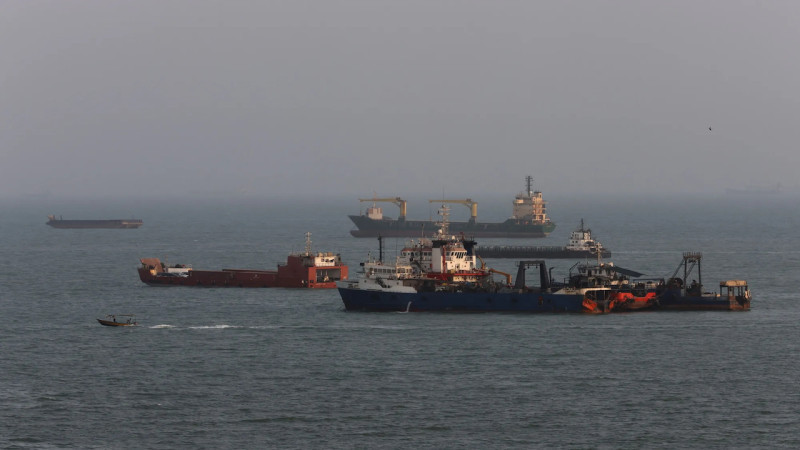
According to Kpler data, floating oil inventories in Asia are declining, while a significant portion of Iranian crude remains held on tankers. In particular, anchorage areas and ship-to-ship (STS) transfer zones around Singapore have become critical hubs for transporting Iranian oil to China. Tankers transfer their cargoes to other vessels in these areas, allowing shipments to continue without making direct port calls.
China, the largest buyer of Iranian oil, is being directly affected by the tightening supply. The decline in Iranian crude deliveries is prompting independent Chinese refineries to turn to alternative suppliers such as Brazil and Iraq. The use of longer trading routes is also increasing tanker demand and ton-mile requirements.
The Strait of Hormuz remains one of the key risk points for maritime transport. As a strategically important passage for global oil trade, the low number of vessel transits through the strait is directly affecting crude oil tanker voyage planning and loading schedules. In addition to security risks, tanker operators are facing longer waiting times, route changes and higher operating costs.
A significant decline in tanker activity at Iran's Kharg Island oil terminal, one of the country's main export hubs, is also weakening the outlook for seaborne exports. Disruptions to loading operations at the terminal are affecting not only Iran's export capacity but also tanker loading schedules.
Iranian Oil Shifts from Discount to Premium
The tightening supply is already being reflected in oil prices. Iranian light crude was previously offered at a discount to Brent, but the price differential has reversed as supply has tightened. Offers for Iranian Light have risen to around $3.50 per barrel above Brent.
The shift is allowing Iran to demand higher prices for its limited available crude while prompting Chinese buyers to seek alternative sources. Longer-distance tanker voyages from alternative supply points could increase ton-mile demand in the maritime transport sector.
Sanctions Pressure Could Also Affect Tanker Operations
U.S. Treasury Secretary Scott Bessent's statements that new and more comprehensive economic measures against Iran are being prepared have also increased uncertainty in the market. Any new sanctions could put additional pressure not only on companies purchasing Iranian oil but also on tanker operators, ports, ship agents and financial networks.
As China remains the main buyer of Iranian oil, sanctions risks are expected to have a particular impact on independent refineries and the tanker fleet transporting Iranian crude. If direct shipments become more difficult, increased STS operations, longer tanker waiting times at anchorages and the use of alternative routes could come into play.
The latest developments show that tightening Iranian oil supply is affecting not only crude oil prices but also tanker operations, freight costs and the overall flow of maritime trade in the region.