

Von der Leyen Calls for Stronger Black Sea Cooperation
Ursula von der Leyen welcomed stronger maritime cooperation between Romania, Bulgaria and Türkiye, announcing €50 million in funding for the Black Sea Security Centre.
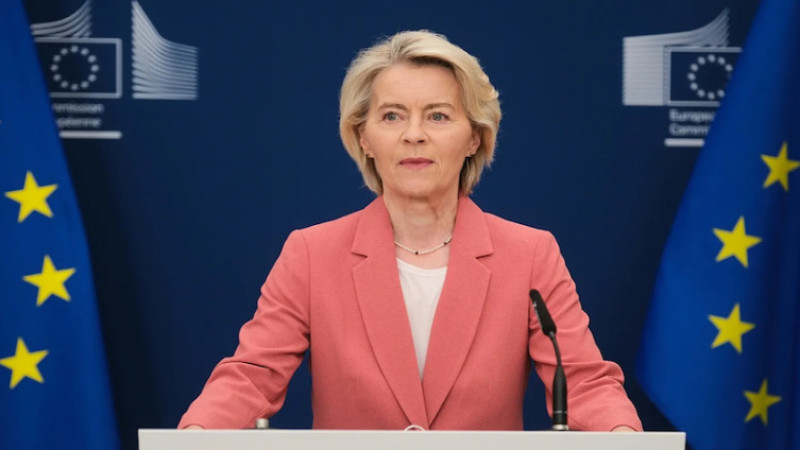

European Commission President Ursula von der Leyen met with Romanian President Nicușor Dan during the first stop of her Black Sea tour in Romania, where they held a joint press conference.
Emphasising that security in the Black Sea is important not only for Romania but also for Europe, President Dan said: “If we are talking about the war in Ukraine and the reconstruction of the country, we cannot speak of lasting peace or an effective reconstruction process in Ukraine without a secure Black Sea.”
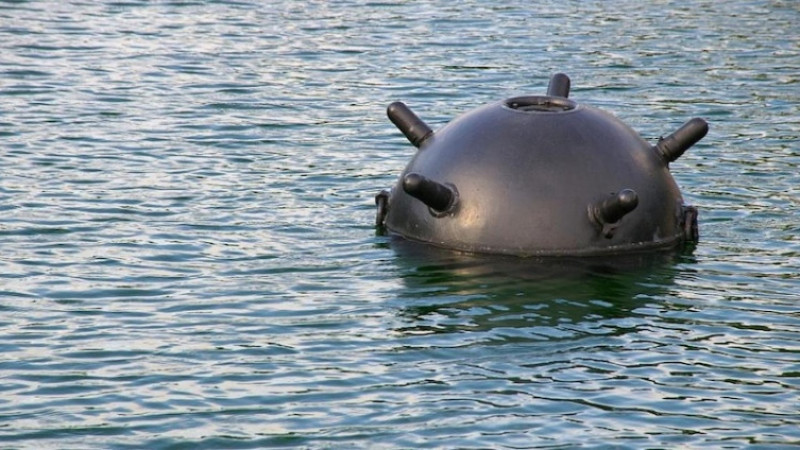
Pointing out that numerous incidents had occurred in the Black Sea recently, Dan said: “All of these are different elements of hybrid warfare. Russia is clearly trying to escalate the war it started in Ukraine five years ago and draw European countries into the conflict.”
Dan noted that he had discussed with von der Leyen the need for Europe to take a stronger role in the Black Sea. He said the Black Sea Security Centre, launched by Romania and Bulgaria, was planned to be implemented in practical terms with EU support.
“You can count on a strong and united European response”
Von der Leyen said Romania was on the front line of European security and was also a critical NATO partner.
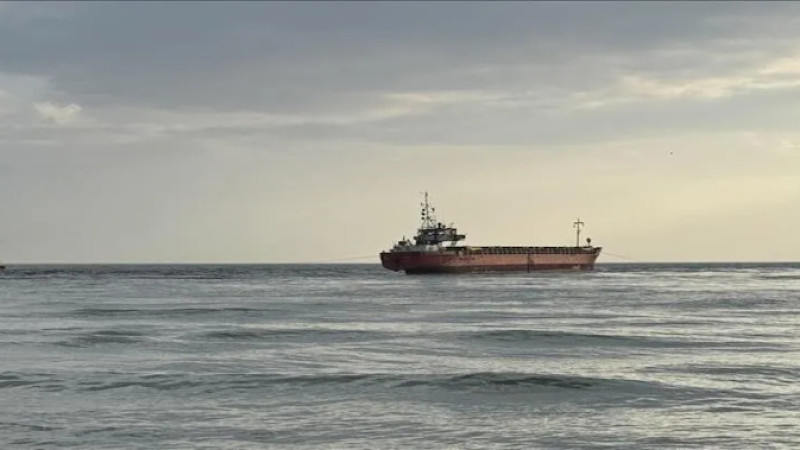
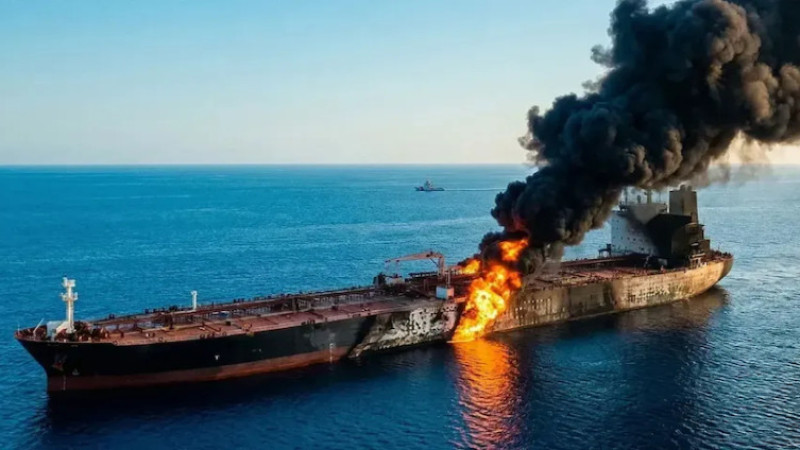
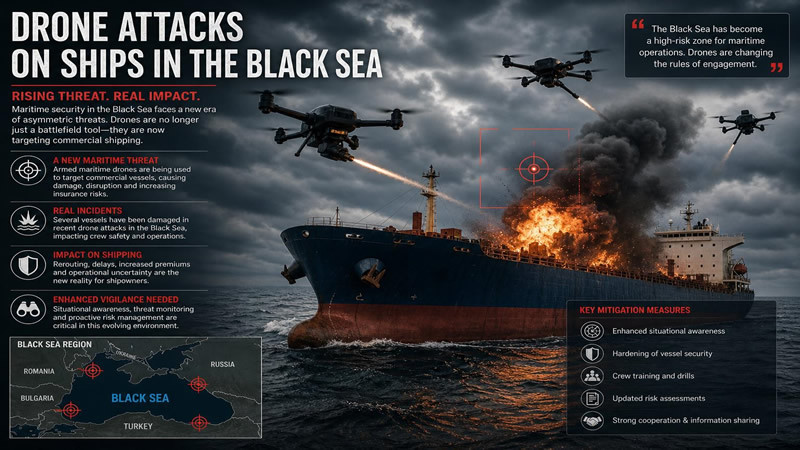
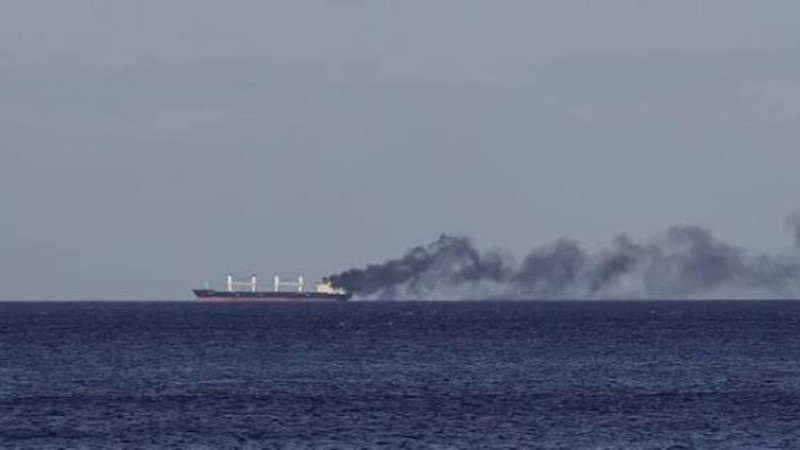
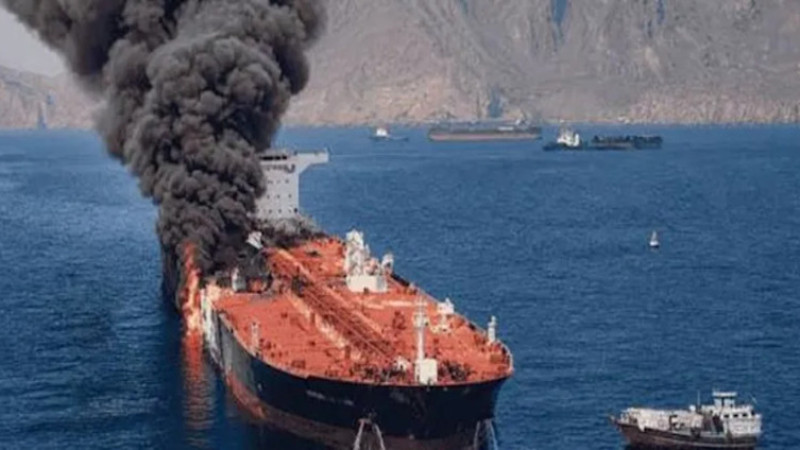
Noting that merchant vessels off the Romanian coast had been targeted by drones in recent weeks and that seafarers had lost their lives, von der Leyen said: “We stand with Romania. You can count on a strong and united European response.”
Stating that freedom of navigation in the Black Sea must be restored and protected, von der Leyen said: “The Black Sea is a vital trade route for Europe, the Ukrainian economy and global food security. Millions of people, many of them in Africa, depend on these food supplies.”
Von der Leyen said surveillance in the Black Sea needed to be strengthened and that satellite imagery provided by the EU’s Copernicus programme could contribute to these efforts. She added that Europe would continue to combat disinformation and support joint defence projects.
Von der Leyen said Romania was being encouraged to use the EU’s common defence fund to invest in the capabilities it needed to better protect the Black Sea. “Today, I am pleased to announce an additional €10 million in funding for the Romanian authorities for search and rescue operations. This funding will support the capacity to respond to incidents quickly and effectively,” she said.
In her remarks, von der Leyen pointed to the rapid deterioration of security in the Black Sea. “In this context, I welcome the strengthening of maritime cooperation between Romania, Bulgaria and Türkiye. When it comes to defence and security, we must act with a sense of urgency,” she said.
Von der Leyen announced that efforts to accelerate the work of the Black Sea Security Centre, which is intended to include Türkiye, Ukraine and Moldova as regional partners, would continue. “There will be a clear timeline for completing this initiative and €50 million in dedicated funding for this purpose,” she said.
Zelenskyy seeks support from European partners in peace talks
Asked about ongoing discussions concerning a possible peace agreement in Ukraine and its implications for European security, von der Leyen said: “Ukrainian President Volodymyr Zelenskyy has asked for the support of European partners in the peace talks. Of course, we are providing him with that support. The focus of the peace talks is to end Russia’s war in Ukraine. That must be the objective. We are working on a post-war prosperity plan to ensure Ukraine’s stability and reconstruction. The peace talks also address the security guarantees that will be provided to Ukraine in the post-war period.”
Von der Leyen added: “However, I want to be clear about one point. Discussions about Europe’s security architecture can only take place after a ceasefire in Ukraine. These discussions should be held on an appropriate platform, particularly with the participation of NATO allies and EU member states.”