
US Imposes ‘Extra Load’ on Ships
The United States has announced a plan to introduce port fees for foreign vessels. If implemented, these charges could reshape shipping routes, multiply freight costs, and trigger a new wave of tensions in global trade.

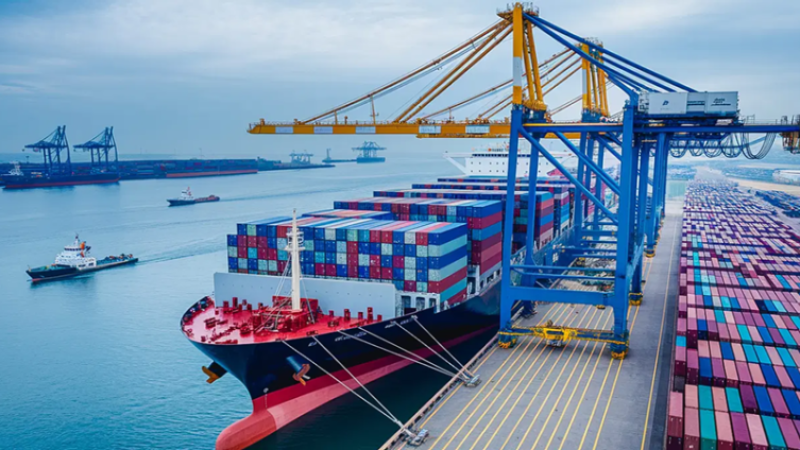
After the US and China suspended reciprocal cargo fees in November 2025, easing maritime frictions, the White House’s new proposal is raising concerns once again. By planning to impose port fees on non-US-built ships, Washington could alter the balance of global maritime transport. Industry representatives warn that the measure may dramatically increase freight costs and disrupt international trade.
“America’s Maritime Action Plan”
The White House unveiled the “America’s Maritime Action Plan,” which foresees a universal infrastructure or security fee for all cargo entering the US. The goal is to revive the domestic shipbuilding industry and establish a strategic commercial fleet.
Fees of 1 to 25 cents per kilogram
Under the plan, cargo carried on non-US-built ships would be subject to a fee ranging from 1 to 25 cents per kilogram. This translates to $10–250 per ton. The White House estimates revenue potential of $66 billion over 10 years in the low scenario, and up to $1.5 trillion in the high scenario. Funds would be transferred to a “Maritime Security Trust Fund” to support US shipyards.
International Chamber of Shipping opposes
The International Chamber of Shipping (ICS), representing more than 80% of the world’s commercial fleet, expressed support for strengthening US maritime capacity but opposed the port fees. According to ICS, such measures could distort trade, fuel inflationary pressures, and increase the risk of retaliation.
Freight rates may spike
Although tensions eased after the suspension of US-China cargo fees in late 2025, the new plan could once again redirect trade flows if enacted. Anticipated higher costs may push some cargoes toward alternative markets or force contract renegotiations. Short-term freight spikes and volatility in the spot market are likely.
Impact on energy and commodities
The proposal’s impact could be particularly striking in energy and commodity shipping. For example, on the Caribbean–US Gulf route, an Aframax tanker currently pays about $32 per ton in freight. Even under the lowest fee scenario, costs could rise by 30%. If the upper band is applied, total transport costs could increase nearly eightfold. This would reshape cost structures for US importers and exporters across petroleum products, biofuels, and agricultural commodities. Industry representatives stress that timing and final rates will be decisive. The plan requires congressional approval and is expected to be legislated under the FY2027 budget. Yet markets are already debating a looming “cost shock.”
Strategic fleet and autonomous ships
The 37-page action plan goes beyond fee regulation. It aims to expand US shipbuilding capacity, introduce liberalization measures, and establish a US-built Strategic Commercial Fleet for international routes. Currently, only eight shipyards in the country can build vessels larger than 400 feet. The plan also envisions regulatory infrastructure for autonomous and unmanned ships. The US Coast Guard would designate test areas, certify remote control centers, and develop backup sensor systems for complex port operations. However, issues such as insurance, liability, and emergency response remain unresolved.