New Zealand Slaps Sanctions on 100 Russian ‘Shadow Fleet’ Vessels
Has delivered one of its most sweeping sanctions packages against Russia’s maritime operations, designating 100 vessels and slashing the oil price cap to its lowest level yet in a coordinated effort to choke off funding for Moscow’s ongoing war in Ukraine
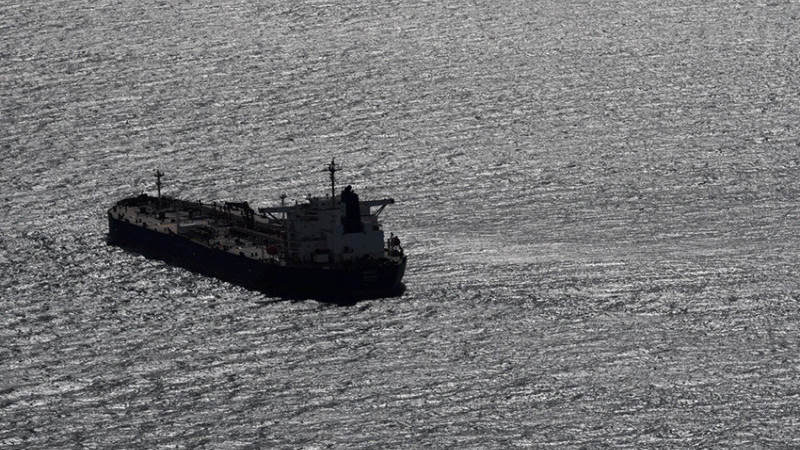

On Friday, New Zealand’s Ministry of Foreign Affairs & Trade amended its Russia Sanctions Regulations to target 23 individuals, 13 entities, and a record-breaking 100 vessels involved in what officials describe as Russia’s “shadow fleet” operations. The move represents the largest single-day vessel designation in New Zealand’s sanctions history since the Russia Sanctions Act was passed by Parliament in March 2022.
The regulations also lowered the price cap on Russian-origin crude oil from $47.60 per barrel to $44.10 per barrel, matching the recently lowered EU and UK cap, marking the third reduction since the price cap mechanism was implemented in February 2024. The cap had previously been reduced from $60 to $47.60 in September 2025.
New Zealand’s sanctions regime has evolved significantly since its inception. The country first introduced vessel-specific sanctions in June 2025, when it sanctioned 27 ships and created a new category of restricted vessels under Regulation 8. By October 2025, an additional 64 vessels had been added to the sanctions list, followed by 19 more vessels in September 2025. The latest sanctions bring the total number of vessel designations to 210 vessels.
The latest designations come as international pressure mounts on Russia’s ability to export oil and evade Western sanctions. New Zealand has consistently aligned its sanctions policy with G7-plus partners, implementing the oil price cap mechanism in early 2024 and progressively expanding its list of prohibited exports and sanctioned entities.
Since the Russia Sanctions Act entered into force in March 2022, New Zealand has designated hundreds of individuals and entities across multiple sectors. The sanctions have targeted Russian political and military elites, oligarchs, financial institutions, defense contractors, and entities involved in disinformation campaigns. The country has also sanctioned actors from Belarus, Iran, and North Korea for their support of Russia’s military operations.
The regulations were extended in February 2025 for an additional three years until March 2028, signaling Wellington’s long-term commitment to maintaining pressure on Moscow. A statutory review of the Russia Sanctions Act was presented to Parliament in November 2025, providing lawmakers with an assessment of the sanctions regime’s effectiveness and implementation.
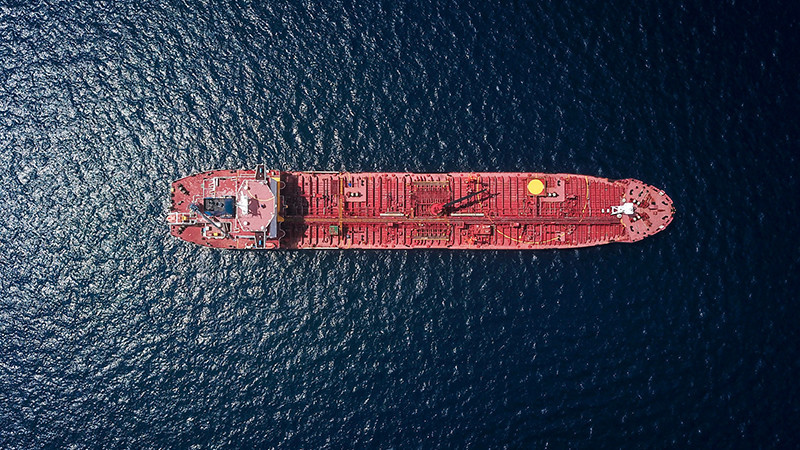
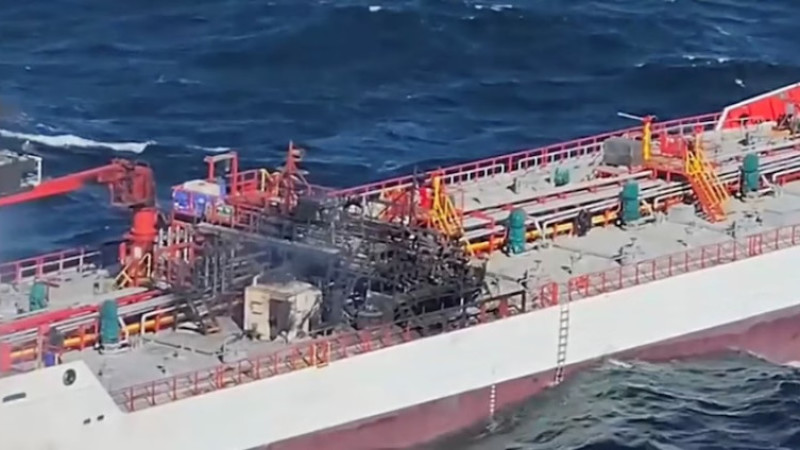
Maritime industry observers note that the 100-vessel designation significantly expands the scope of New Zealand’s sanctions enforcement, potentially complicating logistics for tankers attempting to transport Russian crude through international waters. The vessels now face asset freezes and are prohibited from entering New Zealand territorial waters, while New Zealand persons and entities are barred from providing services or conducting transactions with the designated ships.
The move comes amid broader international efforts to disrupt Russia’s shadow fleet operations, with multiple countries pursuing similar vessel designations and enforcement actions against tankers suspected of violating sanctions or operating outside established maritime regulations.