


U.S. and Iran Advance Interim Deal on Hormuz and Nuclear Talks
The U.S. and Iran are moving toward a temporary deal to extend the ceasefire, reopen the Strait of Hormuz, and continue nuclear negotiations.

The United States and Iran are reportedly making significant progress toward a temporary agreement aimed at easing the conflict in the Middle East. According to the draft, the ceasefire would be extended by about two more months, and the parties would move toward more comprehensive negotiations regarding Iran’s nuclear program.
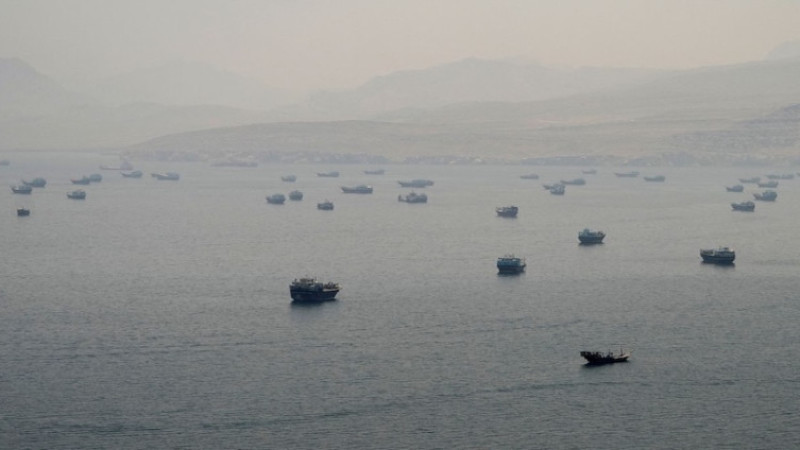
One of the most critical points of the agreement is the reopening of the Strait of Hormuz to commercial shipping traffic. It is claimed that the United States would allow free passage for commercial vessels, ease certain sanctions on Iran, and lift its blockade on Iranian ports. In return, Iran is expected to relax its control over the strait.
The text highlights that the process is highly significant for global energy markets, as the Strait of Hormuz handles around one-fifth of global oil and LNG shipments. Although shipping traffic, which had declined due to the conflict, has increased in recent weeks, it is still well below pre-war levels.
For the agreement to take effect, it must be approved by Iran’s Supreme Leader. However, political uncertainties and communication difficulties are slowing the process. While Iran’s side states that “no final conclusion has been reached,” it is also reported that the draft is largely complete.
Markets have reacted to expectations of a deal; oil prices have declined while global stock markets have risen, indicating that investors are pricing in a diplomatic solution rather than continued conflict.
The draft is also said to include notable provisions such as the release of part of Iran’s frozen foreign assets, the withdrawal of some U.S. military presence from certain areas, and reconstruction plans.
However, Israel’s exclusion from the negotiations and its cautious stance remain key risk factors. Recent mutual attacks also show that the situation is still highly fragile.