
Shipment Crisis in Hormuz: Tankers Pile Up, Flow Nears Standstill
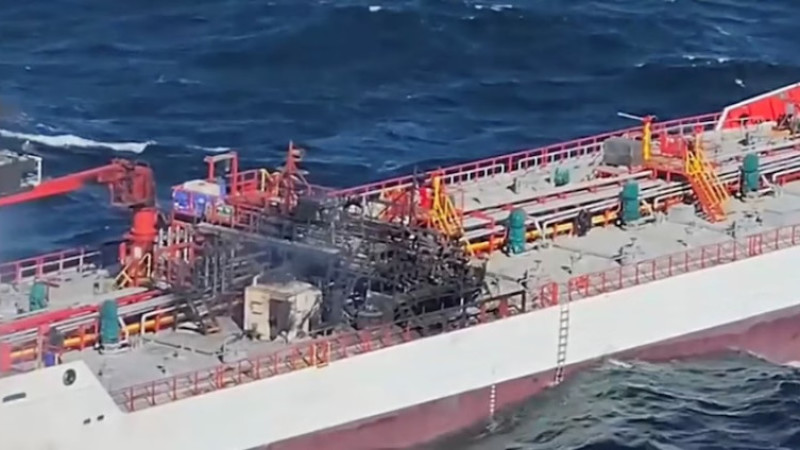
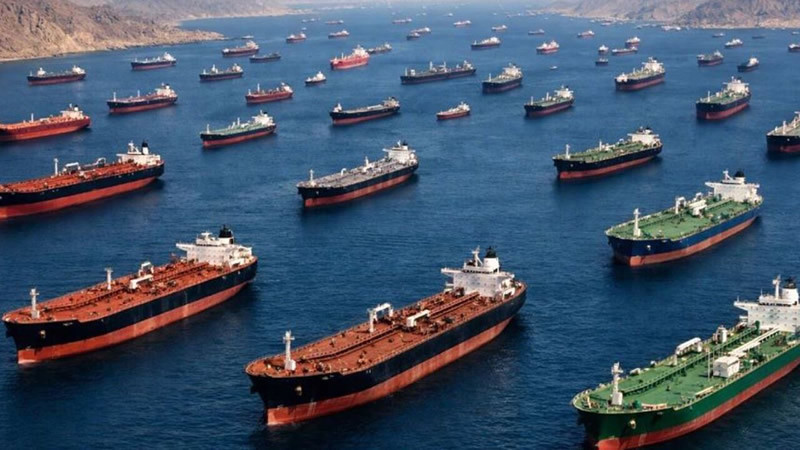
After U.S.-Israeli strikes, security risks in the Strait of Hormuz have risen to critical levels. As oil flows approach a standstill, hundreds of tankers have piled up on both sides of the strait.

lobal Energy Lifeline Blocked
The Strait of Hormuz connects the Persian Gulf to the Gulf of Oman and the Indian Ocean, carrying around 20 million barrels of oil per day—about 20% of global consumption. A significant share of Saudi, Emirati, Iraqi, Kuwaiti, and Iranian oil passes through this narrow channel en route to China, India, Japan, and South Korea.
Recent developments, however, have disrupted this flow dramatically. According to data provider Kpler, daily transit volumes that stood at 21 million barrels on February 27–28 fell to just 3 tankers and 2.8 million barrels on March 1. This represents a steep 86% drop compared to the average.
Over 700 Tankers Waiting
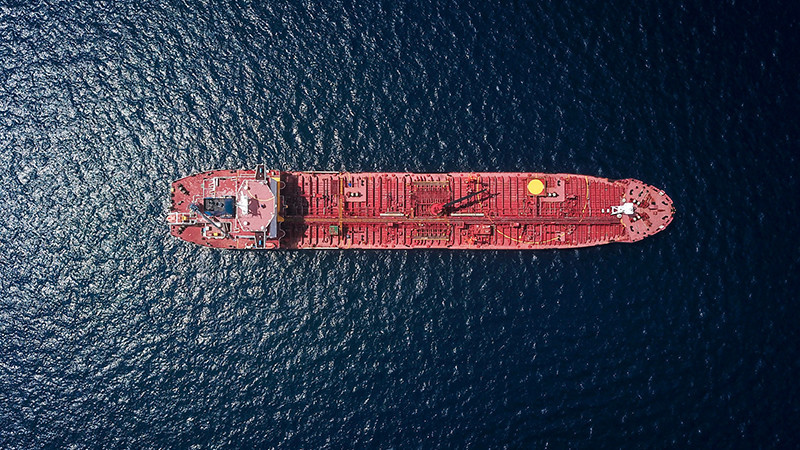
As of today, 706 non-Iranian tankers are stranded around the strait. Of these, 334 are carrying crude oil, 109 dirty petroleum products, and 263 clean petroleum products. Vessels are clustered across the Persian Gulf, Gulf of Oman, and Arabian Sea.
Rising insurance costs and heightened security risks have prompted many operators to suspend transits. While loading continues within the Gulf, eastbound departures have slowed, raising the risk of delivery delays and surging freight rates.
Energy Shock Looming
Reports suggest that Iran’s Revolutionary Guard has warned ships they will not be granted passage, though no official closure has been declared. The UK Maritime Trade Operations (UKMTO) has nonetheless raised its maritime security risk level to “critical.”
Experts warn that if the blockage persists, global oil prices could swing sharply, triggering a new supply crisis. Such a disruption would not only affect the region but could evolve into a full-scale energy shock with direct consequences for the world economy.