
Russia’s Strategic Advantage: The Northern Sea Route
Global shipping is being reshaped by climate change and demand for Russian energy. The Northern Sea Route (NSR) is becoming more accessible as ice melts, cutting transit time between Rotterdam and Yokohama.

Yet, this new corridor raises questions about Western involvement.
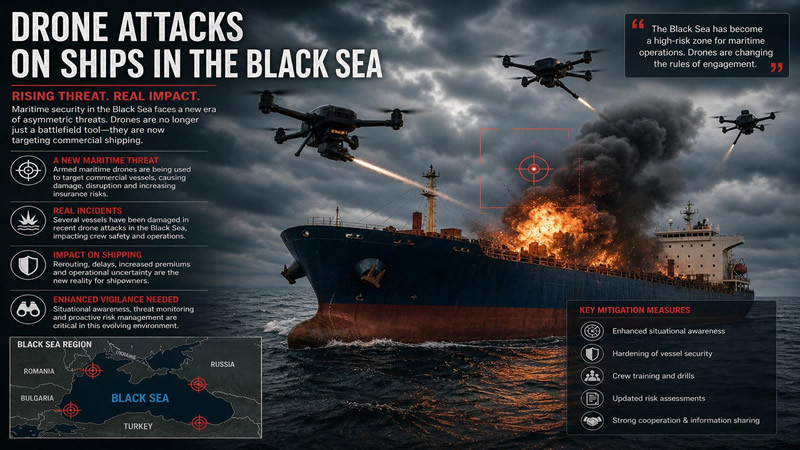
Historically, critical shipping lanes like the Suez Canal and the Strait of Hormuz have been vulnerable to geopolitical tensions. Recent missile attacks in the Red Sea exemplify the increasing risks posed by state-sponsored threats to commercial shipping, as highlighted by the Houthi terrorists. This dynamic underscores the fragility of global supply chains at these crucial choke points, where a blockade could provoke military responses, as seen in past crises.
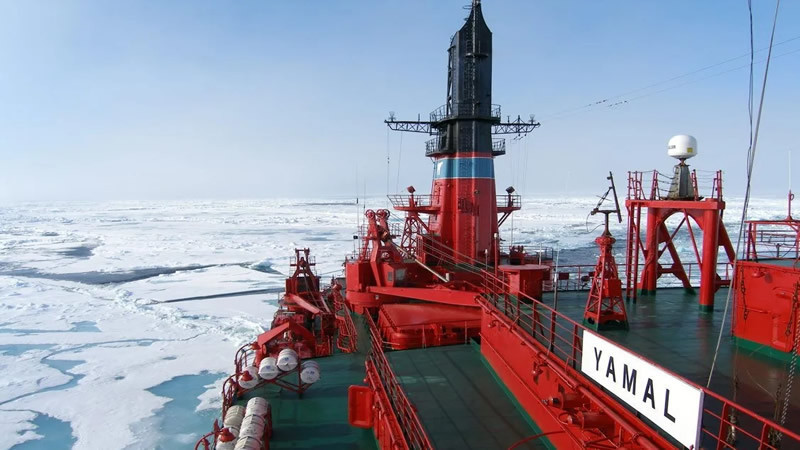
With climate change causing the Arctic ice to recede, the NSR has become a more viable alternative for trade between Europe and Asia. The distance reduction via this route from approximately 21,500 to 11,900 kilometers makes it commercially attractive, particularly highlighted by the Suez Canal blockage in 2021. However, the geopolitical tensions surrounding Russia, particularly following its invasion of Ukraine, complicate its potential as a Western-friendly route.
Prior to the war, extensive investments were made in developing the NSR, with projections of significant increases in traffic—up to 240 million metric tons by 2035. Russia’s plans hinged on expanding its energy exports, particularly liquefied natural gas (LNG), but as Western sanctions imposed limits on its commerce, unexpected shifts occurred. Despite a decline in Western participation, traffic surged due to redirected shipments to Asia.
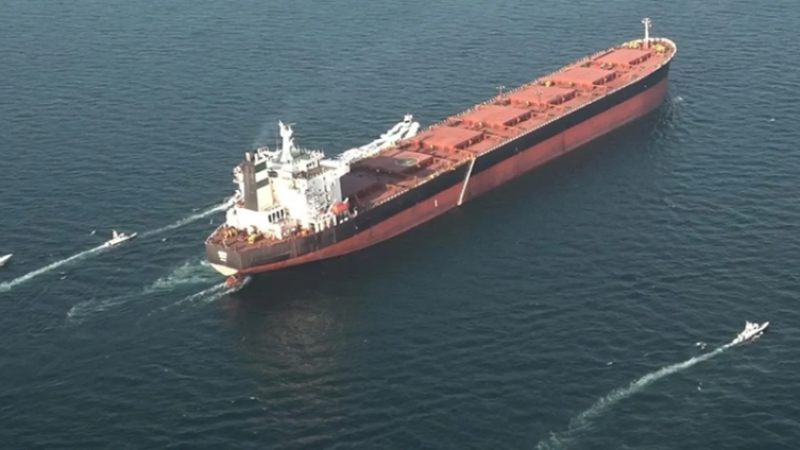
Notably, China’s eagerness to secure Russian energy supplies has solidified a strong partnership between the two nations. As Russia pivots its energy exports towards Asia, particularly with crude oil and LNG, it also faces environmental challenges due to the development of a “shadow fleet” of non-compliant vessels operating under lax regulations.
Looking ahead, two scenarios unfold. The first posits a resolution to the Ukraine conflict, spurring renewed commercial interest in the NSR and increased traffic. However, uncertainties regarding Arctic climate conditions, shipping costs, and insurance needs caution against assuming a straightforward path to growth.
The alternative outlook suggests a protracted conflict, deterring Western reevaluation of the NSR. Increased collaboration between Russia, China, and India leads to a geopolitical landscape where these countries exploit Russian energy assets. The establishment of a shadow fleet further threatens global maritime compliance.
Ultimately, the future of the Northern Sea Route lies at the intersection of climate change, energy demands, and geopolitical tensions. While potential exists for significant economic development through this Arctic passage, the exclusion of Western nations and the growth of questionable maritime practices pose considerable risks that will likely define its trajectory moving forward.