


Return to Normal in Hormuz May Take Time
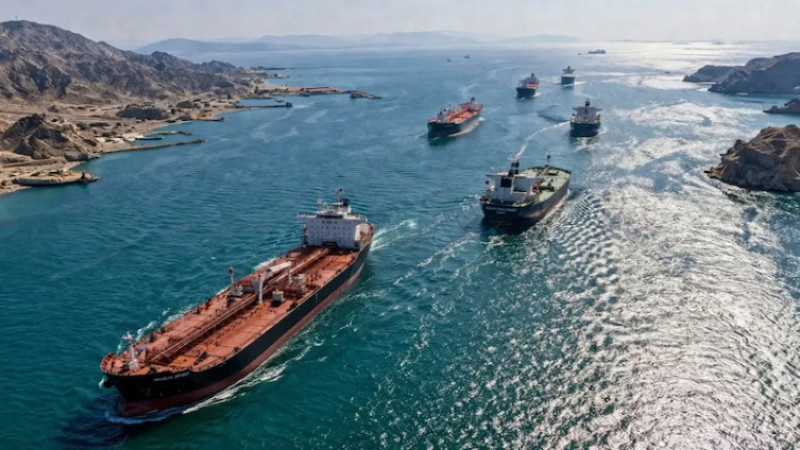
While statements suggesting an end to tensions between the United States and Iran have boosted optimism in energy markets, experts warn that a full normalization of trade through the Strait of Hormuz could take months.
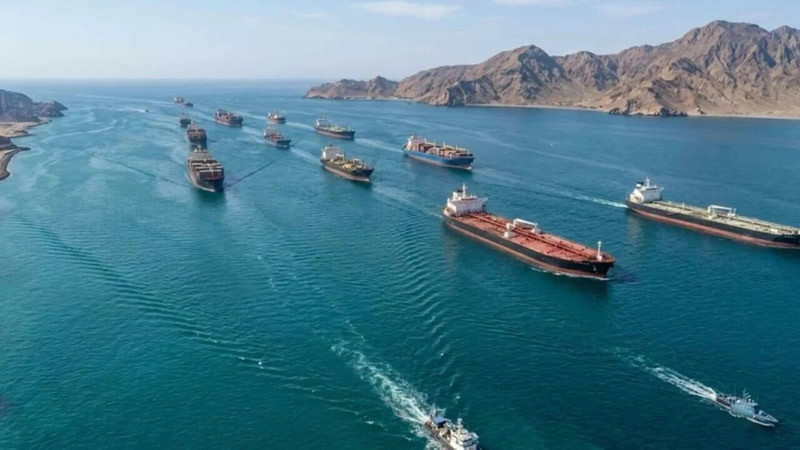

Expectations of easing geopolitical tensions have fueled hopes of lower oil and natural gas prices. However, industry experts note that restoring supply chains and rebuilding commercial confidence will not happen overnight. Although the agreement is expected to reduce pressure on energy supplies, shipowners, insurers, and refiners may take considerably longer to return to their previous operating patterns.
According to analysts, many energy buyers have already adapted to months of disruption by securing alternative suppliers, developing new logistics networks, and establishing different shipping routes. As a result, the reopening of the Strait of Hormuz does not necessarily mean an immediate return to pre-conflict trade conditions.
“Reopening the Strait and Restoring Trade Are Not the Same”
Haris Khurshid, Chief Investment Officer at Karobaar Capital, said that markets tend to view the reopening of the Strait of Hormuz as if someone were simply flipping a switch, whereas in reality it is a gradual process.
“Physical flows can resume relatively quickly, but trust usually does not,” Khurshid said. “The reopening of the strait and the normalization of trade flows are two different things. Many buyers have spent months securing alternative routes, suppliers, and inventories. They may not immediately return to the Strait of Hormuz once it reopens.”
“The Damage Cannot Be Repaired Overnight”
Priyanka Sachdeva, Analyst at Phillip Nova, emphasized that the end of the conflict does not erase the economic consequences of the crisis.
“Even if oil flows through the Strait of Hormuz gradually return to normal, the damage that has already been done cannot be repaired overnight,” Sachdeva said. “This includes not only physical damage to energy infrastructure but also the economic challenges faced by oil-importing economies that have endured months of elevated energy costs.”
Operational Challenges Remain
Charu Chanana, Chief Investment Strategist at Saxo Markets, noted that while markets have reacted positively to headlines about the reopening of Hormuz, operational realities remain far more complex.
According to Chanana, mine-clearing operations, elevated marine and war-risk insurance premiums, port congestion, and ongoing geopolitical uncertainties could slow the normalization process and prevent energy markets from returning to pre-crisis conditions as quickly as investors expect.
Analysts believe that although oil prices may ease in the near term, market participants will continue to closely monitor security concerns, insurance costs, and logistical challenges in the months ahead. Consequently, while news of the Strait of Hormuz reopening has improved market sentiment, a full return to normality in global energy trade is expected to take considerably longer.