
PGE Tugs: From Engineering to Shipowning, A Strategic Success Story
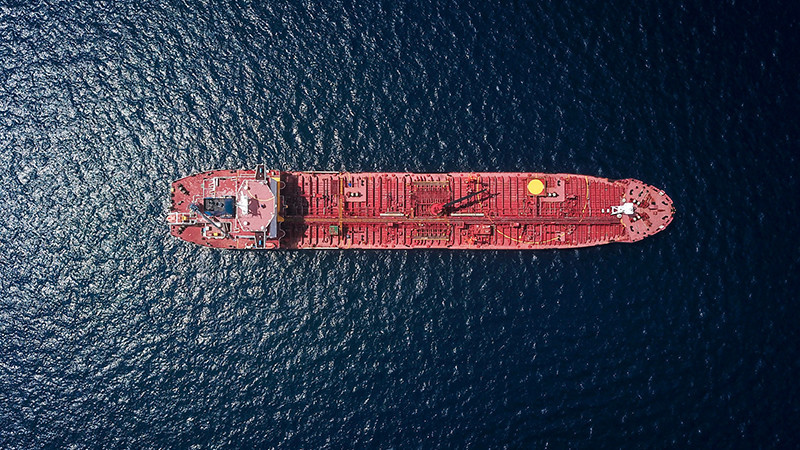
Founded in 2008 as an engineering initiative, PGE Tugs today operates one of Turkey’s most dynamic tugboat fleets, with six modern vessels.

From Financial Success to Strategic Investment
The company initially entered the maritime industry through ship electrical automation and outfitting projects, generating strong revenues and credibility. Leveraging this financial success, PGE invested in shipowning, first in dry bulk shipping. However, after carefully analyzing global freight market fluctuations, management made a strategic pivot: exiting dry bulk and channeling all resources into tugboat operations.
Today, PGE’s six tugboats serve both port operations and offshore towage, providing stable revenue streams through long-term contracts and project-based assignments.
Young and Dynamic Management
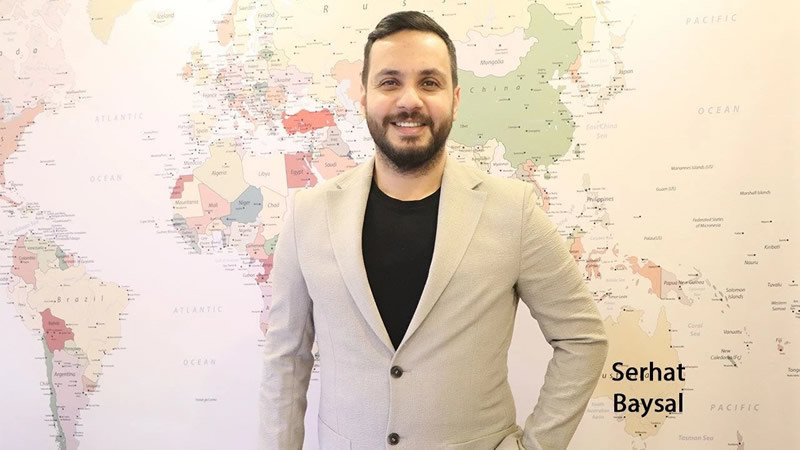
Chartering Manager Serhat Baysal highlights the company’s distinctive edge: a young, innovative management team. “We grew up within maritime culture and turned industry gaps into opportunities. By integrating communication technologies, social media, and modern reporting tools into every stage of operations, we blend traditional seamanship with modern management vision,” he said.
Sectoral Risks: The Berthing Crisis
One of the industry’s biggest challenges is the lack of secure berthing areas for tugboats, particularly in the Marmara region. Leaving million-dollar assets exposed at sea during harsh weather increases fuel costs and safety risks. PGE currently uses Maltepe Küçükyalı Harbor as a temporary solution but continues to seek more sheltered, strategically located facilities.
Strategic Positioning Along Turkey’s Coasts
PGE’s vision extends beyond Marmara. The company aims to establish a “Rapid Response Network” across Turkey’s coastline:
• Mediterranean & Çanakkale: Emergency response capacity in busy straits.
• Black Sea: Strategic standby points in Poyrazköy and İnebolu.
Instead of concentrating all six tugboats in Marmara, PGE plans to distribute them across 4–5 regions, negotiating berthing rights with local ports.
Expertise in Project Cargo and Salvage
PGE Tugs is not only a tugboat operator but also a specialist in complex engineering-driven operations:
• Heavy Cargo Transport (2024): In partnership with Hareket Crane, the company managed the month-long transport of giant cranes between Ambarlı and Tekirdağ ports.
• Kefken Salvage Operation: Following the grounding of a gypsum-loaded vessel, PGE coordinated a 45-day consortium effort to refloat the ship, discharge cargo, safely dispose of fuel and oil, and prevent marine pollution.
Concordat: A Strategic Restructuring Move
In February 2025, PGE entered concordat proceedings—a restructuring mechanism under state protection. Baysal stresses this was not bankruptcy but a deliberate safeguard for the company’s future. Surprisingly, business volume doubled during the process, with one group company already emerging successfully and others expected to follow within months.
Legacy of Engineering, Vision of Technology
PGE’s operational drive stems from its engineering roots. At Gemak Shipyard, the company completed the installation of an MSC container vessel’s scrubber system in just 45 days—a task normally requiring 90. Looking ahead, PGE plans investments in crane barges, professional diving equipment, and wreck removal projects, combining engineering expertise with operational courage.