
Malta and Greece Oppose Russian Oil Ban
The European Union’s plan to replace the price cap on Russian oil with a full ban on maritime services has met opposition from Malta and Greece.
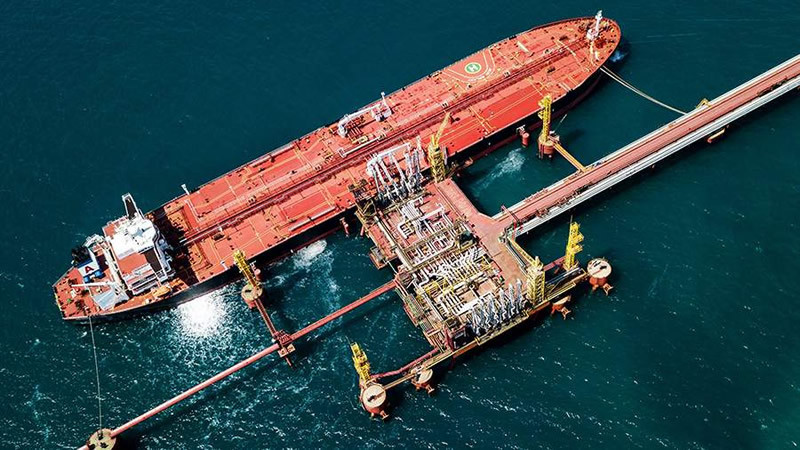

According to sources speaking to Bloomberg, both countries expressed concerns that such a move could harm Europe’s shipping industry and drive energy prices higher.
Debate on the 20th Sanctions Package
At the EU ambassadors’ meeting on February 9, where the 20th sanctions package was discussed, representatives from Malta and Greece voiced their objections to the new restrictions. They argued that replacing the current price cap with a comprehensive ban on shipping services would negatively affect Europe’s maritime sector. Athens and Valletta also warned that the change could trigger a fresh rise in global energy prices.
Clarification Demanded on Port Sanctions and Vessel Sales
Continuing their objections, Malta and Greece requested clarification from the EU regarding potential port sanctions linked to the transfer of Russian oil. The two countries also asked for detailed information on proposals to tighten controls over ship sellers. If adopted, the change would mean that European companies could be completely prohibited from providing essential insurance and shipping services for Russian oil, regardless of the product’s price.
Western Shipping Firms in the Crosshairs
The idea of replacing the price cap with a full trade ban has been under discussion among G7 countries and the EU since December 2025. According to Reuters, the main goal of this initiative is to end the role of Western shipping companies based in Greece, Cyprus, and Malta in Russian oil exports. Currently, the price cap for Russian oil is scheduled to be lowered to $44.1 per barrel as of February 1, 2026.
Beyond Oil: Wider Scope of the 20th Package
The EU’s 20th sanctions package goes beyond oil transportation. The draft proposal includes restrictions on imports of Russian metals such as iridium, rhodium, platinum, and copper, as well as chemicals, rubber, and ammonia. The package also contains an export restriction list valued at more than €360 million.