

Iran Says Strait of Hormuz Security Depends on US Decisions
Iran’s Foreign Ministry spokesperson Esmaeil Baghaei said any agreement on the Strait of Hormuz must safeguard Iran’s national interests and legal rights, while calling on the US to lift sanctions and its naval blockade.

Iranian Foreign Ministry spokesperson Esmaeil Baghaei answered journalists’ questions during his weekly press conference.
Commenting on the latest midterm elections in the United States, Baghaei said: “From Iran’s perspective, there is no distinction between the parties and groups within the US power structure. The historical experience of the past 60 years has shown continuous hostility from both political camps. US officials must understand this message: adhering to the policies of a genocidal regime and engaging in military aggression against Iran not only undermines regional security, the global economy and international norms, but also imposes heavy and irreversible costs on American society and the US administration.”
“Reaching an agreement in the Persian Gulf depends on the US making a wise decision”
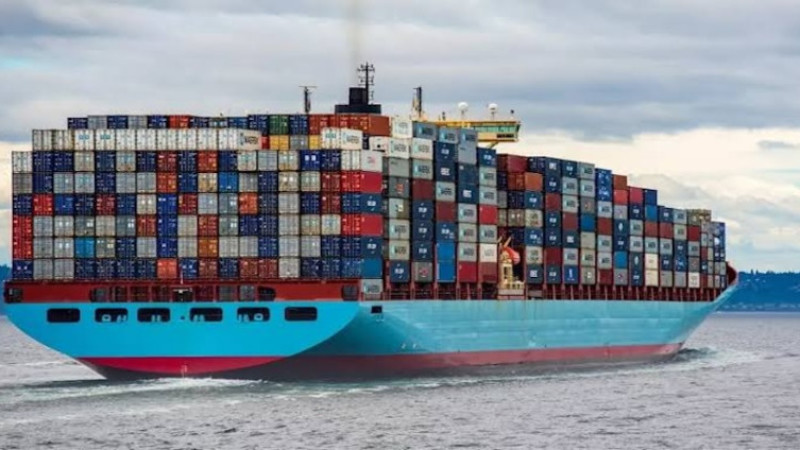
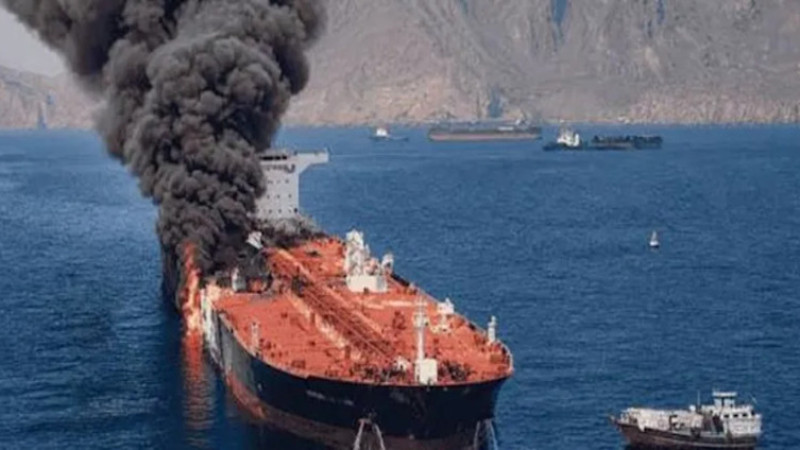
Baghaei described Iran’s proposal to reopen the Strait of Hormuz as a “logical, direct and time-limited proposal”.
“Reaching an agreement in the Persian Gulf and making progress in the field of security depend on the United States making a wise decision and understanding the sentiments of its own society. Iran’s plan remains on the table as the most logical, practical and structured roadmap. This plan clearly demonstrates that restoring security in the world's energy lifelines requires genuine political will from the other side to overcome the deadlock caused by aggressive actions,” he said.
“Inspection in Bushehr proves that cooperation is continuing”
Baghaei said Iran had not suspended its nuclear commitments, but added that attacks by the US and Israel on Iranian facilities had “prevented the normal implementation of safeguards inspections”.
“The Board of Governors and the Director General of the International Atomic Energy Agency (IAEA) have failed to fulfil their legal obligations by adopting positions that ignore responsibility for the attacks on Iran’s facilities and the unlawful actions involved. Professional communication between Iran’s mission in Vienna and the Agency continues. The latest inspection carried out at the Bushehr Nuclear Power Plant is evidence that this cooperation, based on established arrangements, is continuing,” the Iranian spokesperson said.
“The US must understand that following Israel’s policies imposes heavy costs on American society”
Emphasising that the US should not pursue ideas aimed at regime change in Iran, Baghaei said: “The US administration must understand the consequences and serious repercussions that launching a war against us could have. Washington must recognise the extent to which aligning itself with the ambitions of a regime that commits genocide and pursues policies that provoke wars could create problems for the United States. US officials must understand that following Israel’s policies and its military aggression against Iran imposes heavy costs on American society and the country's ruling establishment.”
“Tehran will sign only an agreement that safeguards the national interests of the Iranian people”
Speaking about mediation efforts, Baghaei said: “Tehran will sign and implement only an agreement that fully safeguards the national interests and legal rights of the Iranian people. Any deviation from these legitimate rights would not only harm national interests but also undermine regional security. While expressing our appreciation for the efforts and constructive initiatives of the mediating countries, particularly Pakistan and Qatar, Iran has maintained continuous consultations and communication with both countries.”
“Recent instability is a direct result of aggressive actions by the US and the Zionist regime”
Baghaei said that no process could begin without meeting the conditions of lifting the naval blockade, ending the war, releasing frozen assets and removing sanctions.
“All these points had previously been accepted by the Americans under the 14-point Islamabad Agreement. However, Washington subsequently backtracked on its commitments,” he said.
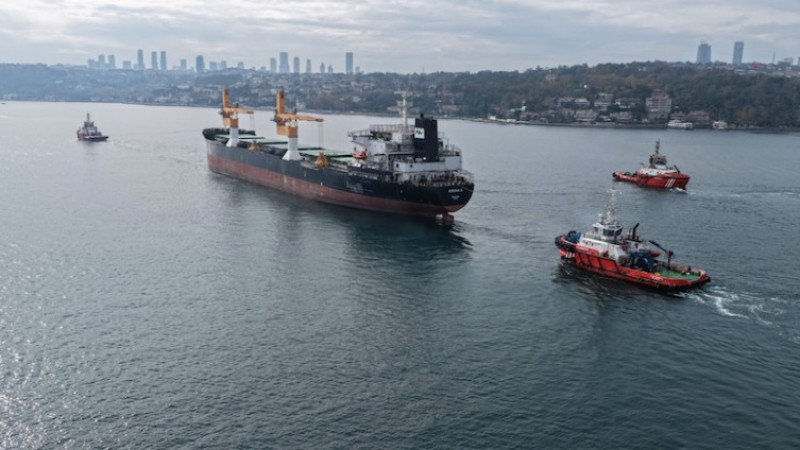
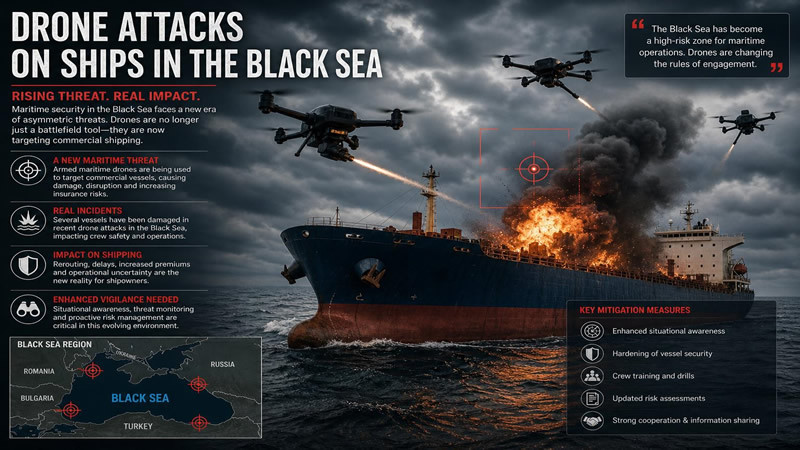
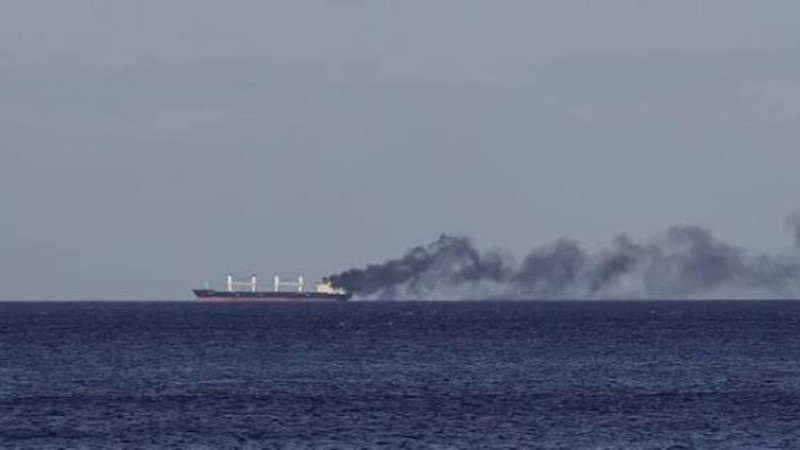
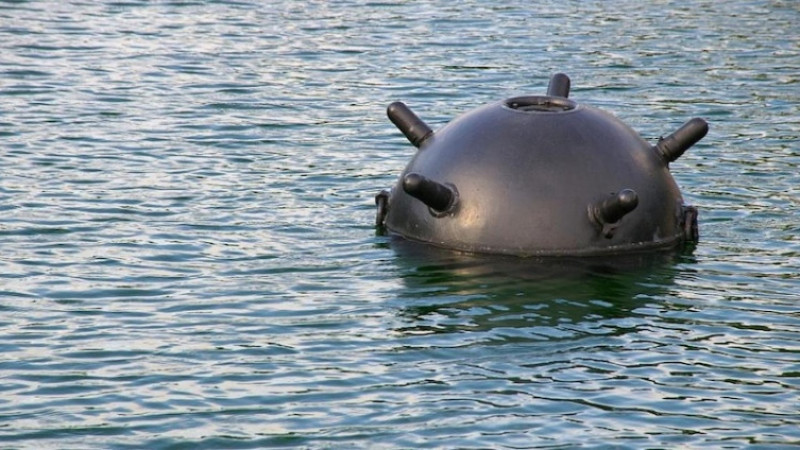
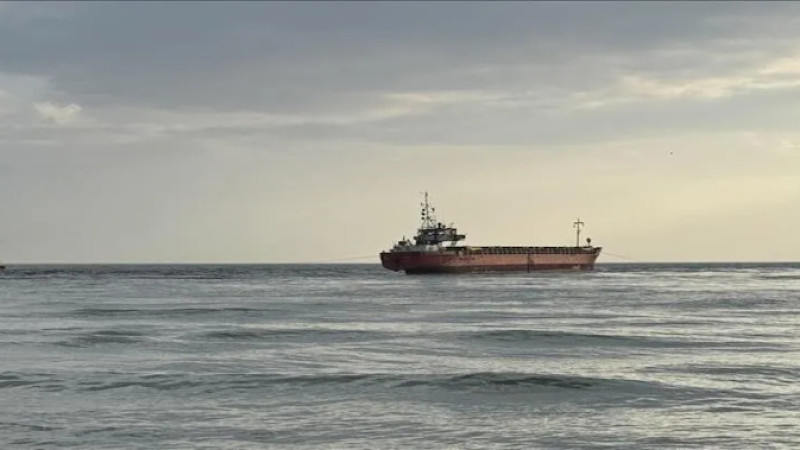
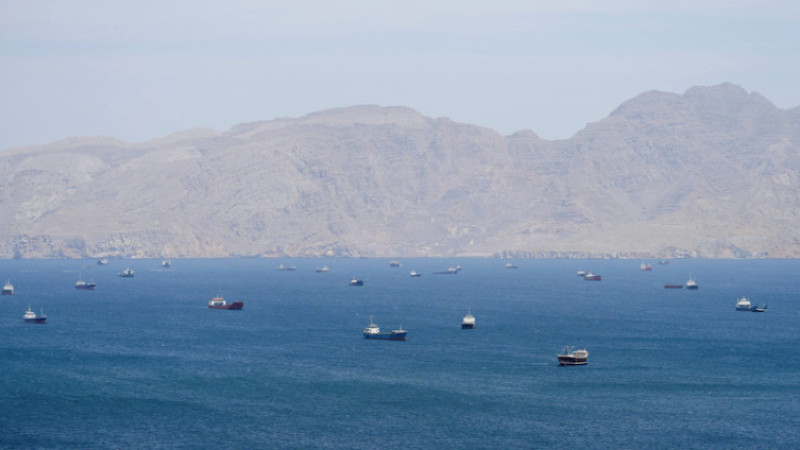
Stating that Tehran’s position on the security of the Strait of Hormuz was clear, Baghaei said: “The Strait of Hormuz has always been a safe waterway, and the recent instability is a direct result of the interventionist and aggressive actions of the US and the Zionist regime. In order to ensure their own security and safety, all marine vessels and ships passing through the region must coordinate with the relevant Iranian authorities.”
Referring to US Secretary of State Marco Rubio’s description of some of Tehran’s conditions as “excessive and ridiculous”, Baghaei asked: “Is it unreasonable for Iran to demand that the US lift its unlawful sanctions and naval blockade and that the war end on all fronts before negotiations begin?”
“Israel is preventing life-saving supplies from entering Gaza”
Drawing attention to the worsening humanitarian crisis in the Gaza Strip, Iranian Foreign Ministry spokesperson Baghaei said Palestinians were facing serious difficulties amid winter cold and a lack of access to minimum living conditions.
Baghaei said that under the agreement signed in Egypt’s Sharm el-Sheikh, around 600 humanitarian food aid trucks were supposed to enter the region daily. However, only approximately 120 to 122 trucks were reaching Gaza each day. He said this amount was insufficient to meet the needs of around two million Palestinian refugees.
The Iranian spokesperson stated that Israel continued to severely restrict the entry of life-saving supplies into the Gaza Strip following a war that had been ongoing for three years and had left much of the territory devastated.
“Support for the Houthis is based on a commitment to preserving regional stability”
Responding to a question about clashes between the Houthis and forces affiliated with Yemen’s government, Baghaei said Tehran’s support for the Houthis was “based on genuine concern, a rational perspective and a commitment to preserving regional stability”.
Stating that the crisis in Yemen could only be resolved through “intra-regional dialogue and the implementation of a roadmap agreed upon by the parties”, Baghaei said: “This requires an immediate end to attacks on infrastructure and residential areas, the lifting of the unjust blockade and respect for the Yemeni people's right to determine their own future.”