
A War Economy Era Begins Globally
Rising geopolitical tensions and the growing likelihood of armed conflicts are opening the door to a new period that will deeply affect the world economy.
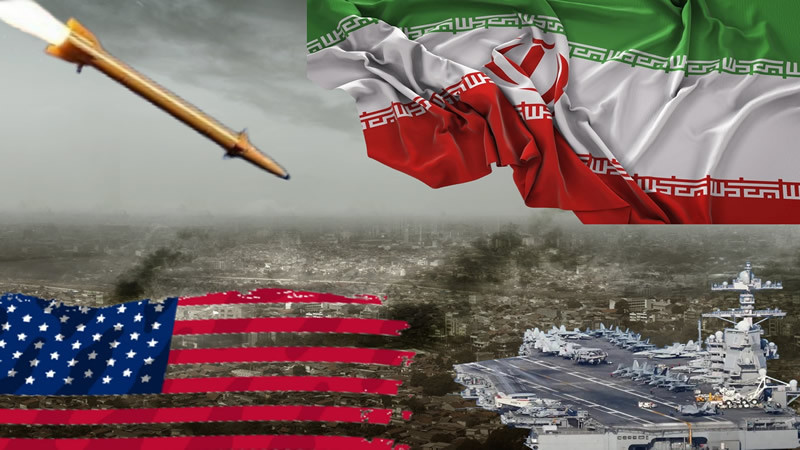

Risks concentrated around energy corridors and critical trade routes will reshape economic balances not only regionally but globally. With oil prices potentially surpassing $100, a significant slowdown in the global economy is expected. In other words, recession will emerge as a major risk, including in the West.
Dr. Hakan Çınar, President of the Association of Foreign Trade Leaders (DIŞYÖNDER), emphasized that wars today are not only military but also economic struggles. He noted:
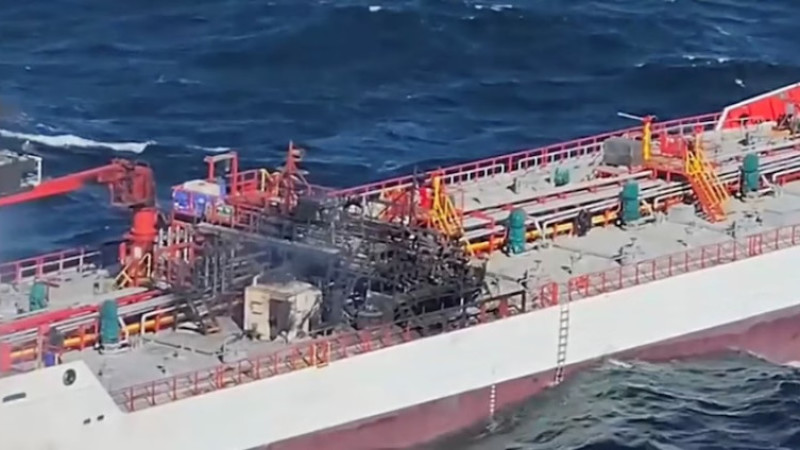
“The war in the Middle East will bring sharp increases in energy prices, especially oil and natural gas. The Strait of Hormuz, through which about 20% of global oil supply passes, being at risk will cause prices to rise rapidly. This increase in energy costs will push global inflation upward again, and central banks are likely to maintain tight monetary policies.”
Global Trade and Logistics Networks Under Pressure
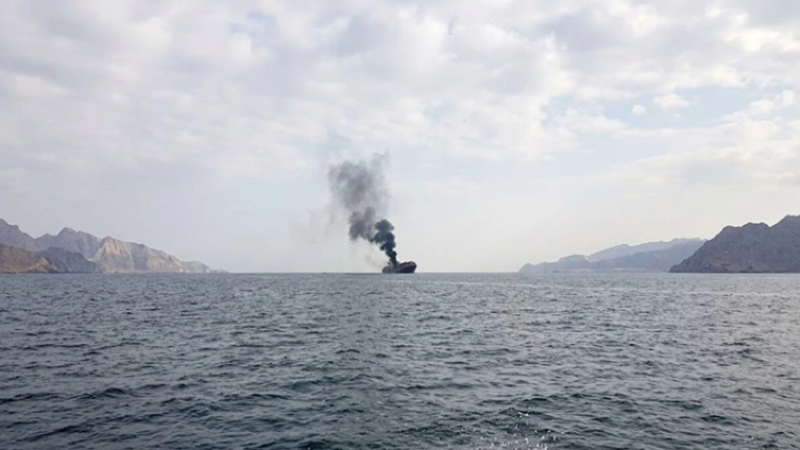
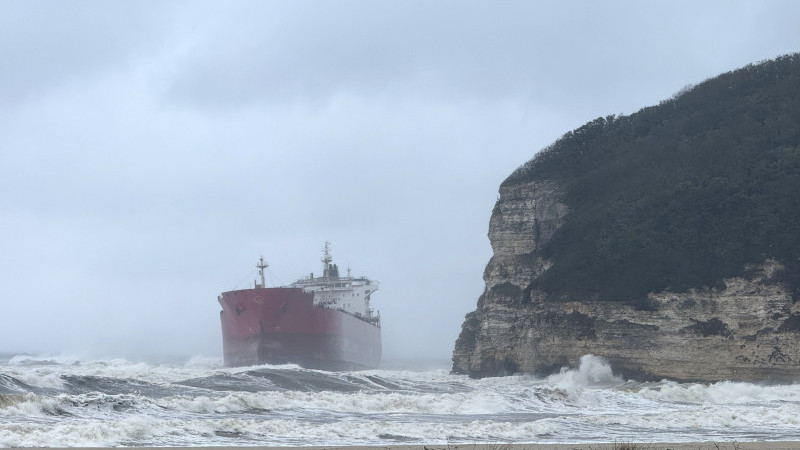
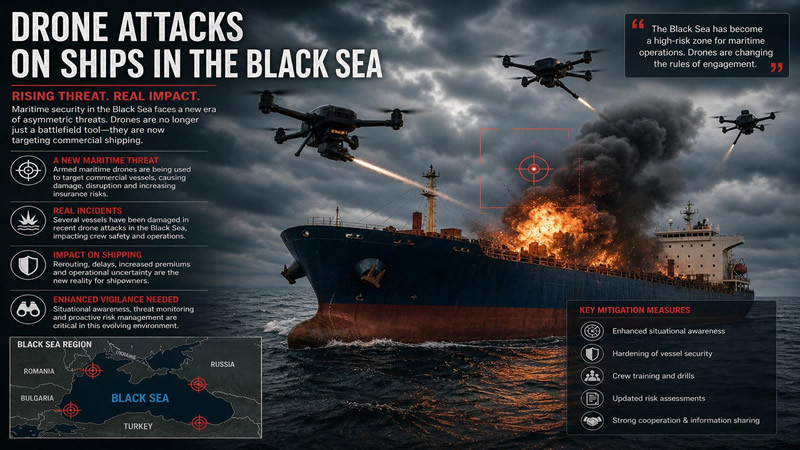
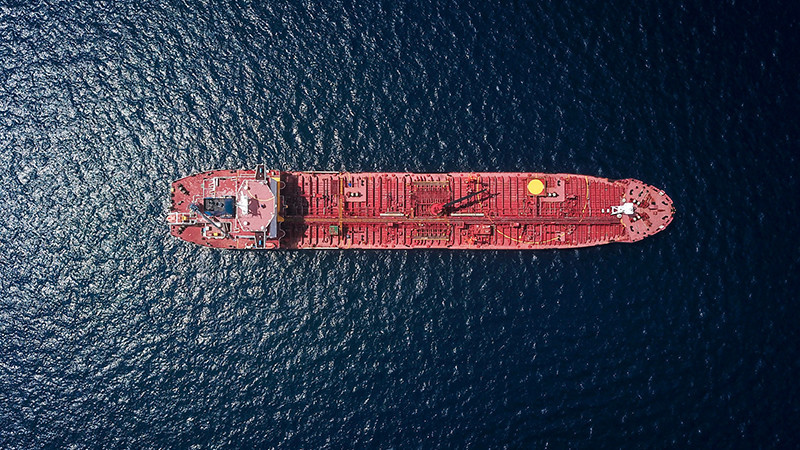
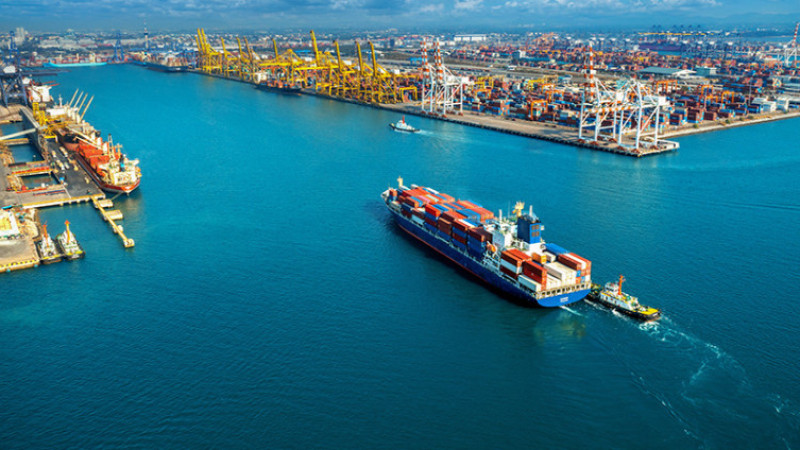
War conditions directly affect logistics, one of the most critical elements of international trade. Disruptions in maritime transport routes will lead to sharp increases in freight and insurance costs. If developments similar to those during the pandemic recur, transportation costs will multiply, and delivery times will inevitably lengthen.
In times of war, investor risk appetite declines, and demand for safe-haven assets rises. Gold and the U.S. dollar tend to appreciate, while currencies and stock markets of developing countries come under pressure.
For Turkey, the economic effects of war carry both risks and opportunities. Rising energy import costs and the current account deficit, along with inflation, exchange rate, and financing pressures, will intensify.
Exporters Must Be Cautious
The rise in oil prices will certainly increase our import costs. At the same time, our exports and exporters will be negatively affected. Higher energy costs will raise production expenses, while increased freight and insurance costs and longer delivery times will weaken competitiveness.
Sectors such as chemicals, plastics, and other energy-intensive industries will be hit harder. A possible recession in the European Union would further impact Turkish exports. However, if the war does not last long and ends quickly, the effects may not be prolonged. The hope, of course, is for a swift resolution; otherwise, Turkey’s fight against inflation, as well as its exports and economy, will suffer significant damage.
A New Economic Order Is Emerging
Dr. Hakan Çınar concluded his assessment with the following remarks:
“Today, wars are won not only on the battlefield but also in the economy. Countries that control energy, manage logistics, and sustain production will be the winners of the new era. For Turkey, positioning itself correctly in this process is critically important to turn risks into opportunities.”
Global war scenarios create severe short-term shocks in the economy, while in the long term they establish new trade balances and power centers. In this process, countries’ economic resilience, strategic planning capacity, and production strength will be decisive.