

Economist Michael Roberts on the Long-Term Effects of War with Iran
Joint U.S. and Israeli attacks on Iran triggered a 9% surge in crude oil prices, reaching their highest level in eight months.
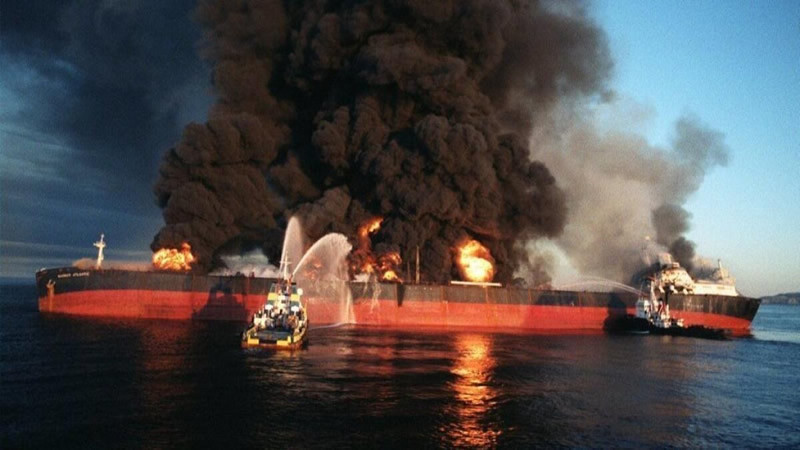

Economist Michael Roberts warned that potential disruptions in the Strait of Hormuz and attacks on energy facilities could push global inflation to 4%. Following the strikes, oil prices rose by 9%, approaching $73 per barrel.
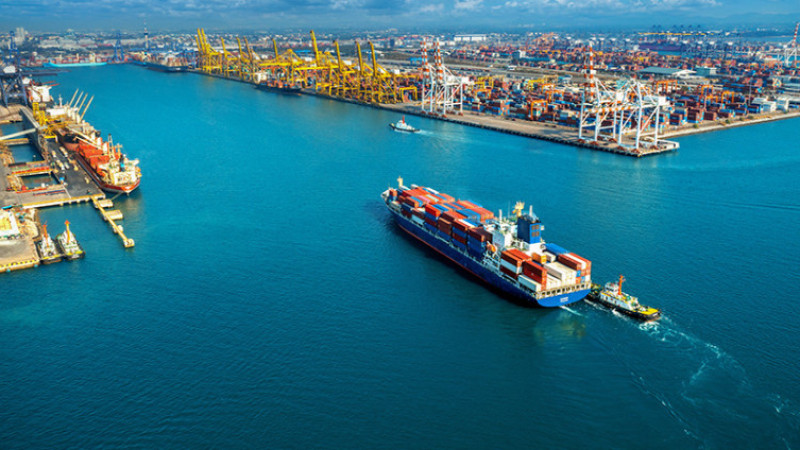
This increase marked the highest level in eight months. The risk of closure of the Strait of Hormuz—a vital passage through which about one-fifth of global oil shipments and significant amounts of natural gas transit—has unsettled markets. Although Tehran insists the strait remains open, shipping companies are rerouting vessels and insurance premiums have spiked.
“OPEC+ production boost falls short”
OPEC+ decided to raise output by 206,000 barrels per day after a three-month pause. However, this fell well below earlier expectations of 411,000–548,000 barrels. Roberts noted in his blog that the move is unlikely to offset short-term supply disruptions. While crude prices are rising, they have not yet reached the post-pandemic peaks.
“Direct attacks on energy infrastructure could push prices into triple digits”
Roberts explained that two conditions would be necessary for oil prices to exceed $100 per barrel:
1. Significant and prolonged disruption of traffic through the Strait of Hormuz.
2. Missile or drone strikes directly targeting oil production facilities.
He emphasized that Middle Eastern facilities, including those in Iran, have so far been carefully protected from such attacks.
Despite slowing global economic growth and the transition to renewable energy, oil supply continues to outpace demand. Roberts projected that global oil inventories could rise by 3.1 million barrels per day by 2026. China, bolstered by strategic reserves, is better positioned to manage supply shocks, while Europe, Japan, and South Korea could face greater challenges if the conflict drags on.
“Iran’s situation is very different from Venezuela’s”
One factor tempering price increases is the reintroduction of Venezuelan oil into global supply chains, thanks to U.S. export licenses. Roberts argued that while the Trump administration may have hoped to topple Iran’s regime or force concessions through a short conflict, Iran is not Venezuela. He noted that U.S. and Israeli interventions in the Middle East historically lead to prolonged instability, and Iran’s leadership appears determined to retaliate.
“Prolonged conflict could intensify inflationary pressures”
Roberts warned that an extended war could keep oil prices elevated despite long-term supply-demand balance, fueling inflation in major economies. With U.S. consumer inflation already above the Federal Reserve’s 2% target, he cautioned:
“If the conflict continues, inflation could reach 4%. Rising energy prices act like a tax on consumption and investment, reducing economic growth.”
“Gold gains as a safe haven”
While U.S. financial markets remain relatively calm, gold prices have hit new highs, underscoring investor flight to safe assets during crises. Roberts added that the dollar’s strength against other currencies undermines claims of its declining dominance.
Finally, he noted that the U.S. and Israeli preemptive strike on Iran also serves as a test of resilience for the BRICS+ bloc.