
2025 in marine environmental protection: politics stall progress on net zero
Two MEPC meetings in 2025 were supposed to advance IMO’s climate agenda, but political opposition delayed adoption of the Net-Zero Framework.
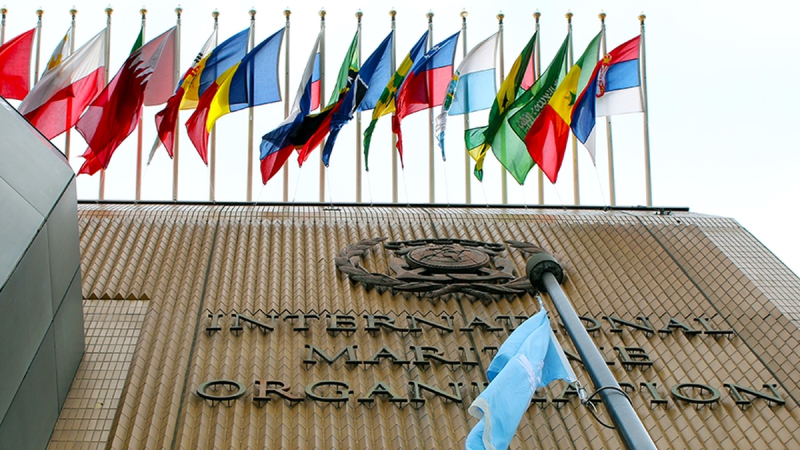

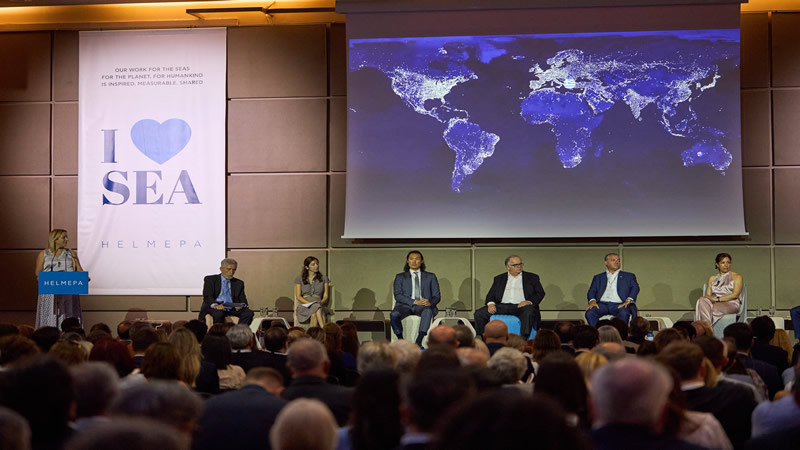
Expectations were high for the 2025 Marine Environment Protection Committee (MEPC) meetings.
IMO states advanced a flat-rate carbon levy, Greek shipowners anticipated an agreement on greenhouse gas (GHG) measures, and regulators set a timetable to finalise the IMO Net-Zero Framework and its measure at an extraordinary October session.
By year-end, the framework was incomplete and politically exposed.
Ahead of MEPC 83 in April, momentum built behind a levy on shipping emissions. Nearly 50 IMO member states backed a proposal to charge commercial vessels a flat fee for each tonne of carbon emitted, with proceeds flowing into a fund managed by IMO, and sought a Marpol amendment based on a carbon levy.
The Greek shipping community saw MEPC 83 as a chance to pursue a universal, rather than regional, GHG emissions-reduction regime. The Greek Ministry of Maritime Affairs and Insular Policy referred to “realistic mid-term measures” and reiterated a preference for IMO-led decarbonisation. The Union of Greek Shipowners reported confidence that IMO would approve a global maritime GHG emissions pricing mechanism to promote ’greener’ shipping.
MEPC 83 delivered only partial alignment with these expectations.
IMO advanced its global net-zero framework by dropping its consensus practice and moving to a vote on key elements, including the GHG fuel intensity trajectory, described as crucial for aligning international and regional regulations. Negotiations were shaped by regional blocs and took place without the United States at the table.
Intertanko, representing tanker interests, warned operators preparing for the FuelEU Maritime regulation could see their efforts undermined by “unrealistic targets” beyond what owners were working towards. Intertanko managing director Tim Wilkins criticised the exclusion of non-governmental organisations from closed-door talks, saying this “ignored the vital contribution the industry makes by bringing technical, practical and real-world analysis and information into the rule-making process”.
Attention then moved to the extraordinary MEPC session in October, where the revised Marpol Annex VI text incorporating the Net-Zero Framework was expected to be adopted. By mid-2025, concerns over the draft grew.
WinGD chief executive Dominik Schneiter said his company “bet on the wrong horse” and warned that, without clarity on rewards for sustainable fuels, LNG and paying to pollute looked like the best options.
ABS chairman and chief executive Christopher Wiernicki called LNG and biofuels “mission-critical to any success” and suggested IMO “needs to take a timeout” on the framework.
The political context around the October meeting deteriorated: US Secretaries Marco Rubio, Chris Wright and Sean Duffy, acting under President Trump, warned countries backing the framework of “port fees, sanctions, investigations, visa restrictions on crews and other penalties”.
On the eve of the vote, US President Trump posted on X that he was “outraged that the International Maritime Organization is voting in London this week to pass a global carbon tax”.
A positive vote would have led to the adoption of what was described as the first global tax on shipping emissions, with entry into force by March 2027, but the timetable was postponed.
The year closed with political division and concern over the incentives embedded in the framework.