


EU Sanctions 41 More Shadow Fleet Vessels
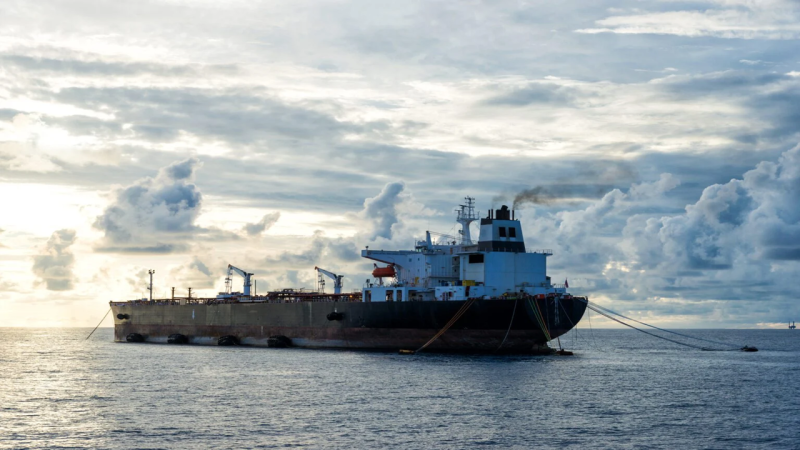
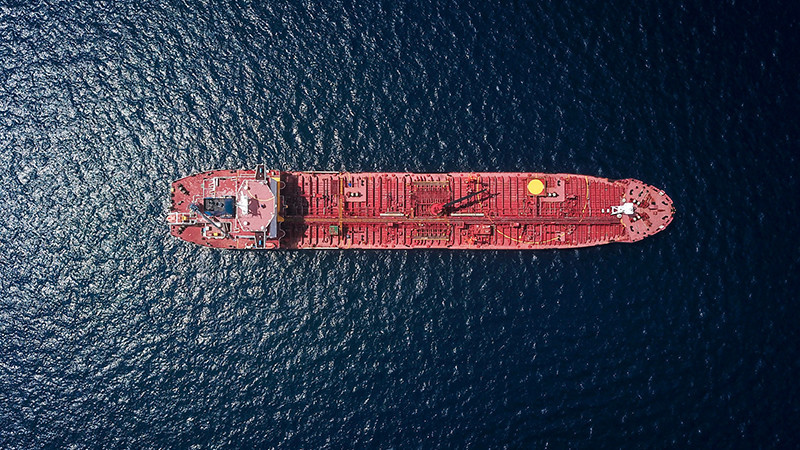
Under the European Union's 21st sanctions package, 41 more vessels belonging to Russia's shadow fleet were added to the sanctions list. This brings the total number of sanctioned vessels to 673.

European Union member states reached a political agreement today on the 21st sanctions package against Russia after weeks of negotiations. Following the agreement, the Council of the European Union formally adopted the sanctions package. Under what the Council described as the most comprehensive sanctions package of the past four years, a total of 218 individuals and entities were added to the sanctions list.
Under the new sanctions package, the assets of 94 banks and major financial institutions were frozen. In addition, transaction bans were imposed on 33 more Russian financial institutions. Four banks outside Russia and 14 cryptocurrency platforms identified as helping circumvent sanctions were also targeted. The EU also established a mechanism that will enable comprehensive transaction bans on third countries hosting crypto services used by Russia.
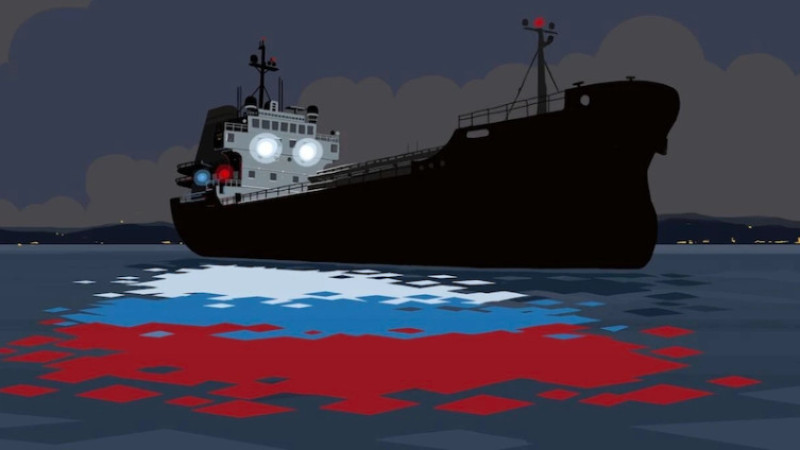
According to a statement by the Council of the European Union, 41 more vessels belonging to Russia’s "shadow fleet" were added to the sanctions list. This brings the total number of sanctioned vessels to 673. In addition, 19 individuals and entities from the oil sector, including three refineries in Russia and a major refinery in Belarus, were also sanctioned. The sanctions package also listed 56 individuals and entities linked to Russia’s defense industry. The price cap on Russian oil was also frozen for one year to guard against market shocks.
Kallas: "The most comprehensive package of the past four years"
EU High Representative for Foreign Affairs and Security Policy Kaja Kallas said the new package "contains comprehensive measures targeting the financial system, military-industrial complex, and energy sector that keep Russia’s war economy running."
Kallas said the 21st sanctions package strikes Russian President Vladimir Putin "where it hurts the most" and cuts off the financial resources Russia needs to continue the war, adding:
"This is the most comprehensive sanctions package of the past four years, with 218 individuals and entities listed. We have targeted more than 100 banks and crypto service providers that help sustain Moscow’s war, more than 40 shadow fleet vessels, and several oil refineries in Russia and Belarus. We are also responding to Russia’s relentless attacks against civilians, infrastructure, and cultural heritage. We have listed more than 50 entities operating in the military-industrial sector, including key actors involved in the production of Russia’s long-range unmanned aerial vehicles."
Strongest opposition came from Greece
The strongest opposition to the 21st sanctions package against Russia came from Greece. Dominating the European LNG shipping market, Greece requested changes to the Russian LNG ban, which is set to take effect in early January 2027, seeking a broad exemption that would allow it to continue transporting Russian LNG to markets outside the EU. After turbulent negotiations that threatened the entire package, an agreement was reached granting Greece a one-year exemption.