



Shipping Costs to Be Passed on to Consumers
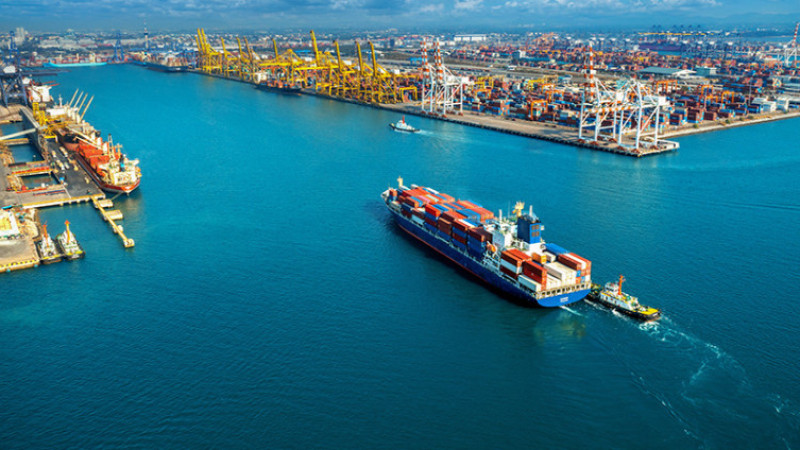
The escalating war in the Middle East and the collapse of the security corridor in the Red Sea have forced global trade giants to concede defeat.
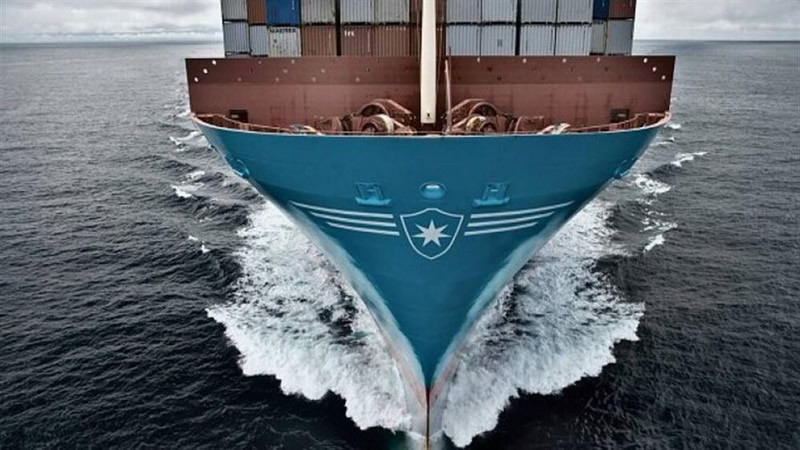

Maersk, one of the world’s largest container shipping companies, announced that rising fuel and operational costs will be passed on to customers.
A “cost crisis” has erupted in maritime transport, the lifeline of the global supply chain. Vincent Clerc, CEO of Denmark-based shipping giant Maersk, admitted that the bill for geopolitical risks in the region will ultimately be handed to consumers.
“OUR CONTRACTS INCLUDE PRICE CLAUSES”
Speaking to the BBC, Vincent Clerc stressed that fluctuations in fuel prices and the additional burden of longer routes due to the war will not be absorbed by shipping companies. He underlined that contractual mechanisms allow these costs to be directly transferred to customers (importers and exporters), stating:
“Whether fuel prices rise or fall, our contracts enable us to pass these changes on to customers. The ultimate outcome is that cost increases will be reflected in our clients, and eventually in consumers.”
SUPPLY CHAIN DISRUPTED BY WAR
According to Clerc, rising transportation costs create a domino effect impacting not only shipping companies but also industries from food to technology. Without a lasting diplomatic solution to the security crisis in the Red Sea and the Strait of Hormuz, temporary measures such as naval escorts by Western fleets will not be sufficient to reduce costs.
CALL FOR DIPLOMATIC CONSENSUS
Maersk’s CEO argued that the U.S., Israel, and Iran must reach an agreement to restore safety to global trade routes, emphasizing that free maritime passage is vital for the sustainability of the global economy.
Clerc warned that unless lasting peace is achieved, rising logistics costs will continue to fuel inflation.