

Rising Logistics Costs Will Challenge Exporters
Global trade is entering one of its most critical turning points in recent years. Increasing geopolitical tensions, rising energy prices, and sharp increases in international transportation costs are rapidly reshaping the cost structure of world trade.


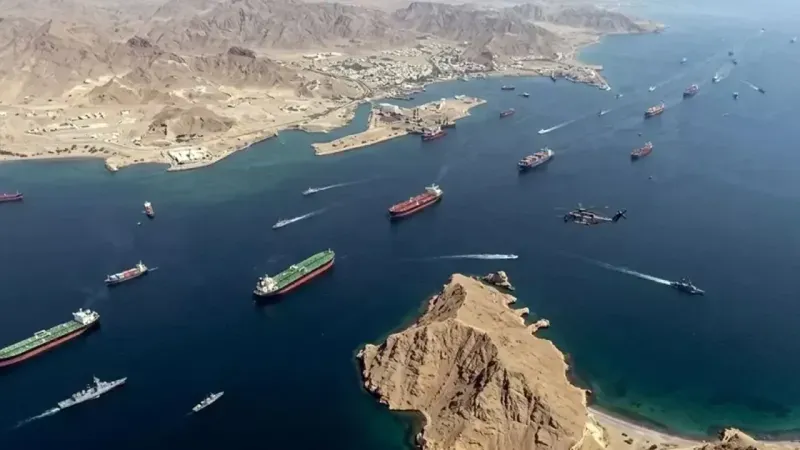
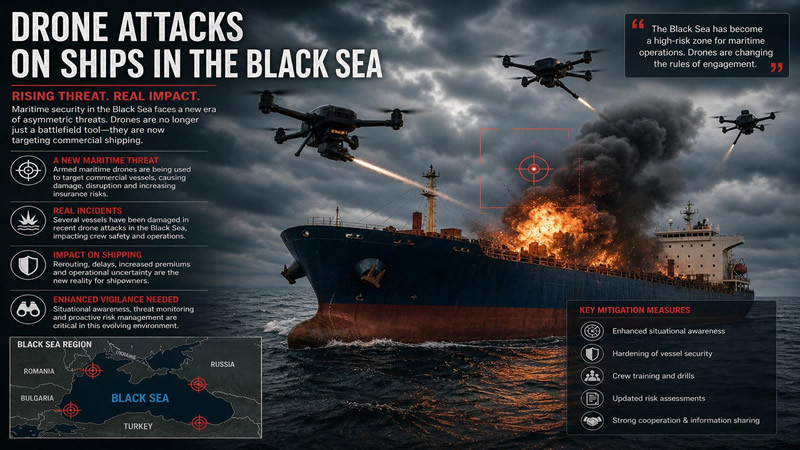
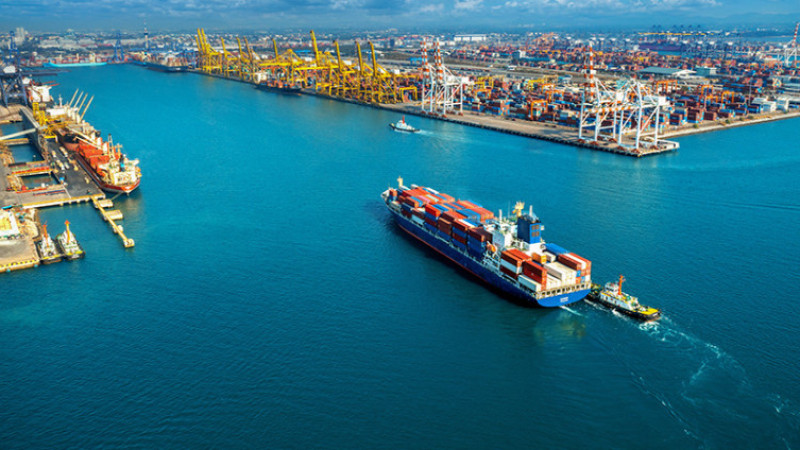
In particular, the surge in energy and freight prices is creating a new wave of pressure that directly affects exporters’ competitiveness. Dr. Hakan Çınar, President of Dışyönder (Association of Foreign Trade Leaders), emphasized that this new cost environment in global trade carries both significant risks and strategic opportunities for Turkey. Pointing out that ongoing wars have ushered in a new era, Çınar said: “The rise in energy prices affects not only fuel costs but also the entire production, transportation, and storage processes, placing considerable pressure on exporters’ competitiveness. Today, most of world trade is carried out through maritime transport. However, increasing security risks in critical sea trade routes have recently led to higher freight rates and significant increases in insurance costs. This situation raises costs especially in sectors dependent on energy and logistics. From Turkey’s perspective, carefully managing logistics costs is crucial to preserving exporters’ competitiveness. Volatility in energy prices and rising global transportation costs particularly affect SME-scale exporters more severely.” He warned that without precautionary measures, exporters face difficult times ahead.
With the Right Steps, Exporters Can Turn Crisis into Advantage
Çınar continued: “World trade is now shaped not only by production capacity but also by the ability to manage energy and logistics costs. Ongoing wars are forcing countries to rethink their trade strategies, and maps are being redrawn. Turkey, with its strong production infrastructure, strategic geographic location, and developing logistics network, can seize significant opportunities in this transformation process. However, this requires the development of alternative trade corridors and the rapid implementation of policies that will ease exporters’ cost pressures. In this process, Turkey must correctly leverage its strategic advantages—its strong geographic position between Europe, the Middle East, and Central Asia, its logistics infrastructure, and its production capacity—to turn them into opportunities. The transformation in global trade offers great potential to make our country a production and logistics hub during this period.”
He noted that last week, the Board of Directors held a meeting with Deputy Minister of Trade Mr. Mustafa Tuzcu, and added that Dışyönder closely monitors all developments in global trade, contributing to the development of policies that will preserve the competitiveness of Turkey’s foreign trade ecosystem. According to Çınar, in the coming period, energy prices, freight costs, and developments in global trade routes will continue to be the most decisive factors shaping the direction of world trade. Therefore, Turkey’s preparedness for this new era is critically important both for maintaining exporters’ competitiveness and for ensuring the sustainable growth of the national economy.