



China Strengthens Oil Reserves Against Middle East Risks
China’s surge in crude oil imports at the start of the year is seen as a strategic move to counter rising tensions in the Middle East and global supply risks.
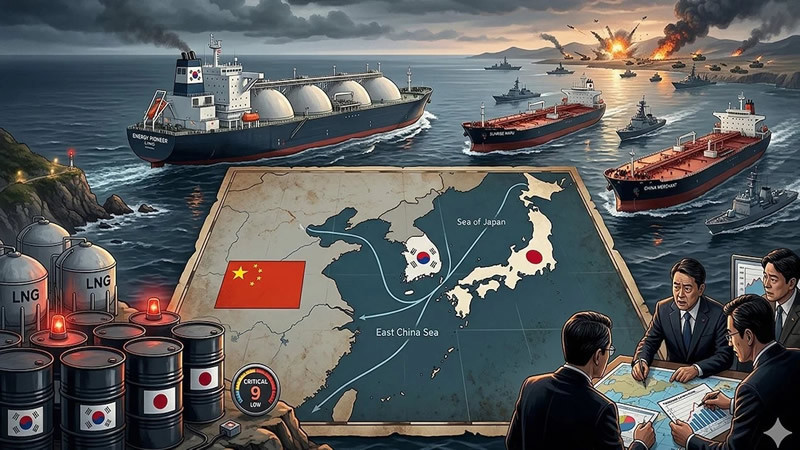

Analysts say Beijing’s reserves now provide a 120‑day shock shield, offering a strong buffer against potential supply disruptions.
Import Figures
According to customs data released Tuesday, China imported 96.93 million tons of crude oil in January and February, marking a 15.8% increase compared to the same period last year. Interestingly, the value of these imports in U.S. dollars fell by 5.2%.
Analyst Views
Chim Lee, senior analyst at the Economist Intelligence Unit, noted: “While the market was expecting U.S. strikes on Iran, China was stockpiling oil and gas earlier this year. This builds on the record‑strong stockpiling momentum we saw in 2025.”
Impact of Regional Conflict
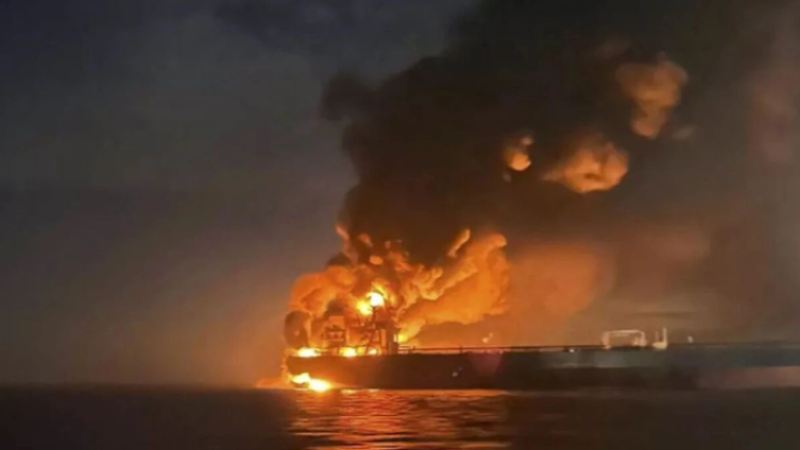
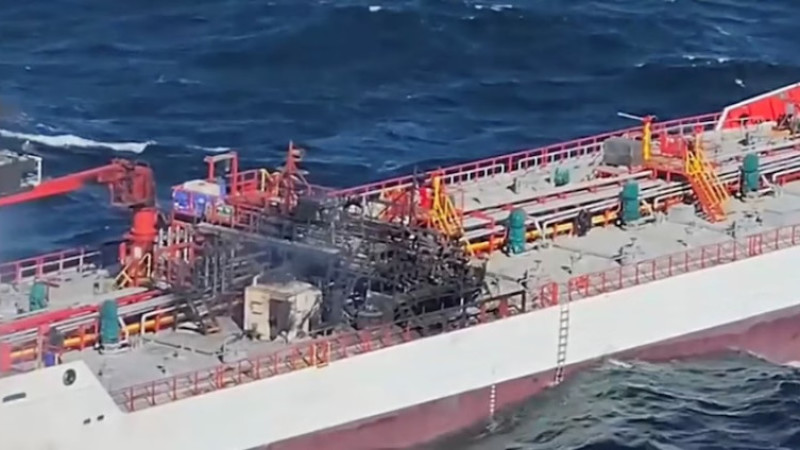
Since U.S.‑Israeli airstrikes began on February 28, commercial traffic through the Strait of Hormuz—a critical oil route handling about one‑fifth of global supply—has slowed dramatically. The escalating conflict has also forced major refineries in Saudi Arabia and Iraq to cut production.
Global Prices
Oil prices surged past $110 per barrel, though U.S. President Donald Trump’s comments suggesting the conflict may soon end cooled the rally. By Tuesday evening, Brent crude was trading around $91 per barrel (up 26%), while West Texas Intermediate rose 32% to above $88 per barrel.
China’s Strategic Reserves
Experts estimate China’s reserves could cover roughly 120 days of imports. Barclays Research analysts recently reported that more than 35% of China’s total oil consumption and about 12% of its natural gas consumption pass through the Strait of Hormuz. They added that China’s large strategic reserves could be released to cushion short‑term supply shocks and price spikes, buying time to secure supplies from outside the Gulf.
Outlook
Looking ahead, Chim Lee said: “We expect China to reduce oil and gas imports due to higher prices. In the meantime, the country will mitigate any price shocks through managed pricing of refined products and by leveraging commercial and operational stockpiles.”
Trump also threatened further strikes against Iran, warning on social media that if the country halted oil flows through the strait, it would be hit “twenty times harder than ever before.”