



Saudi Arabia Targets Doubling Overseas Oil Storage Capacity
Saudi Arabia is seeking access to strategic oil storage facilities abroad and plans to double its overseas capacity to strengthen supply security and reduce disruptions amid rising regional tensions.
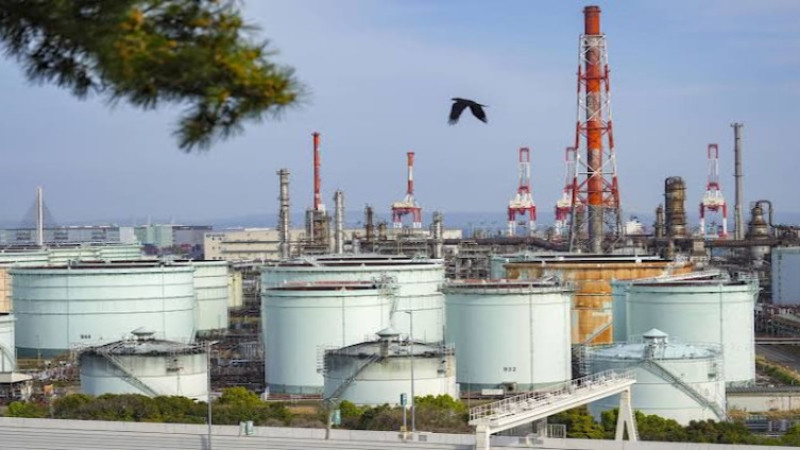

Saudi Arabia is in talks to secure access to strategic oil storage facilities abroad as it seeks to strengthen supply security and protect oil deliveries against potential disruptions. The kingdom aims to expand its existing storage capacity, particularly to support supplies to Asian markets.
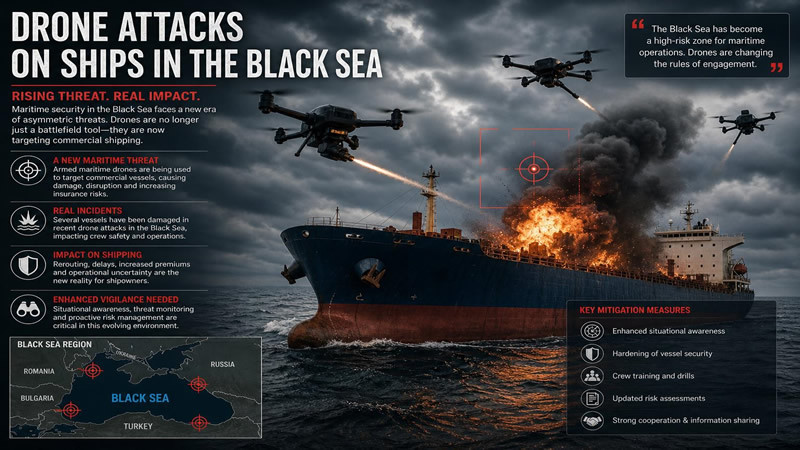
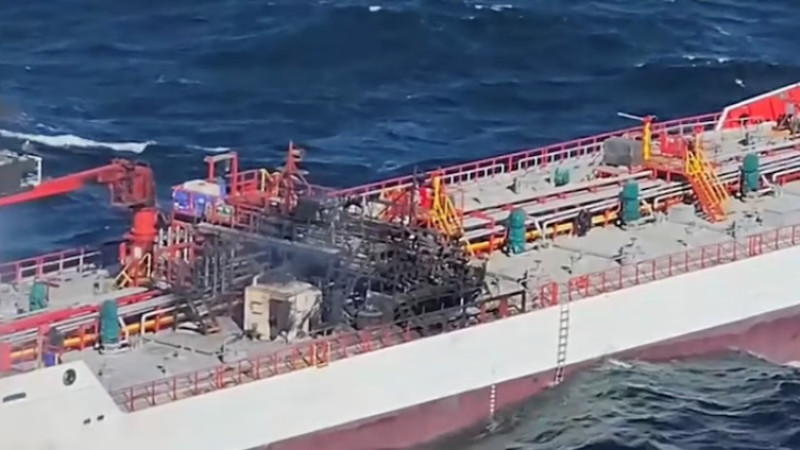
Attacks on energy infrastructure across the region have increased pressure on supply chains, highlighting the importance of alternative storage facilities and export routes. Drone strikes in September disrupted the country's most important oil pipeline for several days, exposing vulnerabilities in its energy infrastructure. More recently, attacks targeting an oil field and an airport also resulted in fatalities.
Amid these developments, oil prices have risen, prompting Saudi Arabia to accelerate efforts to reinforce its energy infrastructure and diversify export options.
The kingdom's energy company already maintains commercial oil storage facilities in South Korea, Japan, the Netherlands and Egypt. In addition to its existing facilities, the company plans to expand its overseas storage capabilities, particularly in Asia. The target is to double its overseas storage capacity, although no timeline or details of its current capacity have been disclosed.
Saudi Arabia has also begun engineering studies to increase the daily capacity of its crude oil pipeline system, which transports oil from the Persian Gulf in the east to the Red Sea in the west, from 7 million barrels to 10 million barrels.
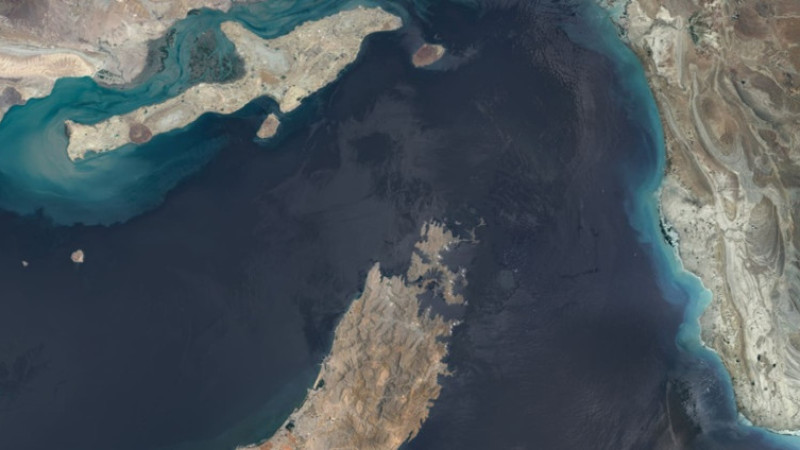
The Strait of Hormuz, the Red Sea-Bab el-Mandeb corridor and export connections to the Mediterranean are among the key routes used for the kingdom's oil shipments. The planned investments aim to reduce the impact of regional crises on oil production and exports.