



Global Trade Unlocks: 800 Ships Await Passage
The ceasefire declared in the sixth week of clashes—triggered by U.S. and Israeli operations against Iran—has set the stage for the resumption of maritime traffic in the Strait of Hormuz.
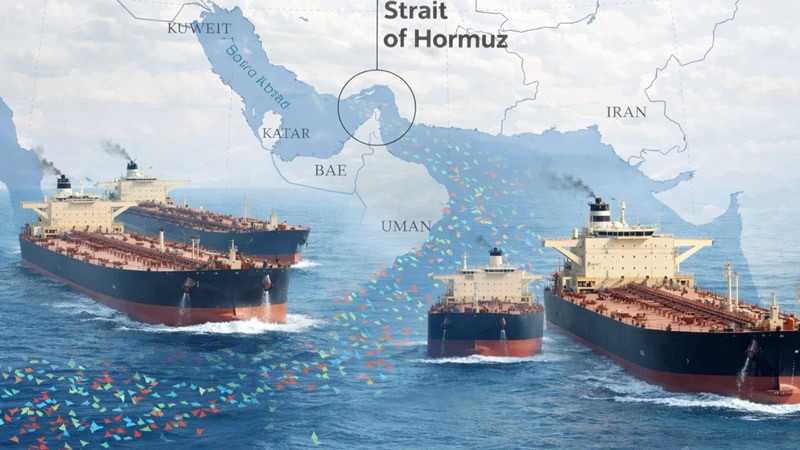

This strait, a critical artery for global energy trade, currently has around 800 ships waiting, most of them oil and fuel tankers. The conflict, which began on February 28, had turned the region into a flashpoint, but with both sides agreeing to a temporary truce, gradual reopening of the strait is now expected.
U.S. President Donald Trump announced that attacks on Iran would be suspended for two weeks, while Iranian Foreign Minister Abbas Araghchi stated that vessel passages would be secured under the control of the Iranian military. Trump also pledged U.S. support to ease congestion in the strait.
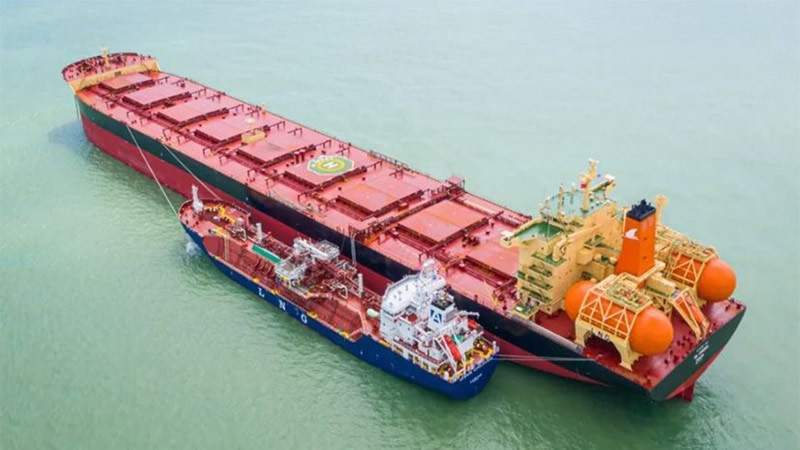
According to Bloomberg News, of the ships waiting, 426 are crude oil and clean fuel tankers, along with 34 LPG carriers and 19 LNG carriers. The remainder consists of bulk carriers and container ships. Most vessels are clustered off the coasts of Dubai and Khor Fakkan.
Industry representatives are reviewing the details of the agreement, while organizations such as the Japan Shipowners’ Association are closely monitoring developments. Experts caution that even with the reopening, flows are unlikely to return to full normalcy quickly. Shipments are expected to resume gradually, and both insurers and crews must be convinced that risks have sufficiently diminished.