



E-commerce Seeks Alternatives to the Gulf!
The Gulf was once Turkish e-commerce’s growth engine, but the crisis exposed its fragility. Survival now depends on spreading across multiple markets.
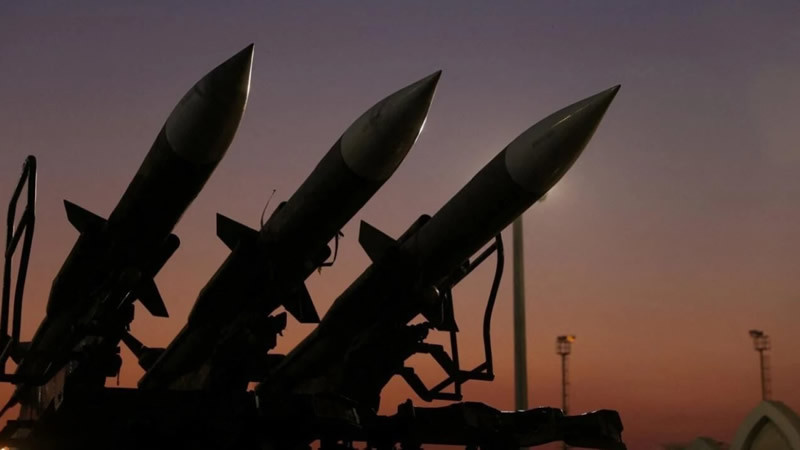

The Iran war has locked down Dubai. With Iran’s missile and drone attacks bringing trade to a standstill, and many businesspeople beginning to leave Dubai, the market has taken a hit. Turkish companies engaged in e-commerce with the region are now searching for new markets. TOBB E-commerce Council Member and Ticimax Founder & CEO Cenk Çiğdemli stated that digital trade with Dubai has suffered a major blow: “Our e-commerce firms have started looking for different markets. Our companies are cautious toward Gulf countries, including Dubai, and the search for alternative markets has accelerated. We are seeing a stronger focus on the European market.”
WAR FORCES STRATEGY CHANGE
Çiğdemli reminded that a significant number of Turkish e-commerce firms had structured their marketing campaigns and operations around the Gulf: “The war is forcing a change in this strategy. For companies and producers working with the region, it is now time to look at new areas and new opportunities. In Turkey’s e-commerce exports, the Gulf—especially Dubai, the United Arab Emirates, and Saudi Arabia—had been premium growth markets in recent years due to high basket averages, demand for luxury and fast-moving consumer goods, and the strong perception of Turkish brands. But geopolitical risks in the region have lengthened logistics times, increased insurance costs, created fluctuations in demand, and raised platform risks. Turkish e-commerce companies have begun to realize the danger of dependence on a single market.”
PRIORITY MARKETS
Providing information on new market searches, Çiğdemli said: “European countries are leading the way for Turkish companies. North Africa, Turkic republics, and especially Eastern Europe are currently on the sector’s agenda as new markets. We were already present in these markets, but now investments and marketing budgets are shifting there.”
PLATFORMS MORE FRAGILE
Çiğdemli also noted that e-commerce companies relying on platforms become more fragile during crises:
“Because in times of crisis, platforms manage their own risks, not yours. Algorithms change, your visibility drops, logistics and payment infrastructures may be disrupted. While you think you are selling, you are actually dependent on an intermediary layer that controls your access to customers. That’s why building your own website and direct customer relationships (D2C) is no longer a choice but a strategic necessity. Platforms accelerate growth in normal times, but in crises they create loss of control. Since many variables—from visibility to logistics—are managed outside of you, risk increases. Establishing your own website allows you to build direct relationships with customers and makes you more resilient against such fluctuations.”