


Adil Karaismailoğlu: "Turkey, the New Route in Global Maritime Transport"
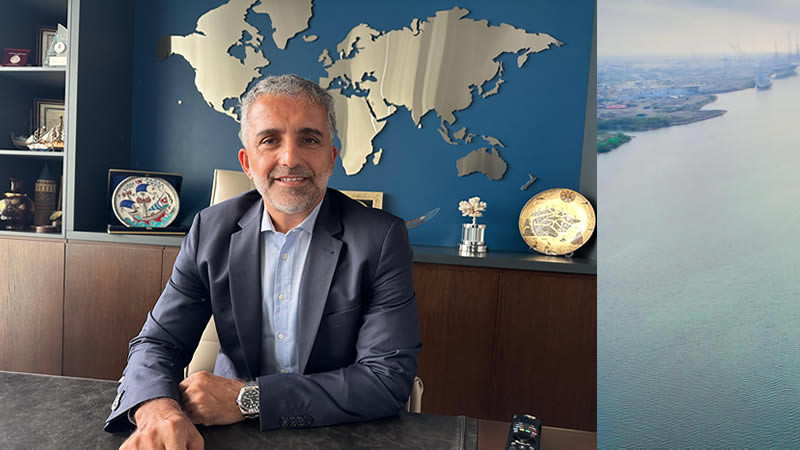
In his article published in Star newspaper, Adil Karaismailoğlu emphasized Turkey’s position as a rising global power in maritime transport, noting that the country’s capacity in the Blue Homeland is shaping a new route in world trade.

With 60% of exports carried out by sea and the Turkish-owned merchant fleet approaching the world’s top 10, Turkey has established itself as a decisive player in the global supply chain.
The Republic of Turkey’s vision of becoming a global power is directly linked to the strategic importance it places on maritime affairs. The foundations of this vision were laid in 1926 with the enactment of the Cabotage Law, symbolizing full independence at sea. This landmark legislation became a turning point in the development of Turkish maritime and remains the cornerstone of today’s achievements.
National Breakthrough Strengthening the Maritime Sector
Over the past 24 years, Turkey has remained faithful to the spirit of the Cabotage Law, giving the maritime sector the importance it deserves. With national resources, an infrastructure capable of meeting global demands has been built. From shipbuilding to maintenance and repair, from technological production to employment, wide-ranging initiatives have strengthened the sector both economically and strategically.
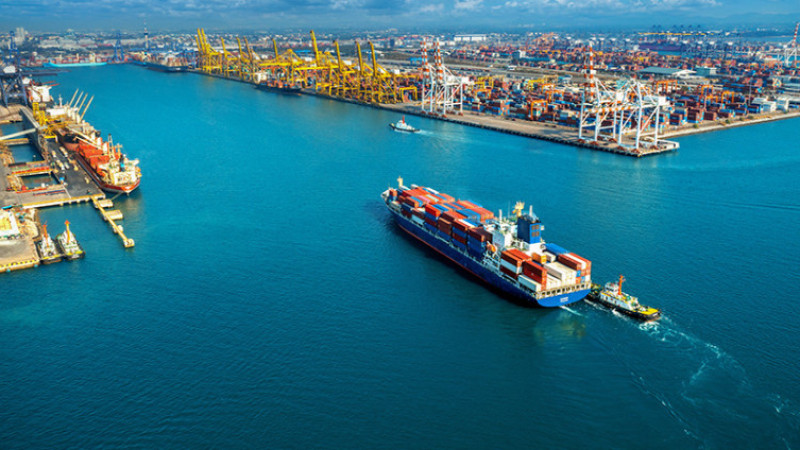
Today, Turkey boasts 217 ports and 85 modern shipyards, forming a massive maritime industry. Shipyard capacity has surpassed 5 million deadweight tons, while the Turkish-owned merchant fleet reached 52.7 million deadweight tons by the end of 2025, bringing the country closer to its goal of entering the world’s top 10. In the same period, cargo handled at ports increased by 7.6% to 49.8 million tons, setting a new record.
Strategic Moves in Global Corridors
Turkey not only protects its own maritime rights but also represents the common interests of the Turkic world on international platforms. The Middle Corridor stretching from Beijing to London and the Zangezur Corridor are tangible reflections of this vision. Additionally, the Development Road project, linking the Indian Ocean and the Persian Gulf to the Mediterranean, Europe, the Black Sea, and the Caucasus via Iraq with a 1,200-kilometer railway and highway network, stands out as a key to regional prosperity.
Blue Homeland: The Engine of the Economy
Today, nearly 80% of global trade is conducted by sea. With its growing logistics capacity, Turkey has become an indispensable link in the global supply chain. By the end of 2025, exports exceeded $273.4 billion, the highest level in the Republic’s history, with 60% of this trade carried out by sea—underscoring the vital economic importance of maritime power.
From Regional Leadership to Global Impact
All these developments demonstrate that Turkey has moved beyond being merely a regional actor in maritime transport, becoming a decisive global force. This rise in maritime trade is not only the result of economic investments but also a reflection of Turkey’s international stance and its determination to safeguard its rights at sea.
Source: Star